
Japanese Films to see
171 movies 4 tv shows


Movie
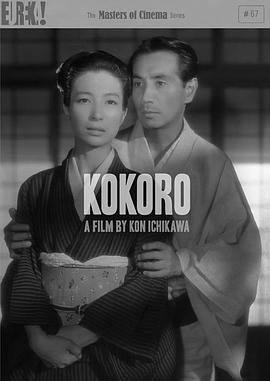
Kokoro (1955) WikiData IMDb TMDB Douban
こころ
director:
Kon Ichikawa
actor:
Masayuki Mori
/
Michiyo Aratama
…
other title:
心
/
こころ
…
In the dying months of the Meiji era, a sympathetic student befriends a married couple, but soon realizes they share a curiously strained relationship stemming from an unknown incident in their past.
Movie
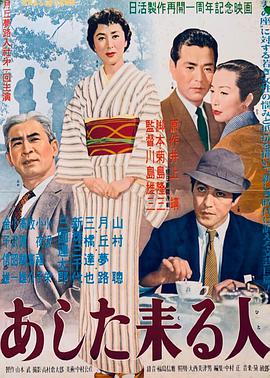
Till We Meet Again (1955) IMDb TMDB Douban
あした来る人
other title:
あした来る人
/
明日来的人
…
Jiro Sone sacrifices all comfort to devote himself to research. Young housewife Yachiyo is disappointed with her husband Kappei, who is more attracted to mountain climbing and another girl. When Yachiyo’s father is introduced to Jiro, all of their lives become intertwined...
Movie
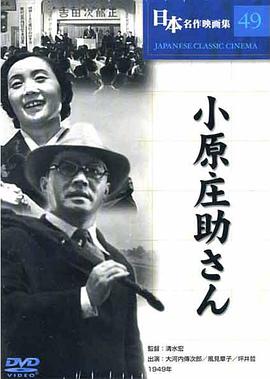
Mr. Shosuke Ohara (1949) WikiData IMDb TMDB Douban
小原庄助さん
other title:
小原庄助先生
/
小原庄助さん
…
Saheita, the final heir of a once rich and respectable family, can't refuse the many villagers that come to him for favours and money, even though he is on the brink of bankruptcy. Around town he is better known by his nickname Mr. Shosuke Ohara.
Movie
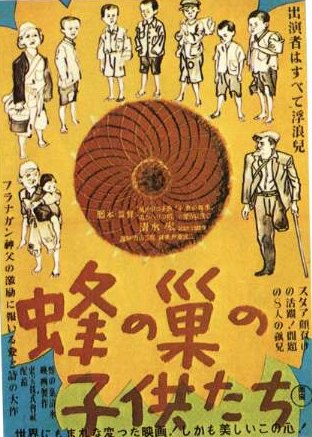
Children of the Beehive (1948) WikiData IMDb TMDB Douban
蜂の巣の子供たち
director:
清水宏
actor:
岛村修作
/
夏木雅子
…
other title:
蜂巢的孩子们
/
蜂の巣の子供たち
…
A group of war orphans initially seen scratching out an existence through black market work, as they are taken under the wing of a nameless soldier, just repatriated after the war.
Movie
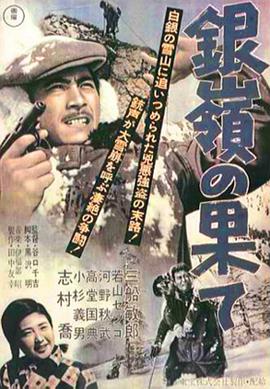
Snow Trail (1947) WikiData IMDb TMDB Douban
銀嶺の果て
other title:
银岭之巅
/
銀嶺の果て
…
Three bank robbers, Eijima, Nojiri, and Takasugi, flee the police and escape into the mountains. At an inn high in the Japanese Alps, Eijima and Nojiri encounter a young woman and her father, as well as Honda, a mountaineer. The inn folk do not realize their guests are wanted criminals and the visitors are treated with great kindness. Honda volunteers to lead them over the mountains, but Eijima's paranoia endangers all of them as they make the perilous trip.

Movie
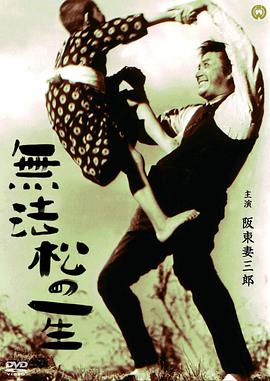
Rikugun (1944) WikiData IMDb TMDB Douban
陸軍
director:
Keisuke Kinoshita
actor:
Kinuyo Tanaka
/
Chishū Ryū
…
other title:
陆军
/
陸軍
…
Though plagued by ill health all his life, a young Japanese man is obligated to fulfill his family's longstanding military tradition.
Movie
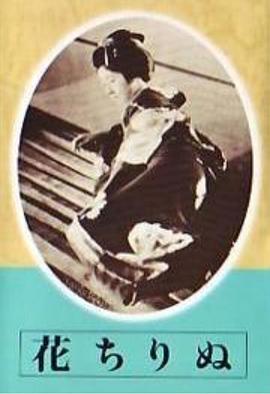
Fallen Blossoms (1938) WikiData IMDb TMDB Douban
花ちりぬ
director:
石田民三/Tamizo Ishida
actor:
花井蘭子
/
水上玲子
…
other title:
花落
/
花ちりぬ
…
Set against the backdrop of an imperial victory in the civil war leading up to the Meiji Restoration, Fallen Blossoms tells the story of the sorrows of women in a geisha house in Kyoto by recounting the relationships of its inhabitants.
Alexander Jacoby & Johan Nordström wrote:
Ishida’s original and brilliant film tells history as ‘her story’. Against the backdrop of a victory for the imperial forces in the civil war leading up to the Meiji Restoration, Ishida recounts the relationships among the inhabitants of a Kyoto geisha house, producing what has been described by Noël Burch as “one of the most remarkable community portraits ever filmed”. The film is set completely inside the house, with only female characters ever seen on screen.
For Burch, “the exclusion from the scene of men, patrons or soldiers, is a meaningful corollary of the exclusion of Japanese women from the history of the country”. Ishida narrates his story using an imaginative cinematic style in which shots are almost never repeated. The narrative, Burch notes, evokes Chekhov, but he judges its “combination of a restricted, unified setting and continual renewal of the imagery” to be unparalleled in conventional narrative cinema.
Alexander Jacoby & Johan Nordström wrote:
Ishida’s original and brilliant film tells history as ‘her story’. Against the backdrop of a victory for the imperial forces in the civil war leading up to the Meiji Restoration, Ishida recounts the relationships among the inhabitants of a Kyoto geisha house, producing what has been described by Noël Burch as “one of the most remarkable community portraits ever filmed”. The film is set completely inside the house, with only female characters ever seen on screen.
For Burch, “the exclusion from the scene of men, patrons or soldiers, is a meaningful corollary of the exclusion of Japanese women from the history of the country”. Ishida narrates his story using an imaginative cinematic style in which shots are almost never repeated. The narrative, Burch notes, evokes Chekhov, but he judges its “combination of a restricted, unified setting and continual renewal of the imagery” to be unparalleled in conventional narrative cinema.
Movie
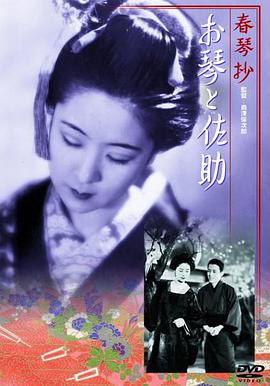
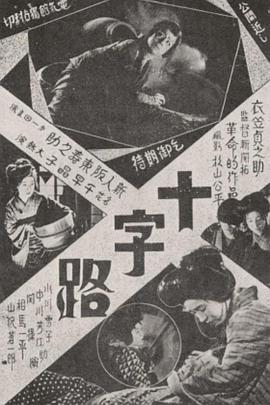
Crossroads (1928) WikiData IMDb TMDB Douban
十字路
other title:
十字路
/
Shadows of the Yoshiwara
…
After falling in love with a courtesan, Rikiya is blinded by ash during a fight in a brothel. Believing the blindness permanent and his opponent dead, Rikiya goes back home to his sister. Okiku, desperate to protect her brother who thinks himself a murderer, wants to sacrifice herself for him and become a prostitute to pay for Rikiya's treatment.
Movie
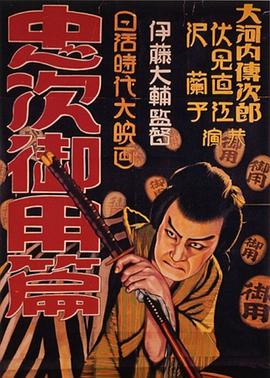
Chuji's Travel Diary: The Chuji Patrol Episode (1927) WikiData IMDb TMDB Douban
忠次旅日記 第3部「御用篇」
director:
Daisuke Itō
actor:
大河内伝次郎
other title:
忠次旅日记
/
忠次旅日記 第3部「御用篇」
…
The Japanese equivalent of penny dreadfuls glorifying Jesse James, A Diary of Chuji’s Travels gives a unique gloss to the tale of Chuji Kunisada, the legendary bakuto (or gambler, the precursors to modern-day yakuza). One of the two remaining segments of Ito’s original four-hour trilogy, it depicts Chuji’s attempt to save the geisha Oshina, a rebellion against the rigid social structure of Edo Japan. With socialist overtones, it’s a passionate artifact of early Japanese film.
Movie
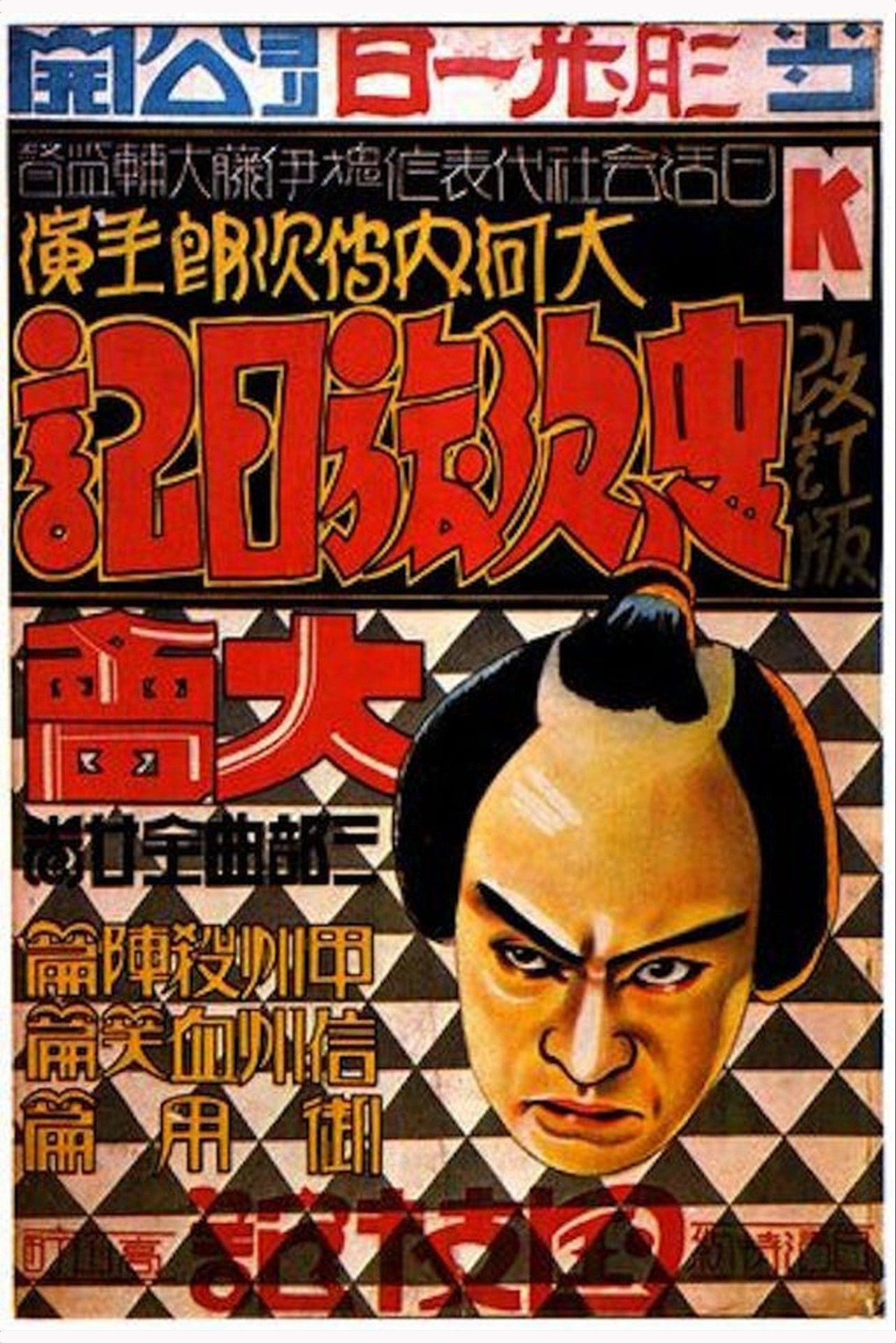
Chuji's Travel Diary: Story of Bloody Shinshu (1927) WikiData IMDb TMDB
忠次旅日記 信州血笑篇
director:
Daisuke Itō
actor:
Denjirō Ōkōchi
/
Seinosuke Sakamoto
…
other title:
忠次旅日記 信州血笑篇
/
Chuji’s Travel Diary II: Story of Bloody Shinshu
A Diary of Chuji's Travels is a silent Japanese jidaigeki made in 1927 starring Denjirō Ōkōchi and directed by Daisuke Itō. It was originally released in three parts, all of which were long thought to be lost until portions of the second part and much of the third part were discovered and restored in 1991. Since the film had once been voted in a 1959 Kinema Junpō poll as the best Japanese film of all time, its discovery was significant. At the time of its release, Itō was the leader of a new style of samurai films that featured outlaw heroes and fast-cut sword fighting scenes.
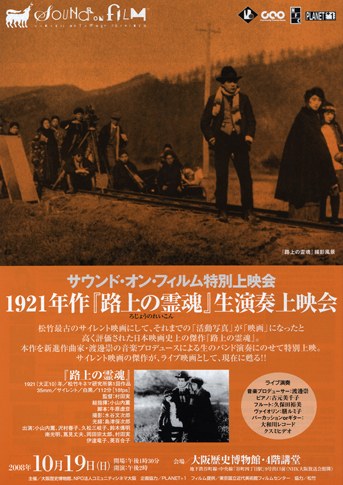
Movie
Souls on the Road (1921) WikiData IMDb TMDB Douban
路上の霊魂
director:
村田实
actor:
Kaoru Osanai
other title:
路上的灵魂
/
路上の霊魂
…
A small town boy dreams of being a famous fiddler; Meanwhile, two convicts escape from prison and hide in the woods.