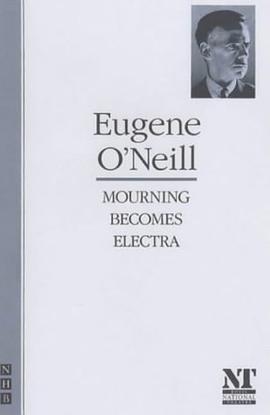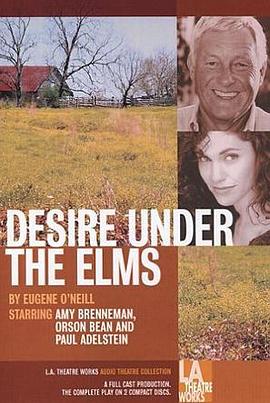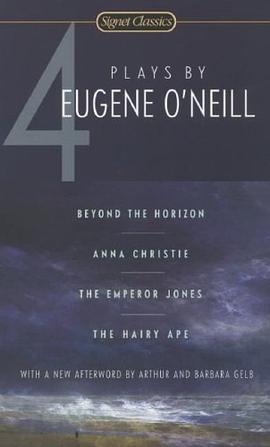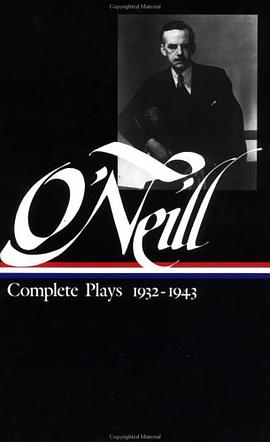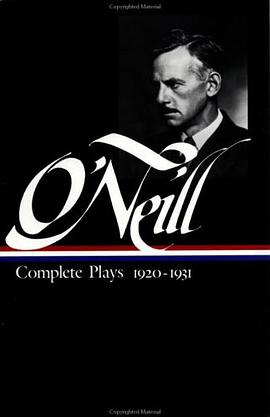
Winner of four Pulitzer Prizes and the first American dramatist to receive a Nobel Prize, Eugene O'Neill filled his plays with rich characterization and innovative language, taking the outcasts and renegades of society and depicting their Olympian struggles with themselves-and with destiny.
The playwright’s first full-length drama and winner of the Pulitzer Prize (1920) concerns two brothers in love with the same woman. Robert Mayo, who had dreamed of adventure "beyond the horizon," remains behind and weds the lady in question, while his brother, Andrew, goes to sea. In the end, embittered and dying, Robert dreams of the escape that lies "beyond the horizon."
author:
尤金·格拉斯通·奥尼尔
publishing house:
Yale University Press
2002
- 3
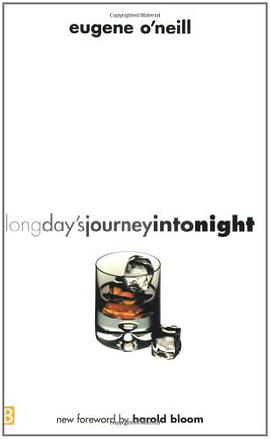
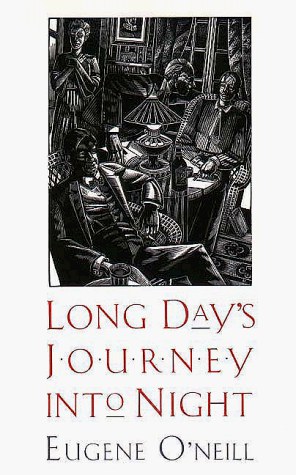
Eugene O'Neill's autobiographical play Long Day's Journey into Night is regarded as his finest work. First published by Yale University Press in 1956, it won the Pulitzer Prize in 1957 and has since sold more than one million copies. This edition, which includes a new foreword by Harold Bloom, coincides with a new production of the play starring Brian Dennehy, which opens in Chicago in January 2002 and in New York in April.
author:
尤金·格拉斯通·奥尼尔
publishing house:
Yale University Press
1962
- 9
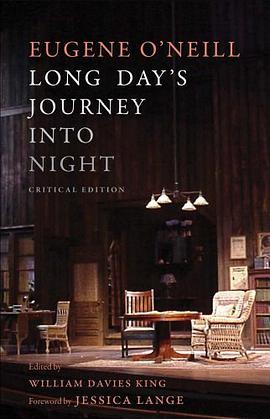
Eugene O'Neill's autobiographical play Long Day's Journey into Night is regarded as his finest work. First published by Yale University Press in 1956, it won the Pulitzer Prize in 1957 and has since sold more than one million copies. This edition, which includes a new foreword by Harold Bloom, coincides with a new production of the play starring Brian Dennehy, which opens in Chicago in January 2002 and in New York in April.