directed by Adrian Maben and published by NHK, Arte broadcasted as part of NHK Special series in 2006 - English, Japanese Multilanguage narrationalso known as Mao, Une Histoire Chinoise Mao Zedong Mou Taku-tou Mao, Eine Chinesische Geschichte
Information
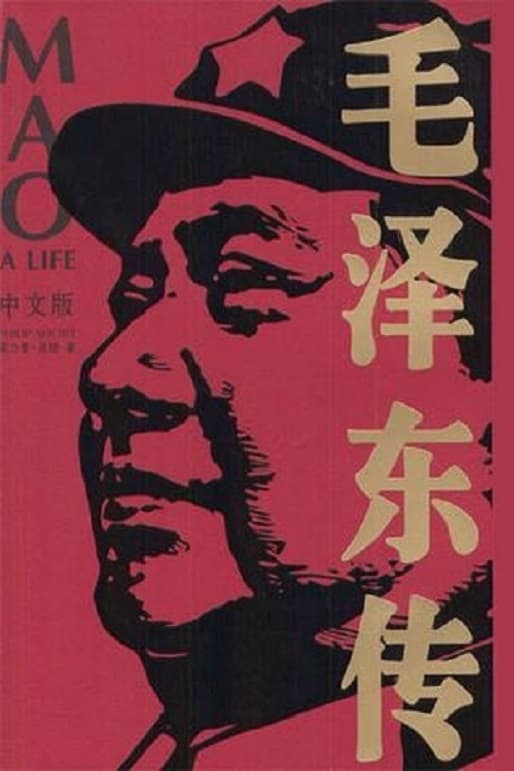
The 4 films of this series are drawn from the biography written by Philip Short entitled Mao Tsé-Toung (Mao a life) published in the USA, in England, in France and even in China.
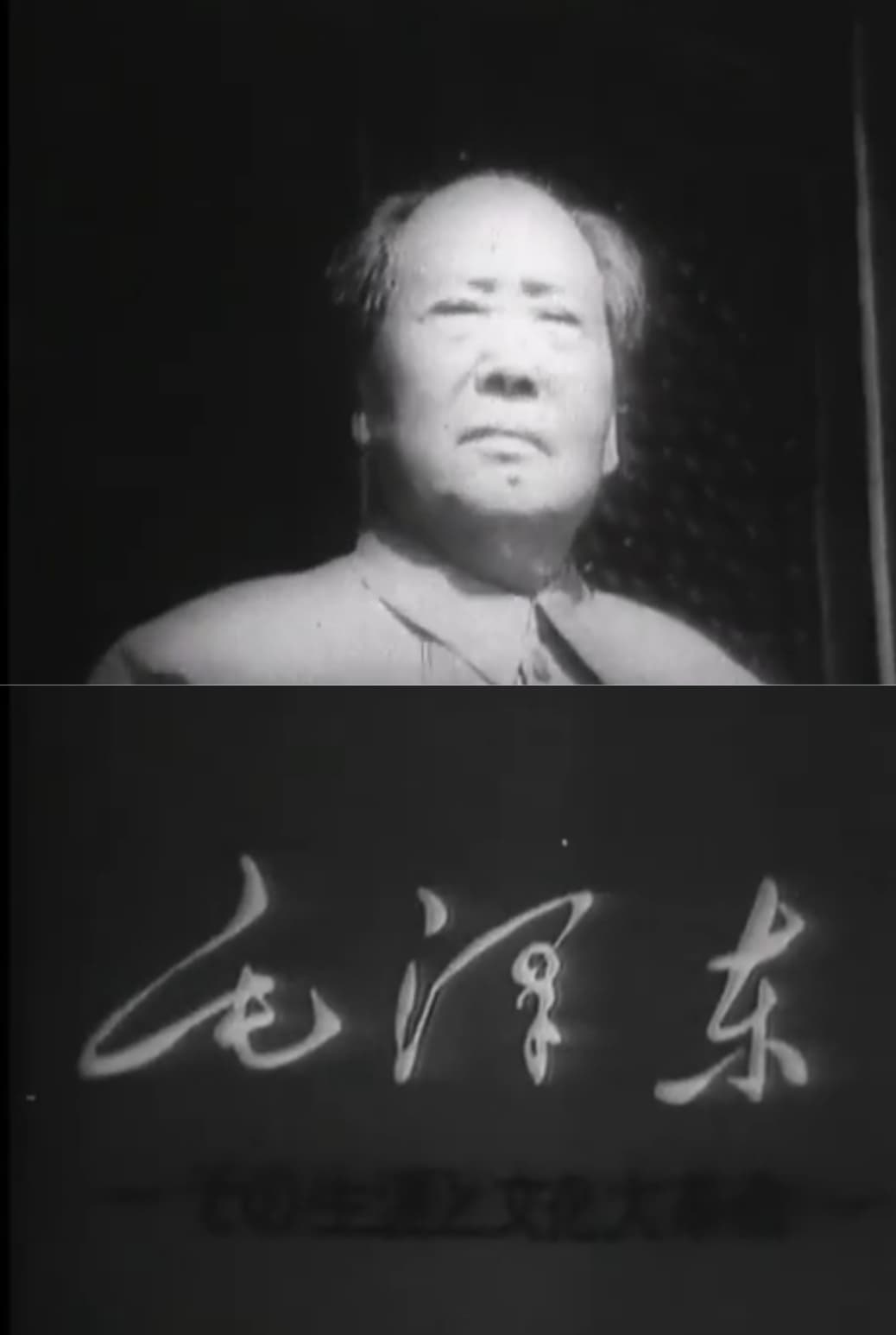
Mao Tse tung (other way of writing: Mao Zedong) belongs to the coining/shaping figures of world history. He was a military strategist, politician, visionary, philosopher and a poet at the same time; an ingenious manipulator and propagandist, who understood to connect sensuality, politics and revolution. It has, like Richard Nixon said, "moved a nation and changed the world". Mao governed China 30 years long. He was admired in the own country like a God, in the western world, he was the concept of the enemy to some and modern redeemer and revolutionary idol to those waving their "Mao Bible" in their hands. Until today the icon of Mao has not fallen in China, despite all changes even to a red capitalism. 25 years after his death, combining previously classified Chinese archived material with unseen documents, biographic studies and interviews with people having known Mao himself, a comprehensive film biography in four parts could be created.
01. Against the Tide - Mao's Early Years (1893-1945)
Part one of the series describes Mao Zedong's youth, his formative adulthood, and his consolidation of power. Archival photographs from Mao's childhood and education, film clips from his campaigns against foreign invaders and Chinese nationalists, and lavish, government-produced reconstructions of the Long March detail the drama of those decades. Film excerpts featuring Jiang Qing, the actress who became Mao's fifth wife and a feared political force, highlight the Chairman's unpredictable life choices.
02. The Sorcerer's Apprentice - Founding the Republic (1945-1959)
Part two of the series China: Through Mao's Eyes explores the formation of the People's Republic of China, its complicated relationship with the Soviet Union, and events that prefaced the Cultural Revolution. Footage documenting the turmoil of the Anti-Rightist movement, China's role in the Korean War, and the misnamed Great Leap Forward reveals Mao's uneven leadership as the young nation struggled to define itself. Interviews with close associates illuminate the Chairman's personal side, including his unusual eating habits, attire, and leisure activities.
03. Not A Dinner Party - The Cultural Revolution (1958-1969)
Part three of the series China: Through Mao's Eyes examines the origins of the Cultural Revolution, Mao's orchestration of it, the political and economic shockwaves it created, and its human cost. Rarely seen archival footage of young Red Guard operatives raiding and ransacking a home—combined with present-day interviews featuring former Red Guards and their victims—create an in-depth portrayal of the tumultuous period. One commentator links the Cultural Revolution with the entrepreneurial freedom that China's government now fosters.
04. Mao Is Not Dead (1970 and Beyond)
Part four of the series China: Through Mao's Eyes details the watershed Nixon-Mao diplomacy, Mao's death and its aftermath, and the legacy of his rule and philosophy. Scenes showing an aged and infirm Mao meeting with foreign emissaries and CPC assemblies reveal his determination to shape policy and preserve his imposing image as long as possible. Today's citizens who look back nostalgically on Mao's reign are contrasted with a young, materialistic, sexually uninhibited generation—although the program makes clear that the Chairman still inspires awe and reverence throughout Chinese society.