Jonas Mekas — Director (48)

Movie

The Song of Stockholm (1981) IMDb TMDB
The Song of Stockholm
director: Jonas Mekas
Filmed during Jonas Mekas’s travels in 1981, this short captures scenes from Stockholm. The footage was later included in his 2003 compilation film Travel Songs (1967–1981).

Movie

Warhol and Maciunas (2006) TMDB
Warhol and Maciunas
director: Jonas Mekas actor: George Maciunas / Andy Warhol …
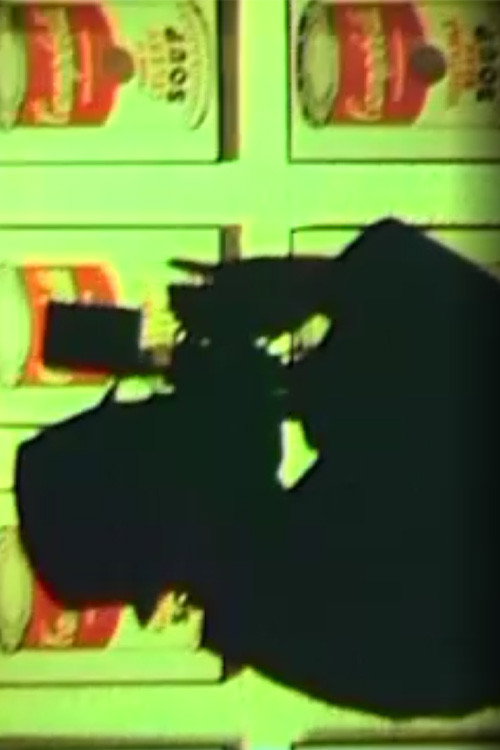
Consists of images of the Andy Warhol show at the Whitney Museum in May of 1971. It also includes a George Maciunas dumpling party on 80 Wooster Street, Soho, on June 29, 1971. George Maciunas, Andy Warhol, John Lennon, and Yoko Ono are pictured.

Movie

The Song of Moscow (1971) IMDb TMDB
The Song of Moscow
director: Jonas Mekas
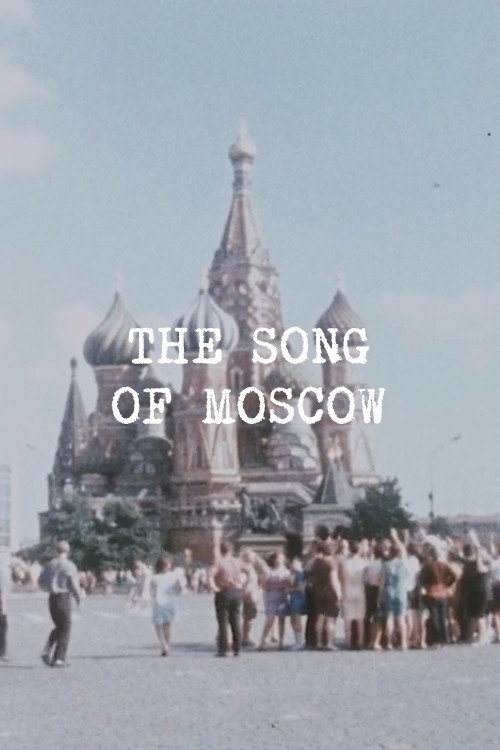
Filmed during Jonas Mekas’s visit to the Soviet Union in 1971, this short presents a personal record of Moscow. The footage was later incorporated into Mekas’s 2003 compilation film Travel Songs (1967–1981).

Movie

Bibi Hansen (2006) TMDB
Bibi Hansen
director: Jonas Mekas actor: Bibbe Hansen
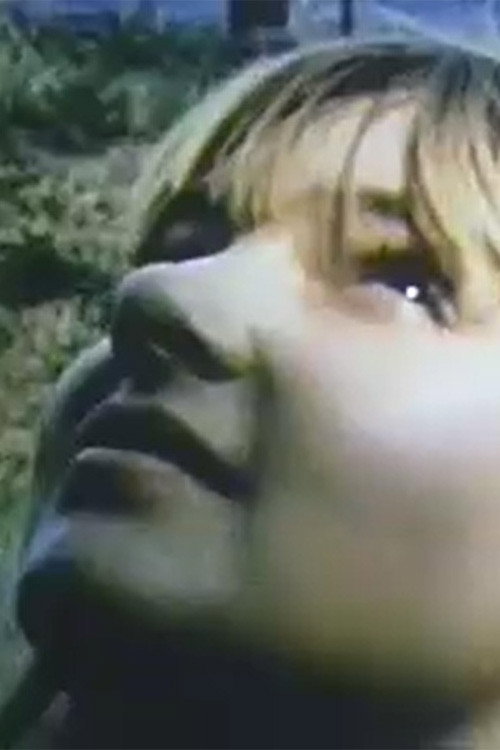
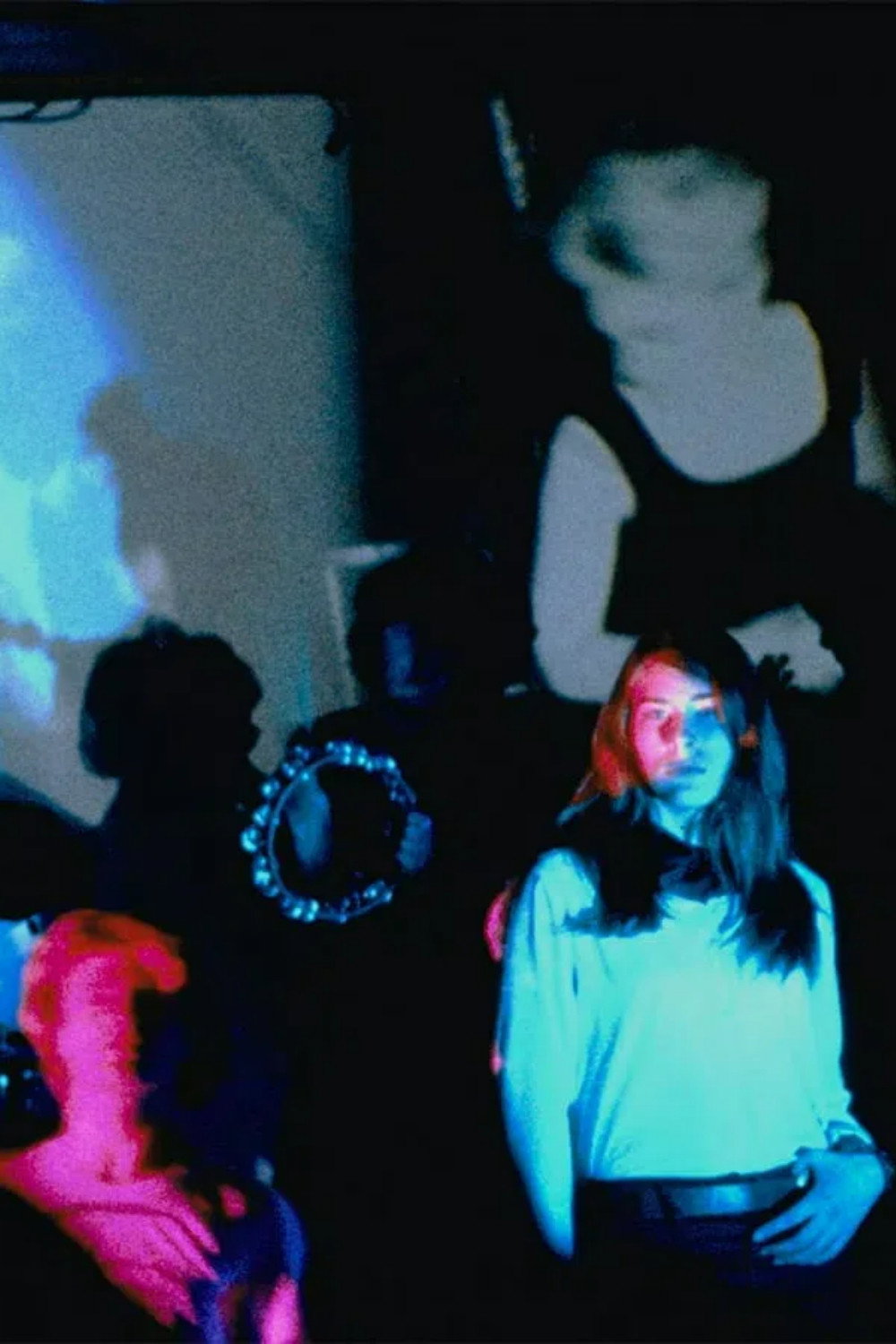
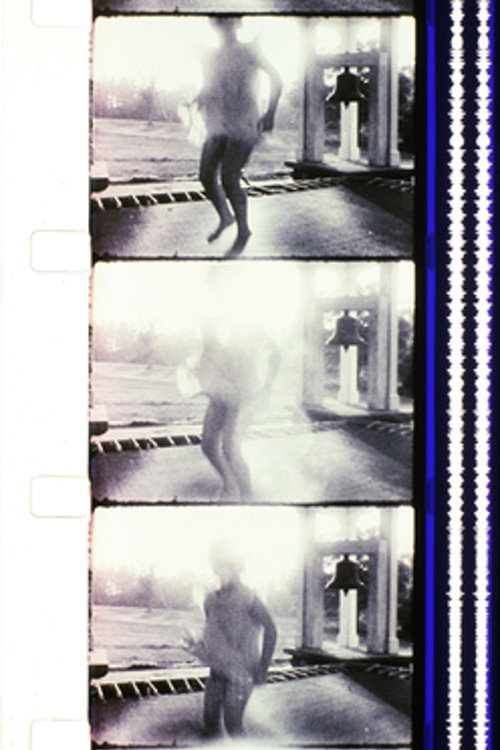
I filmed the young Bibi Hansen in 1966 as a screen test for a film I wanted to make out the life of a young girl growing up in New York. The film was never made. This footage was taken in Central Park. The haiku in the film is by Matsuo Basho in Mobuyuki Yussa translation.

Movie

Award Presentation to Andy Warhol (1964) IMDb TMDB
Award Presentation to Andy Warhol
director: Jonas Mekas actor: Andy Warhol / Jane Holzer …
In 1964 Film Culture magazine chose Andy Warhol for its annual Independent Film award. The plan was to show some of Andy's films and have Andy come on stage and hand him the award. Andy said, no, he didn't want a public presentation.

Movie

Williamsburg, Brooklyn (2003) IMDb TMDB
Williamsburg, Brooklyn
director: Jonas Mekas
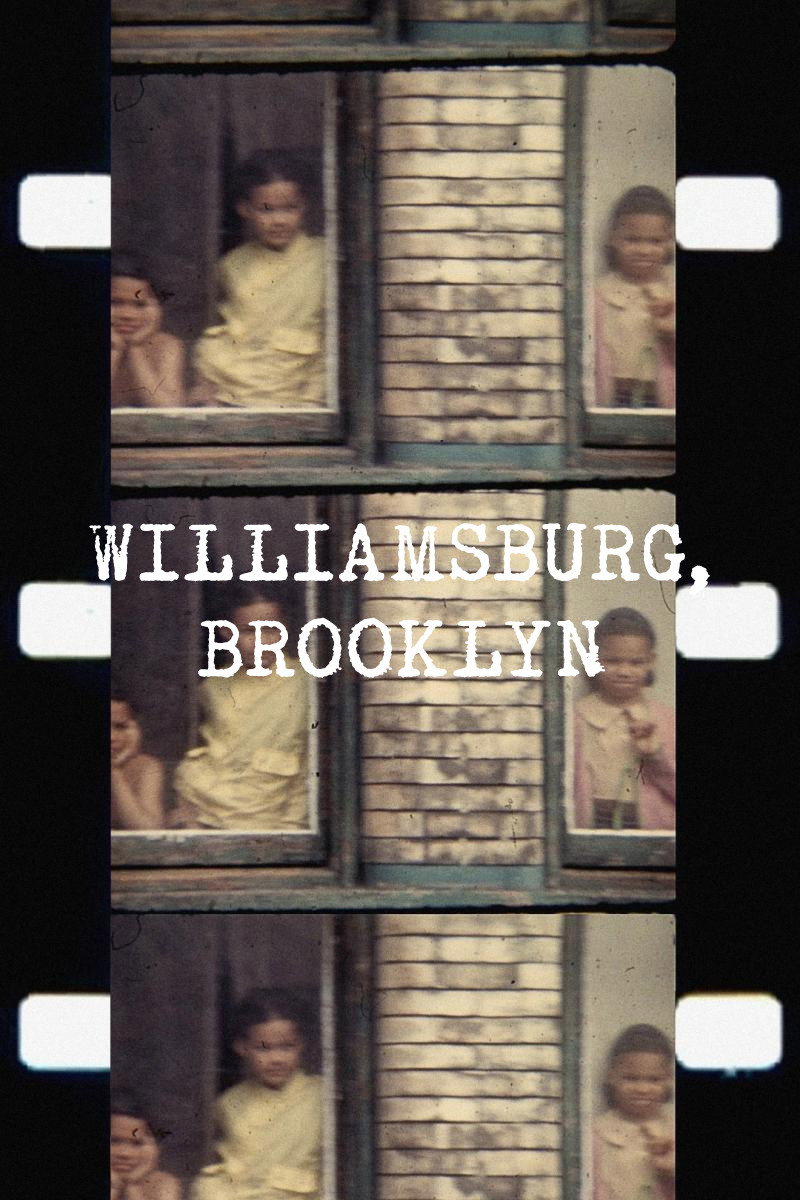
Filmed in 1950 soon after Jonas Mekas arrived in New York, this short documents everyday life in Williamsburg, Brooklyn. It was the first film he shot with his 16 mm Bolex camera, but he did not edit and present the footage until 2003, making it both his earliest and one of his final works on film.

Movie

Time & Fortune Vietnam Newsreel (1969) IMDb TMDB
Time & Fortune Vietnam Newsreel
director: Jonas Mekas actor: Adolfas Mekas
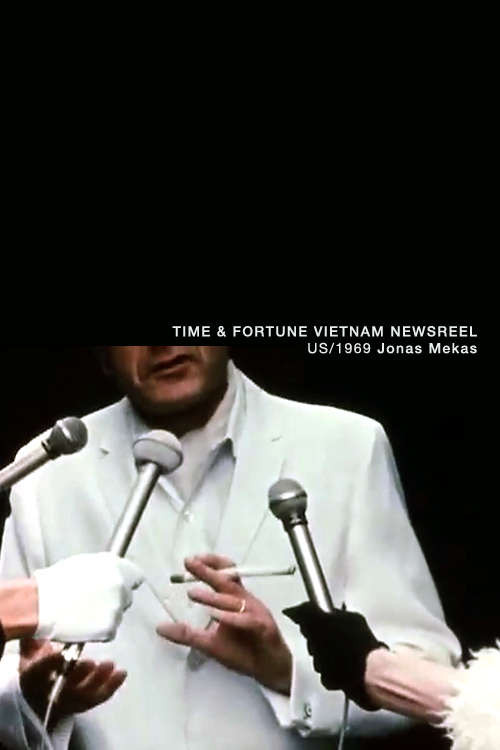
Jonas Mekas zoomed in from a completely different angle for his Time & Fortune Vietnam Newsreel. This fake interview with ‘Lapland’s Minister of Foreign Affairs’ brings an outsider’s perspective to bear on the US war, and discusses with ironic perplexity if it might not be possible to kill off the Viet Cong more cheaply. For, whilst white students in the US primarily took issue with the war in South-eastern Asia, African-Americans remained predominantly concerned with their own situation. For them, daily discrimination at home and the Vietnam War were simply two faces of the same racist coin

Movie

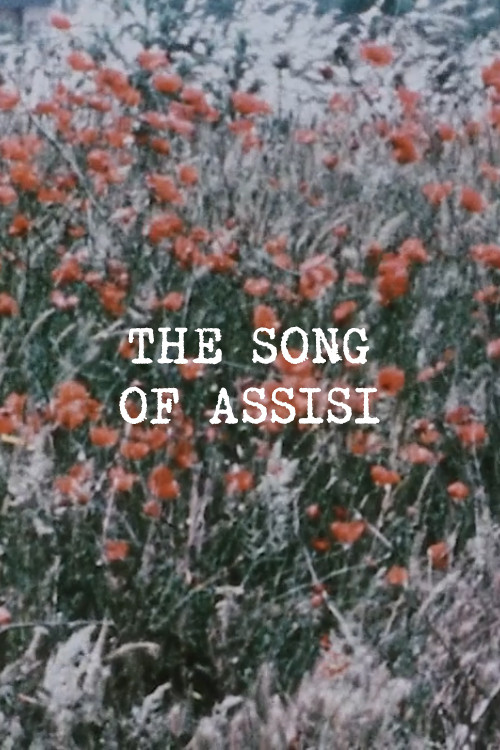
The Song of Assisi (1967) IMDb TMDB
The Song of Assisi
director: Jonas Mekas
Filmed during Jonas Mekas’s visit to Assisi in 1967, this short documents his time in the city known for its spiritual associations. The footage was later incorporated into his 2003 compilation film Travel Songs (1967–1981).

Movie

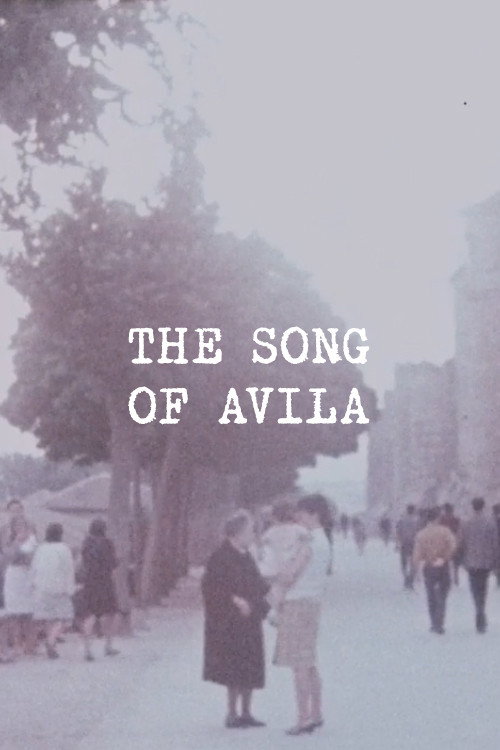
The Song of Avila (1967) IMDb TMDB
The Song of Avila
director: Jonas Mekas actor: Jonas Mekas
Filmed during Jonas Mekas’s visit to Avila in 1967, this short records his impressions of the city, inspired by Meher Baba’s teaching that it was one of Europe’s holy places. The footage was later incorporated into his 2003 compilation film Travel Songs (1967–1981).

Movie

Report from Millbrook (1966) WikiData IMDb TMDB
Report from Millbrook
director: Jonas Mekas
Jonas Mekas documents Timothy Leary’s Millbrook estate in the wake of a police raid, juxtaposing serene images of the property with audio of officials justifying their actions. Blending diary footage with subversive reportage, the film exposes the gap between perception and authority, offering an oblique portrait of the counterculture and its suppression.

Movie

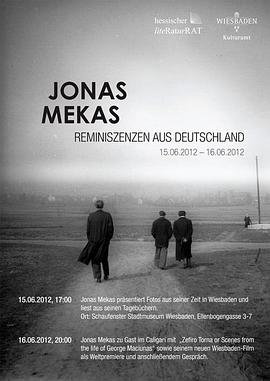
Reminiszenzen aus Deutschland (2013) Douban
director: 乔纳斯·梅卡斯 actor: 乔纳斯·梅卡斯 / Peter Sempel
Reminiszenzen aus Deutschland de Jonas Mekas
États-Unis, 2012 / 16mm transféré en vidéo et vidéo, 25’, coul., vostf, inédit
« Ce film e st ma première tentative d’introduire brièvement à la période allemande de ma vie : de juillet 1944 à octobre 1949. Utilisant des photos originales de l’époque et des images film et vidéo prises en 1971 et en 1993, je revisite Elmshorn, Flensburg, Wiesbaden, Mainz, et Kassel, où j’ai passé plusieurs années de ma vie – d’abord travailleur forcé dans un camp de prisonniers de guerre, puis plus tard, dans des camps de "Personnes déplacées"”. La bande-son est constituée de brefs extraits de mes journaux de l’époque, de réflexions actuelles et de passages des écrits de Wolfgang Borchert. »
Jonas Mekas

Movie

Wien & Mozart (2001) Douban
Mozart & Wien and Elvis de Jonas Mekas
États-Unis/Autriche, 2000, 35mm, 3’, coul.
film-annonce réalisé pour la Viennale 2001
filmé en 1971 et 1972, monté en 2000
En 1971, Jonas Mekas est autorisé, par les autorités soviétiques, à rendre visite à sa mère en Lituanie, qu’il n’a pas vue depuis vingt-sept ans. À son voyage de retour, il alla à Vienne pour la première fois. Il garda les images tournées durant sa visite et attendit trente ans, le bon moment pour les montrer. Les images d'Elvis ont été tournées à la même période, en 1972, lors de la dernière performance du King à New York.

Movie

Paradise Not Yet Lost, or Oona's Third Year (1980) Douban
Paradise Not Yet Lost, or Oona's Third Year
other title: 乐园仍未失,或奥娜的第三年
Paradise Not Yet Lost (a.k.a Oona’s Third Year) de Jonas Mekas
États-Unis, 1979, 16mm, 96’, coul., vostf
filmé en 1977, monté en 1979
« Le film se divise en six parties. La première se passe à New York et nous y voyons de nombreuses scènes quotidiennes à la maison et en ville, et également notre fille Oona qui a trois ans. D’autres sujets aussi : concert de Peter Kubelka ; visite à Marie Deren, la mère de Maya ; parade de St Patrick’s ; printemps à Central Park ; etc. La deuxième partie, très brève, se passe en Suède pendant notre visite à Anna Lena Wiborn. La troisième partie se passe en Lituanie pour le 90e anniversaire de ma mère avec ma femme Hollis et Oona, alors âgée de deux ans et demi. Oona rencontre ses cousins, on boit de la bière faite à la maison, on se promène à travers les bois, on cueille des champignons et des fraises sauvages, on s’amuse. La quatrième partie se passe en Autriche, on rend visite à Peter Kubelka et à Hermann Nitsch à Prinzendorf, on goûte le vin de Hermann, on parle aux ânes de Peter, on visite Saint-Nicolas à Kremsmuenster, puis nous allons en Italie avec Peter à la recherche du vin de Michel-Ange, le Canaiola. La sixième partie est le retour à New York ; visite à Willard Van Dyke ; 3e anniversaire d’Oona, incendie à Broome Street, encore des scènes d’intérieur, début des tempêtes d’hiver. C’est un diary film, mais c’est aussi une méditation sur le thème du Paradis. C’est une lettre à Oona pour l’aider, un jour, à se souvenir de ce qu’était le monde autour d’elle quand elle avait trois ans. Une époque dont elle n’aura que quelques petits fragments de souvenirs dans sa mémoire. Un guide romantique pour lui rappeler les valeurs essentielles de la vie, dans un monde artificiel, commercial, (un) poison pour le corps et l’esprit. » Jonas Mekas, novembre 1979
« […] Où Jonas, après s’être longtemps identifié à la figure d’Ulysse, à son errance et à ses combats, comprend qu’il n’y a pas d’Ithaque (sauf à en ouvrir les frontières à l’universalité de la culture ou à souhaiter, avec le poète Cavafis, que la route qui y mène soit longue) et se comporte désormais comme Pénélope. »
Patrice Rollet, « Zefiro Torna de Jonas Mekas », Trafic n°80, hiver 2011
Movie

Travel Songs (1981) WikiData IMDb TMDB Douban
Travel Songs
other title: 行旅歌集 / Travel songs
Compiled from two decades of travels through Europe, Jonas Mekas’s Travel Songs gathers five diaristic segments filmed in Avila, Stockholm, Moscow, and Assisi. Shot with his characteristic spontaneity and playfulness, the film turns casual sightseeing into a lyrical meditation on place, memory, and movement.

Movie

He Stands in the Desert Counting the Seconds of His Life (1986) IMDb TMDB Douban
He Stands in the Desert Counting the Seconds of His Life
director: Jonas Mekas actor: 肯尼思·安格 / 罗伯特·布里尔 …
other title: 他站在荒漠中数着生命中的时刻 / 時を数えて、砂漠に立つ …
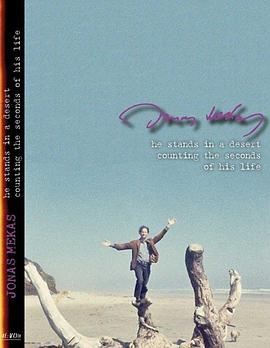
A film collage tracing the story of the lives, loves, and deaths within the artistic community surrounding Jonas Mekas.

Movie

鸿雁传影:何塞·路易斯·格林与乔纳斯·梅卡斯往来影笺 (2011) Douban
Correspondence: José Luis Guerín and Jonas Mekas
director: 何塞·路易斯·格林 / 乔纳斯·梅卡斯 actor: 乔纳斯·梅卡斯 / 何塞·路易斯·格林 José Luis Guerín
other title: Correspondence: José Luis Guerín and Jonas Mekas
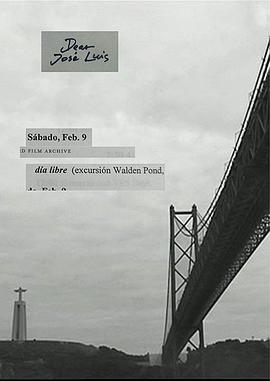
This correspondence, or exchange of letters and video diaries between acclaimed filmmakers Jonas Mekas and José Luis Guerin is extremely potent, there's sorcery at play in the mixture of the two. Together they're light and dark. Mekas knows life's joys, and is always a participant in what he films, Guerín is a detached observer, cold, present only as a black mote, reflected in the eye of one of his subjects. Guerín shoots in black and white and strives for formalism, Mekas loves hazard, loves his chaotic hand-held colour camera. Jonas Mekas felt that his images were inferior to those of Guerín, but a picture of his son Sebastian devouring a pickle, followed by Jonas on the deli sausage and wine, and then a cheeky close up of Goethe's Faust; which of them Faust and which Mephistopheles? That one shot set me thinking about the nature of art and the privilege of artists, and could be interpreted in any one of several fruitful ways.
Guerín's Camera is brutal, his viewpoint black, on death and distance. He sends Jonas a morbid video, regarding a Slovenian film writer, which is almost a provocation. One beautiful moment, filmed through a gap in his hotel room's curtains shows a young couple frolicking in the sea, for which brief segment he allows music. It's deliberately voyeuristic though, Guerín is distant he identifies with migrant workers he films in Venice.
The films, in an aesthetic sense presents clarity versus confusion, reality versus a dreamer's obfuscation. There's an extent to which what we see is a real correspondence, an extent to which they are talking past one another. Guerín intones that dialogue between filmmakers is an impossibility, over images of fish heads on ice in a market. It's one of two visual quotes I suspected are from Pere Potabella (from Pont de Varsovia).
The difference in viewpoint I suspect ultimately is that Mekas sees beauty in the fact that life goes on, wonder in impermanence, Guerín is blanched by it.