Emil Gal — Actor (3)

Movie

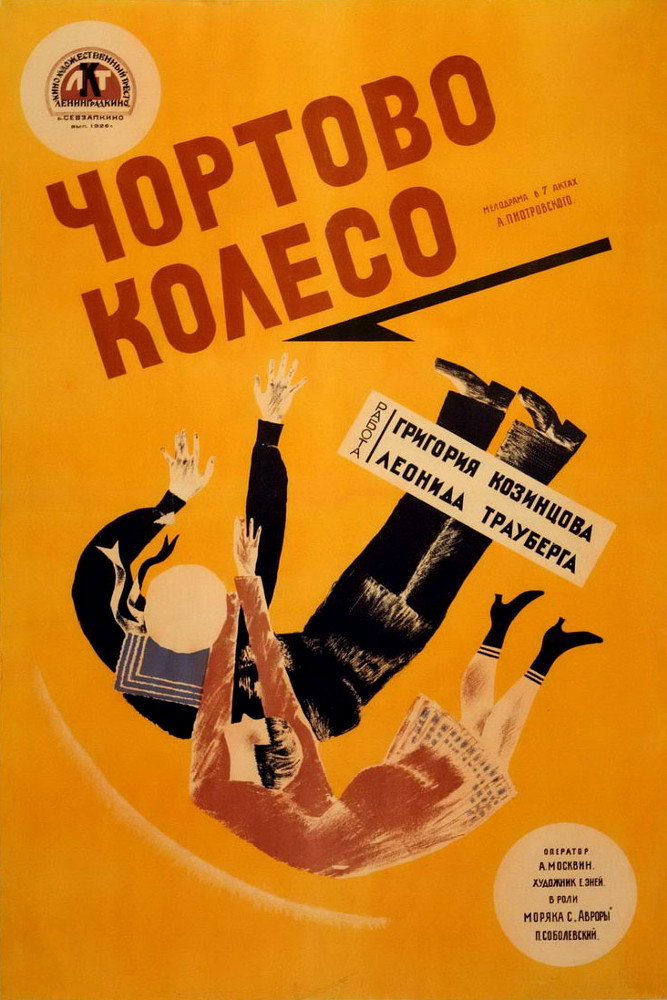
The Devil's Wheel (1926) WikiData IMDb TMDB
Чёртово колесо
other title: Чёртово колесо / La Roue du diable …
Typically of the heady days of early Soviet cinema, this is constructed according to the fast, sharp editing principles advocated by Eisenstein, complete with symbolic inserts; but in terms of subject matter, it's much less explicitly political than most movies emerging from Russia in the '20s. Chronicling a young sailor's descent into a murky, treacherous underworld of pimps and thieves, after having encountered a Louise Brooks lookalike at a fairground and missed his departing boat, it's a lively moral fable that delights in vivid visual effects and quirky characterisations. If the plot occasionally reveals gaping holes, and the tacked-on ending urging the clearance of the Leningrad slums seems to be rather gratuitous, there's enough going on to keep one attentive and amused.
Movie

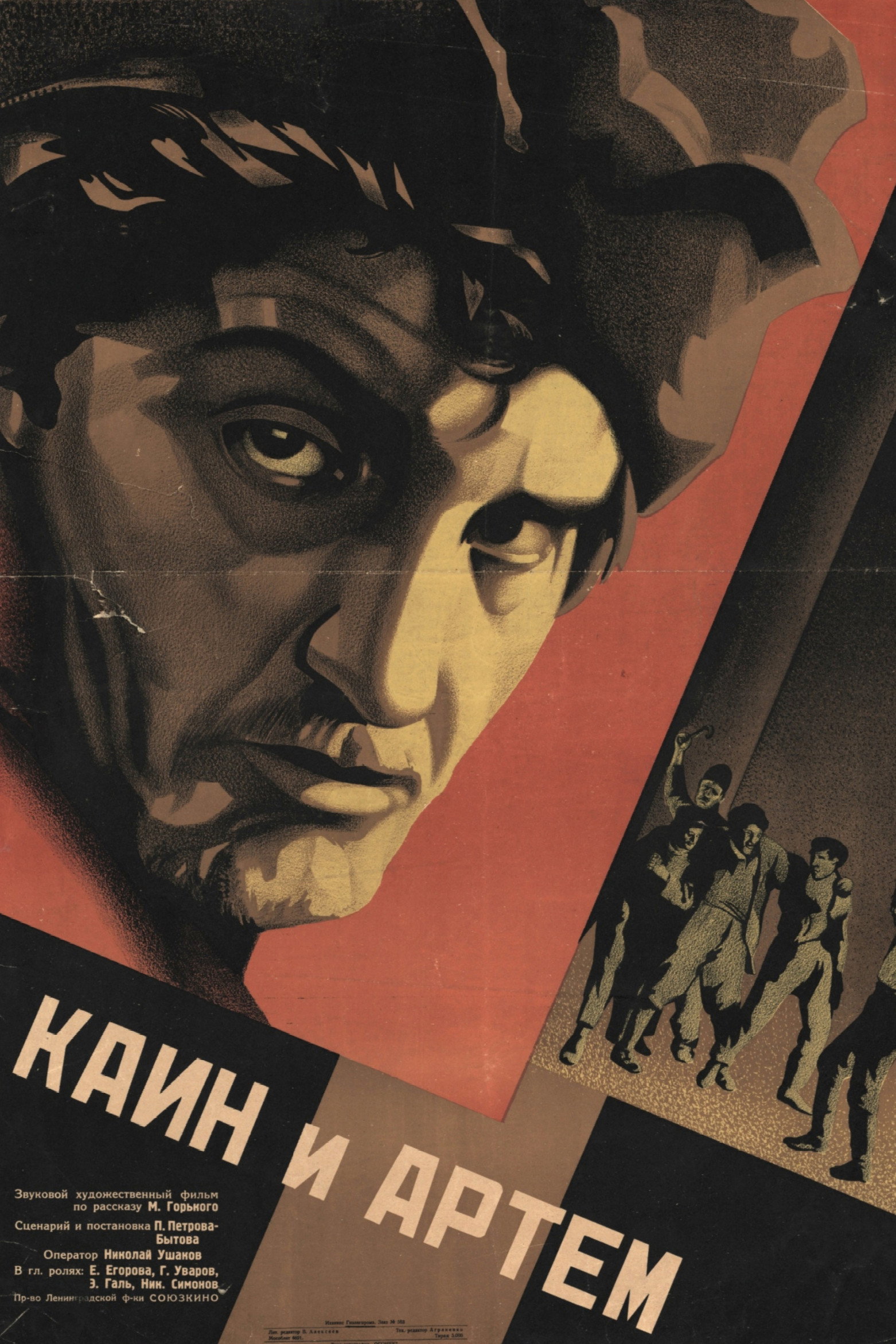
Cain and Artem (1930) WikiData IMDb TMDB
Каин и Артём
other title: Каин и Артём
The 1890s. One of the cities on the Volga River. The young wife of a merchant falls in love with Artem, a “Volga bogatyr,” a man of enormous strength and violent temper. She dreams of leaving with him for the countryside. Her jealous husband bribes hooligans to kill Artem.

Movie

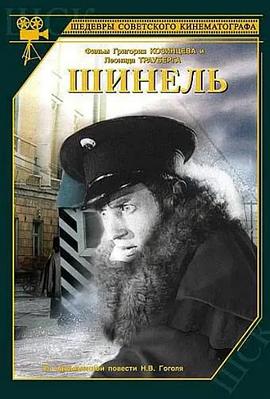
Shinel (1926) WikiData IMDb TMDB Douban
Шинель
director: 格里高利·柯静采夫 / 列昂尼德·塔拉乌别尔格 actor: Antonina Eremeeva / Emil Gal …
other title: 外套 / Шинель …
"Shinel" (The Overcoat) was a film directed by the great but communist duet of Herr Grigori Kozintsev und Herr Leonard Trauberg. It was based in the eponymous book written by the Russian Herr Nikolai Gogol. It must said that Herr Kozintsev und Herr Trauberg were inspired by another Gogol oeuvre, "Nevsky Prospect" for the prologue of the film. It shows the anodyne youthful of the poor clerk Akaky Akakiyevich Bashmachkin, the main character of the film. The film extends this and goes deeply into the reason why Herr Akakiyevich needs and spend his savings on an elegant overcoat.
"Shinel" it is a film about appearances and the importance to wear a uniform or rich clothes (well, concerning this the aristocracy are great experts thanks to centuries of impeccable tailoring…). It has many Expressionist references, not only in the way these Russian directors filmed and resolved the story. Especially remarkable are the different camera angles and the editing of this film; it's not German style at all, but it is superb camera work. There are instances that are deeply sarcastic and ironic; the sets and the actors performances are notable.
The film it is for many moments, a satire, with exaggerated and deliberate performances. It's even experimental in many aspects. The movie mixes up different European film styles. It shows different social conditions such as middle-class dullness and the extravagant and false bourgeoisie. Here's an ordinary vanity fair that goes bizarre with remarkable scenery. "Shinel" was photographed masterly by another communist pair, Herr Yevgeni Mikhajlov und Herr Andrei Moskvin, who manages in particular to emphasize the oppressive atmosphere that surrounded that poor clerk.