Stan Brakhage — Director (160)
Movie
The Extraordinary Child (1954) IMDb TMDB
The Extraordinary Child
director:
斯坦·布拉哈格
actor:
Robert Benson
/
斯坦·布拉哈格
…
The Extraordinary Child applies his developing style to broad slapstick. His friends from the previous films and the director himself play out a riotous farce about an overgrown baby who steals his father’s cigars. Everyone mugs hilariously. The movie could be taken as another example of the Romantic notion of the artist as a monstrous child or misfit, or a parody of the same rather than the personal confessional statement seen so often in these film movements.

Movie
Persian Series #9 (2000) IMDb TMDB Douban
Persian Series #9
director:
斯坦·布拉哈格
Sharp edged "chunks" of color set in black, straight, often multicolored, lines piercing shapes, imprisoning them, until they are fragmented bits of color in black: repeat of this theme again and again until darkness prevails, but is then broken open by pure white shards and "spears" restoring the original "dance" of hard-edge shapes and lines, which then begin to whirl clockwise, interspersed with fade-outs, and then shatter into "confetti" texture, in black, burnt "sugar-shapes" and the overwhelming flare of yellow.
Movie
Chartres Series (1994) WikiData IMDb TMDB
Chartres Series
director:
Stan Brakhage
other title:
The Chartres Series
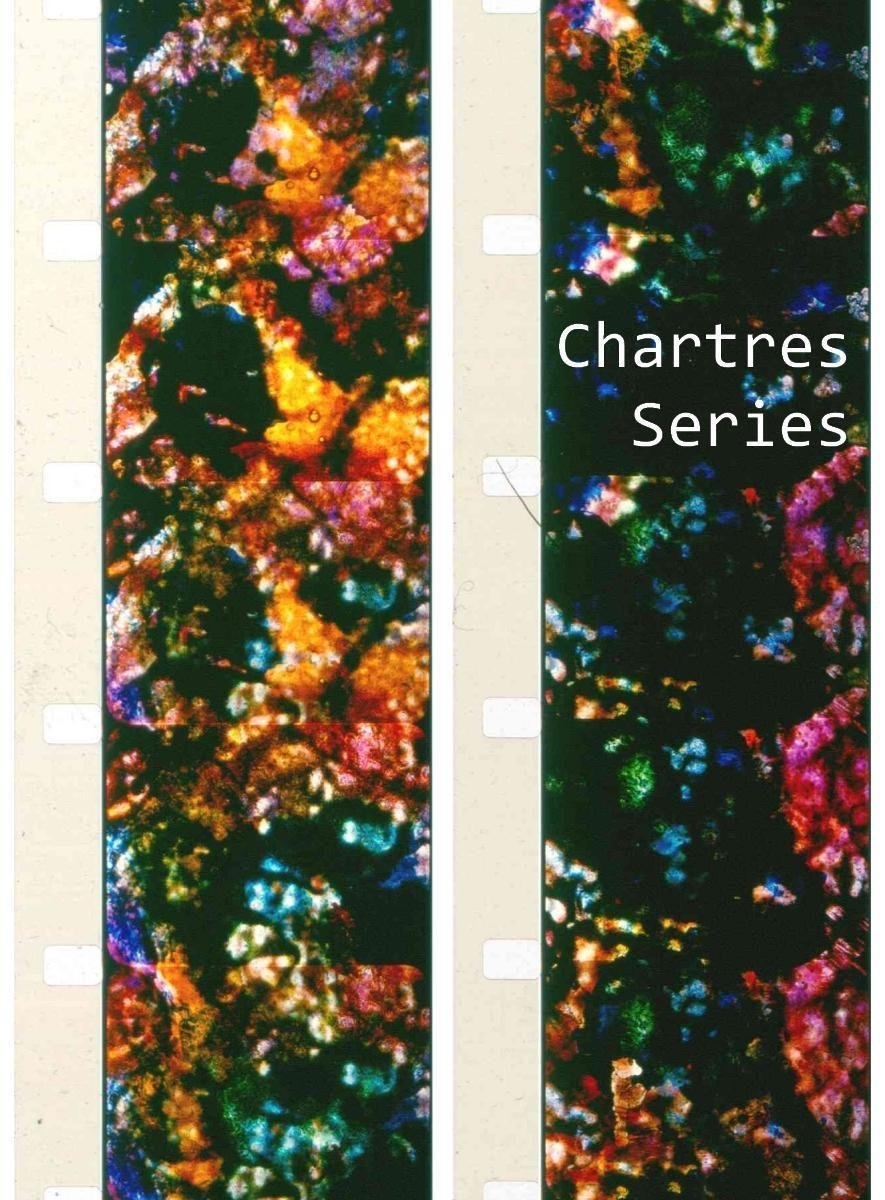
A year and a half ago the filmmaker Nick Dorsky, hearing I was going to France, insisted I must see the Chartres Cathedral. I, who had studied picture books of its great stained-glass windows, sculpture and architecture for years, having also read Henry Adams' great book three times, willingly complied and had an experience of several hours (in the discreet company of French filmmaker Jean-Michele Bouhours) which surely transformed my aesthetics more than any other single experience. Then Marilyn's sister died; and I, who could not attend the funeral, sat down alone and began painting on film one day, this death in mind ... Chartres in mind. Eight months later the painting was completed on four little films which comprise a suite in homage to Chartres and dedicated to Wendy Jull.
Movie
Scenes from Under Childhood, Section Four (1970) IMDb TMDB
Scenes from Under Childhood, Section Four
director:
Stan Brakhage
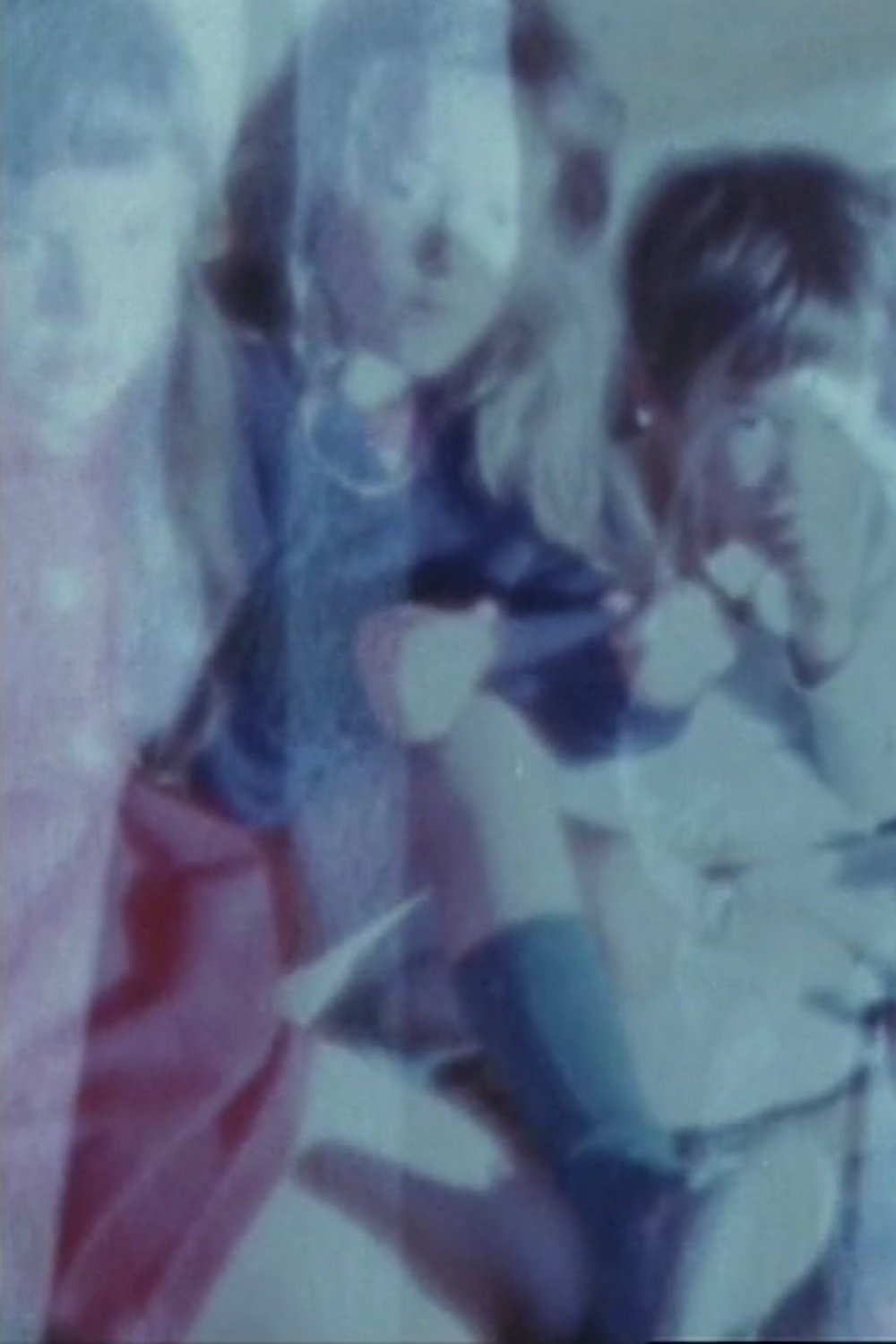
Section IV is the longest of the four parts and the one in which the photographic material from the past plays the most prominent role. We see more of Brakhage and his wife than in previous sections, both in everyday activities and in the grip of intense emotion; a long sequence shows Jane weeping intercut with stills from her past; another shows Brakhage in anger. The children are seen in varying moods: fighting, crying, delighting in water, absorbed by the grass or their own bodies. The most banal surroundings, such as the bathroom, are totally transformed before our eyes into nearly abstract compositions of form and color, and a mundane activity like dishwashing becomes the occasion for an exploration of pure color. (Artforum)
Movie
Scenes from Under Childhood, Section Three (1969) IMDb TMDB
Scenes from Under Childhood, Section Three
director:
Stan Brakhage
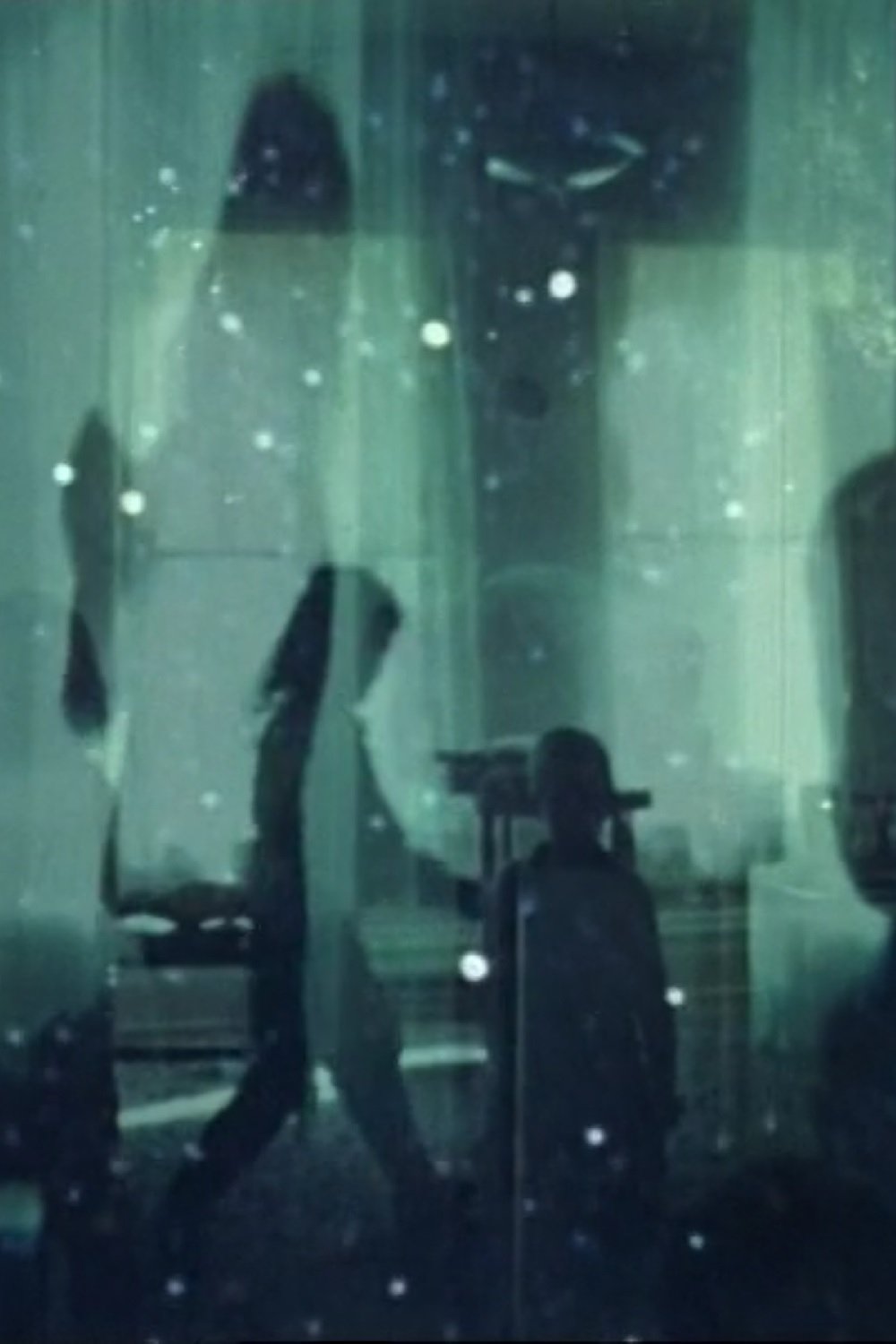
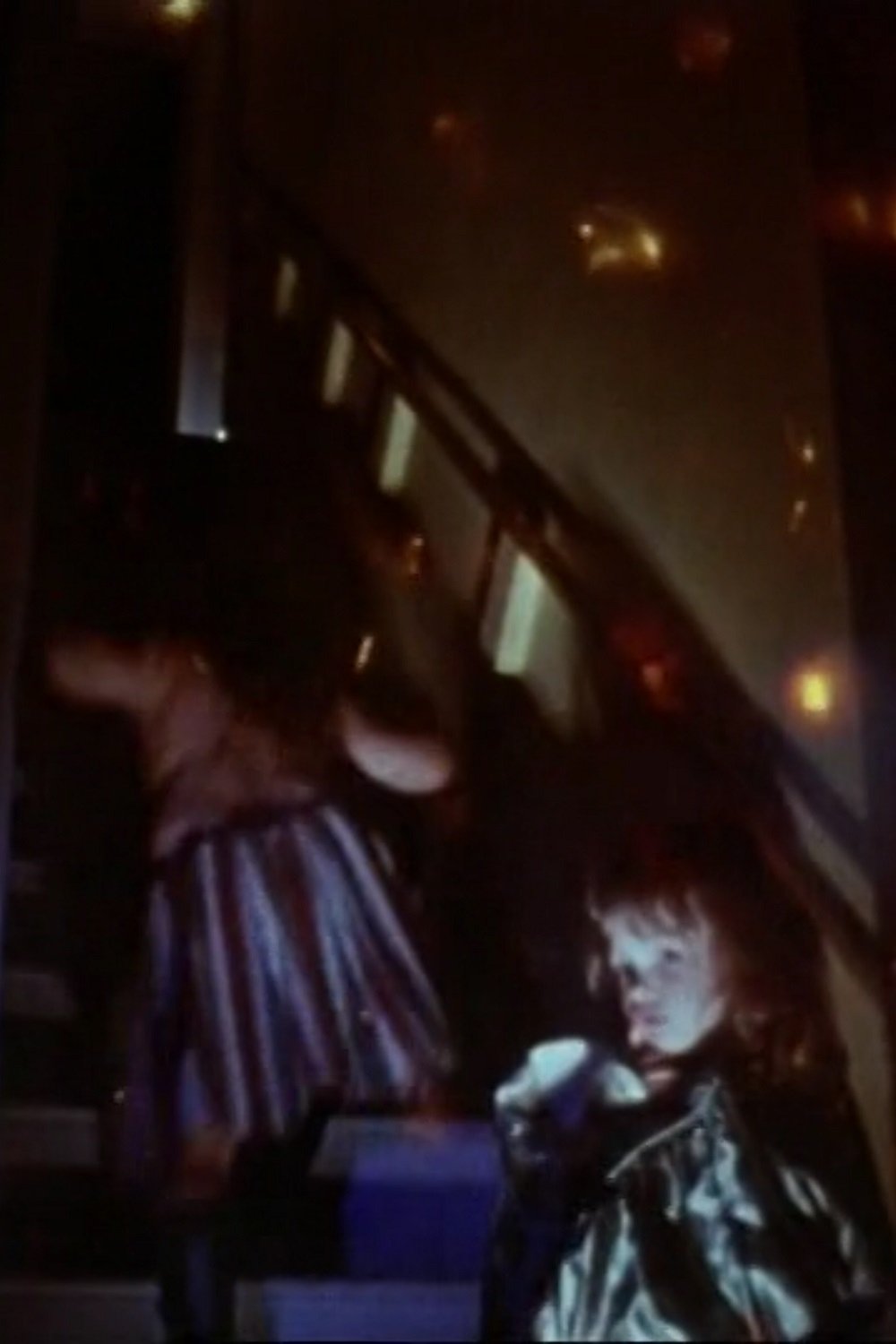
Section Ill is the most abstract section of the four, and the only one which does not contain old photographic material. The means used in previous sections to achieve abstraction and transformation of the realistic image are here employed in the extreme so that texture, color, and shape predominate. We can recognize some realistic images, such as shots of the family walking in the woods, or the children reading comics and riding in a car, but the overall impression given by this section is one of abstraction. (Artforum)
Movie
Scenes from Under Childhood, Section Two (1969) IMDb TMDB
Scenes from Under Childhood, Section Two
director:
Stan Brakhage
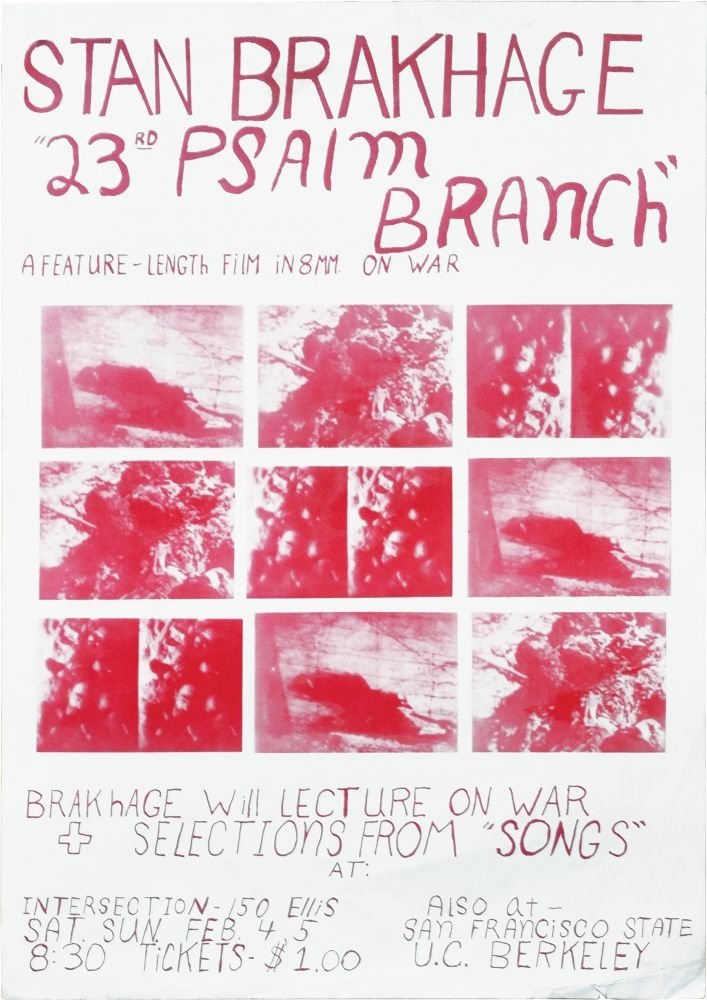
In Section II we see a series of discrete sequences showing the children, now somewhat older, in different types of play. They manipulate tiny objects, doll furniture and miniature figures, dress up in costume, play outdoors, watch TV. We see them eating, sleeping, crying . . . A repeated image in this section, used both alone and in superimposition, is a moving, glittery golden dazzle which resembles tinselly pinpoints of light. There are golden dazzle images that look more like small bubbles than pinpoints. These glitter images, along with the occasional solid color frames, are recurrent threads connecting the separate sequences of this section. (Artforum)
Movie
23rd Psalm Branch (1967) IMDb TMDB
23rd Psalm Branch
director:
Stan Brakhage
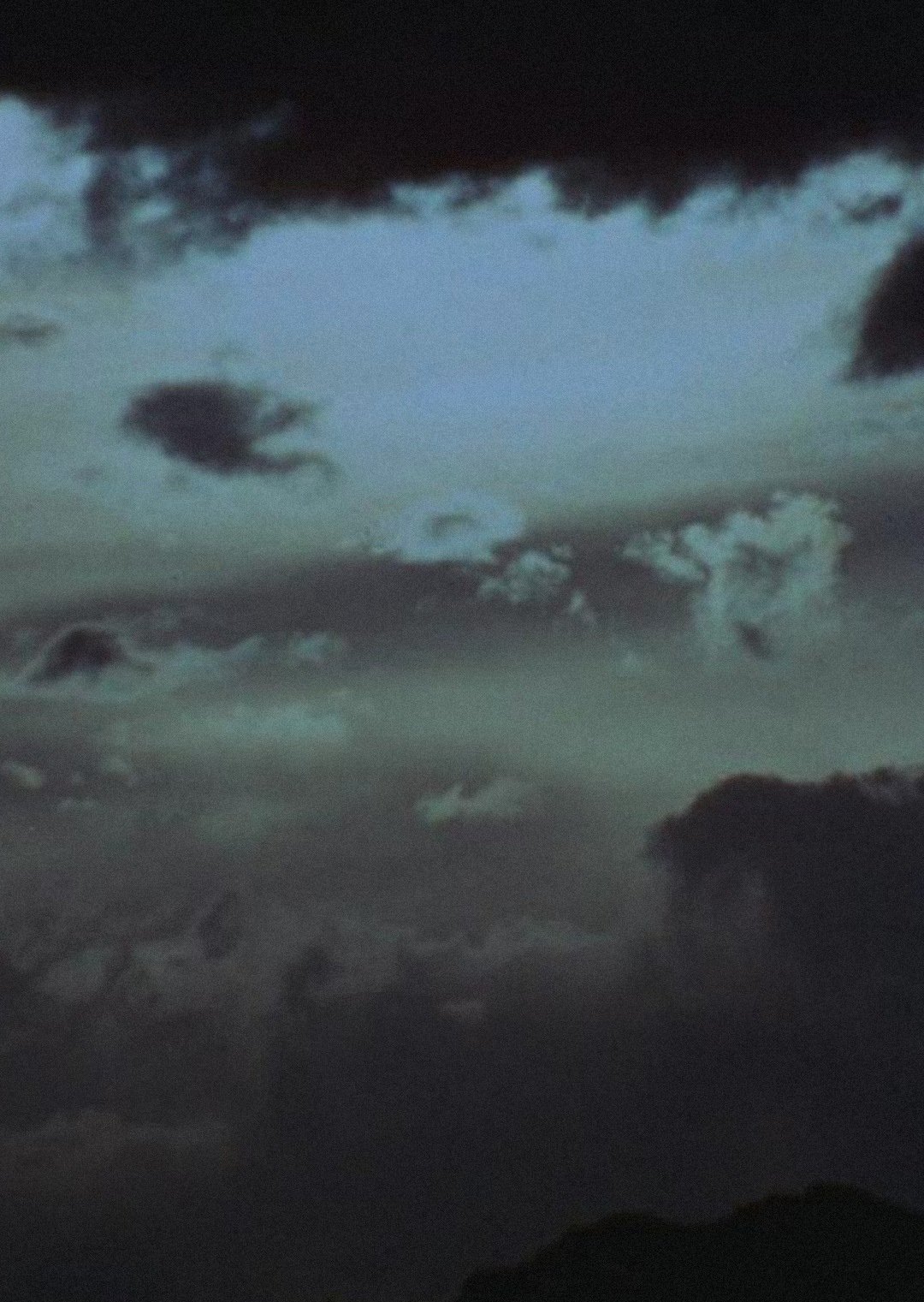
Made during the height of the Vietnam War, Stan Brakhage has said of this film that he was hoping to bring some clarity to the subject of war. Characteristically for Brakhage there is no direct reference to Vietnam.
Movie
The Machine of Eden (1970) IMDb TMDB
The Machine of Eden
director:
Stan Brakhage
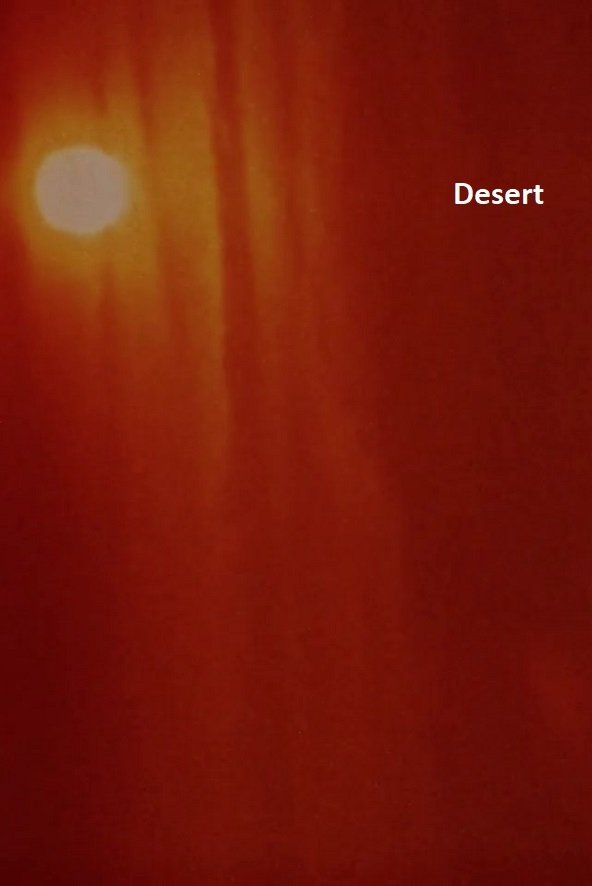
"'Mis-takes' give birth to 'shape' (which, in this work, is 'matter,' subject and otherwise) amidst a weave of thought: ... the 'dream' of Eden will speak for itself." The second part of the of The Weir-Falcon Saga trilogy.
Movie
Desert (1976) IMDb TMDB
Desert
director:
Stan Brakhage
Says Fred Camper of the film: "Invited to Riverside, California, Brakhage, under the mistaken impression that it was a desert, was planning a desert movie when he arrived to discover an unattractive suburban landscape. So he decided to make, and shoot, a desert on his motel room table".
Movie
Arabic Numeral Series 12 (1981) IMDb TMDB
Arabic Numeral Series 12
director:
Stan Brakhage
This is the twelfth film in the twenty-part Arabics series. Brakhage creates blurry visual fields that are profoundly without ground, worlds of unidentifiable, ever-shifting shapes, and oceans of light and darkness.
Movie
Unconscious London Strata (1981) IMDb TMDB
Unconscious London Strata
director:
Stan Brakhage
This film, photographed in London, is an exploration into the depths of unconscious reactions.
Movie
The Mammals of Victoria (1994) IMDb TMDB
The Mammals of Victoria
director:
Stan Brakhage
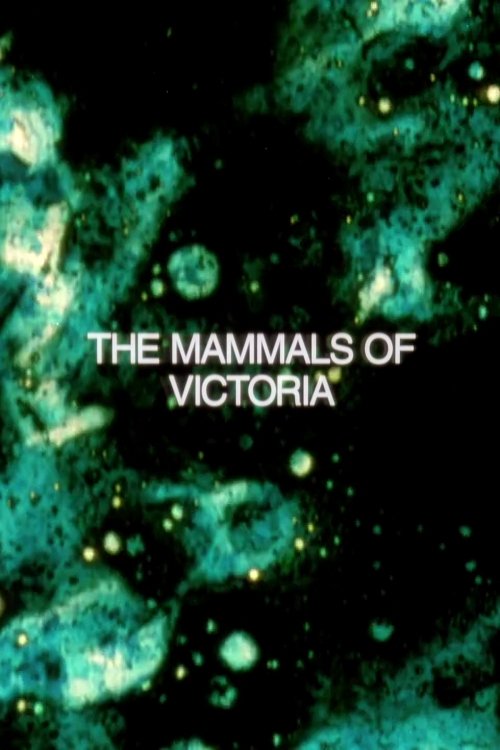
The film begins with a series of horizontally running ocean tide waves, sometimes with mountains in the background, hand-painted patterns, sometimes step-printed hand-painting, abstractions composed of distorted (jammed) TV shapes in shades of blue with occasional red, refractions of light within the camera lens, sometimes mixed with reflections of water. Increasingly closer images of water, and of light reflected off water, as well as of bursts of fire, intersperse the long shots, the seascapes and all the other interwoven imagery. Eventually a distant volleyball arcs across the sky: this is closely followed by, and interspersed with, silhouettes of a young man and woman in the sea, which leads to some extremely out-of-focus images from a front car window, an opening between soft-focus trees, a clearing. Carved wooden teeth suddenly sweep across the frame. Then the film ends on some soft-focus horizon lines, foregrounded by ocean.
Movie
Yggdrasill: Whose Roots Are Stars in the Human Mind (1997) IMDb TMDB
Yggdrasill: Whose Roots Are Stars in the Human Mind
director:
Stan Brakhage
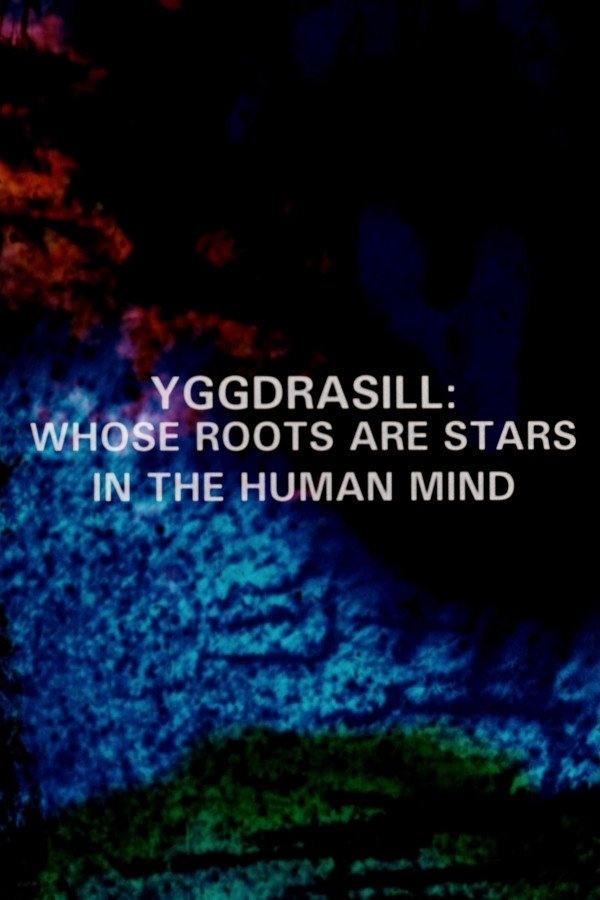
This film, a combination of hand-painting and photography, is a fulsome exposition of the themes of DOG STAR MAN. In that early epic I had envisioned The World Tree as dead, fit only for firewood; and at end of DOG STAR MAN I had chopped it up amidst a flurry of stars (finally Cassiopia's Chair): now, these many years later, I am compelled to comprehend YGGDRASILL as rooted in the complex electrical synapses of thought process, to sense it being alive today as when nordic legendry hatched it. I share this compulsion with Andrei Tarkovsky, whose last film The Sacrifice struggles to revive The World Tree narratively, whereas I simply present (one might almost say "document") a moving graph approximate to my thought process, whereby The Tree roots itself as the stars we, reflectively, are.
Movie
"..." Reel 5 (1998) IMDb TMDB
"..." Reel 5
director:
Stan Brakhage
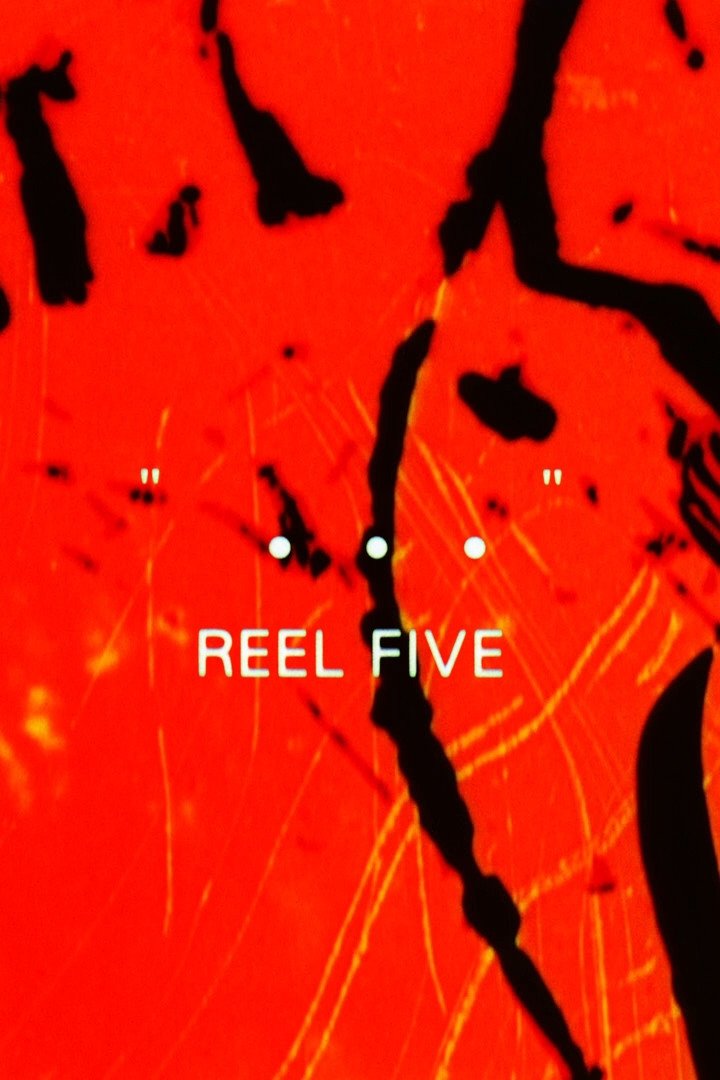
Reel #5 of (...) is composed of scratch-imagery edited to music by James Tenney. The music starts accompanied only by black leader: then there is a sudden flare of pure white which begins to flicker with negative-colored ephemeral shapes, until finally the music and a fulsome mass of scratched images are accompanying each other. At times a distinctly different quality of colored image appears and continues for awhile (non-orange negative photography of painted film as well as picture images).
Movie
Reflections on Black (1955) Douban
Reflections on Black
director:
Stan Brakhage
other title:
黑色的省思
史坦•布莱凯吉的《黑色的省思》(Reflections on Black,1995)透过一名神秘盲人探访一间公寓,呈现出对于男性-女性关系一系列不同的变化。
Movie
The Process (1972) IMDb TMDB Douban
The Process
director:
斯坦·布拉哈格
This film by Stan Brakhage investigates the process of memory and thought by melting a series of images and a field of color. The positive-negative flickering graphs a sort of shutter-window all over the matter of the vision. Jittery flocks of space are interweaving as pieces of language in a scant illumination, whereas the process of thought is sheared in fuzzy transience.
Movie
Scenes From Under Childhood: Section One (1968) IMDb TMDB Douban
Scenes From Under Childhood: Section One
director:
斯坦·布拉哈格
other title:
孩童场景:第一部分
/
Scenes from Under Childhood, Section One
25

Movie
Thigh Line Lyre Triangular (1961) WikiData IMDb TMDB Douban
Thigh Line Lyre Triangular
director:
斯坦·布拉哈格
actor:
Jane Wodening
Only at a crisis do I see both the scene as I've been trained to see it ( that is, with Renaissance perspective, three-dimensional logic–colors as we've been trained to call a color a color, as so forth) and patterns that move straight out from the inside of the mind through the optic nerves... spots before my eyes, so to speak... and it's very intensive, disturbing, but joyful experience. I've seen that every time a child was born... Now none of that was in WINDOW WATER BABY MOVING; and I wanted a childbirth film which expressed all of my seeing at such a time.