









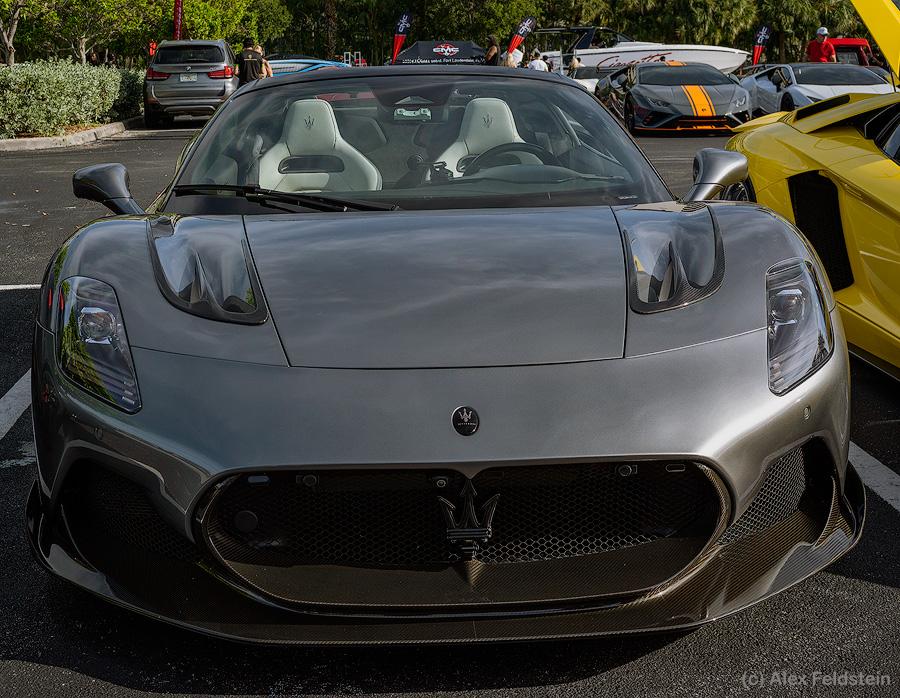



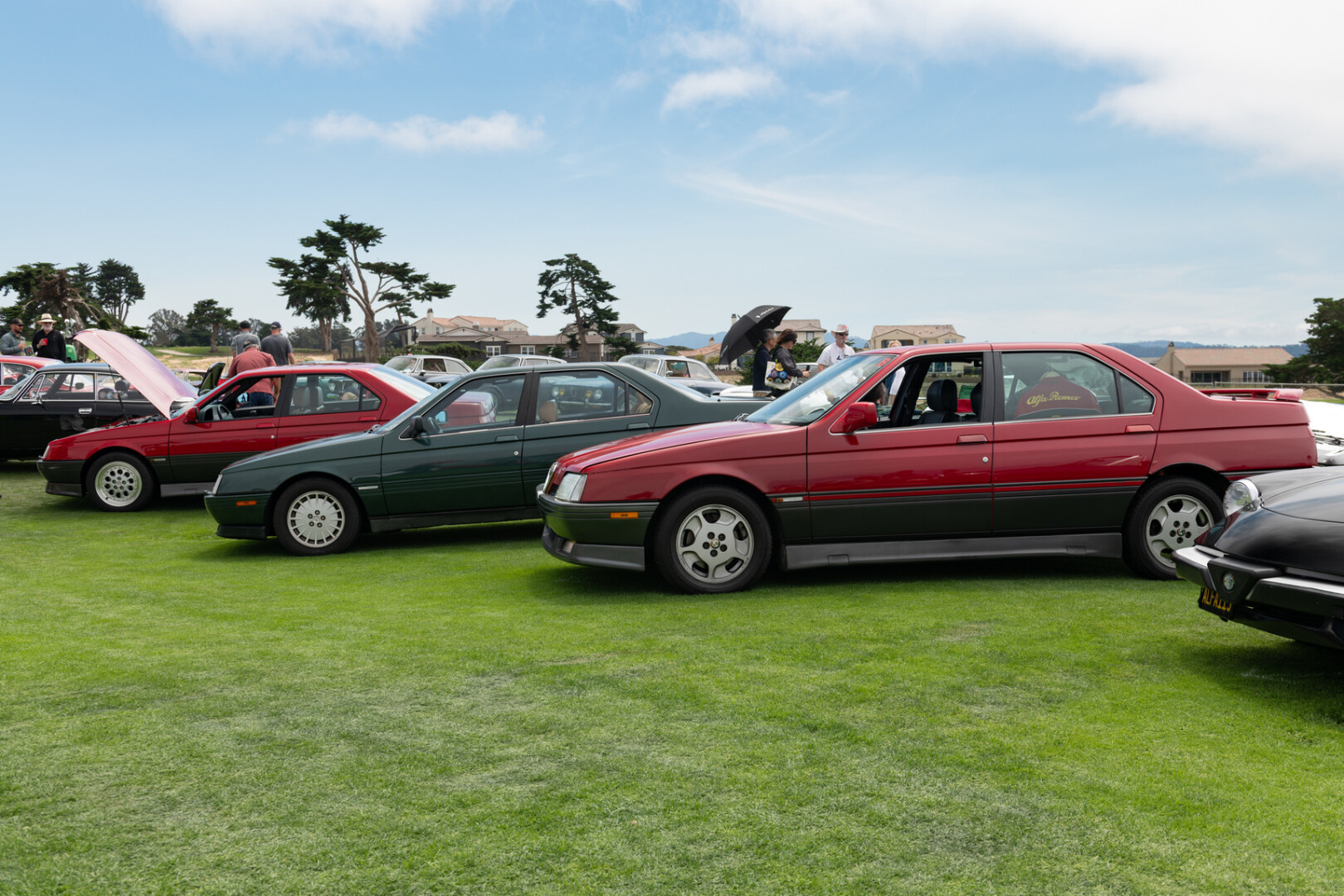
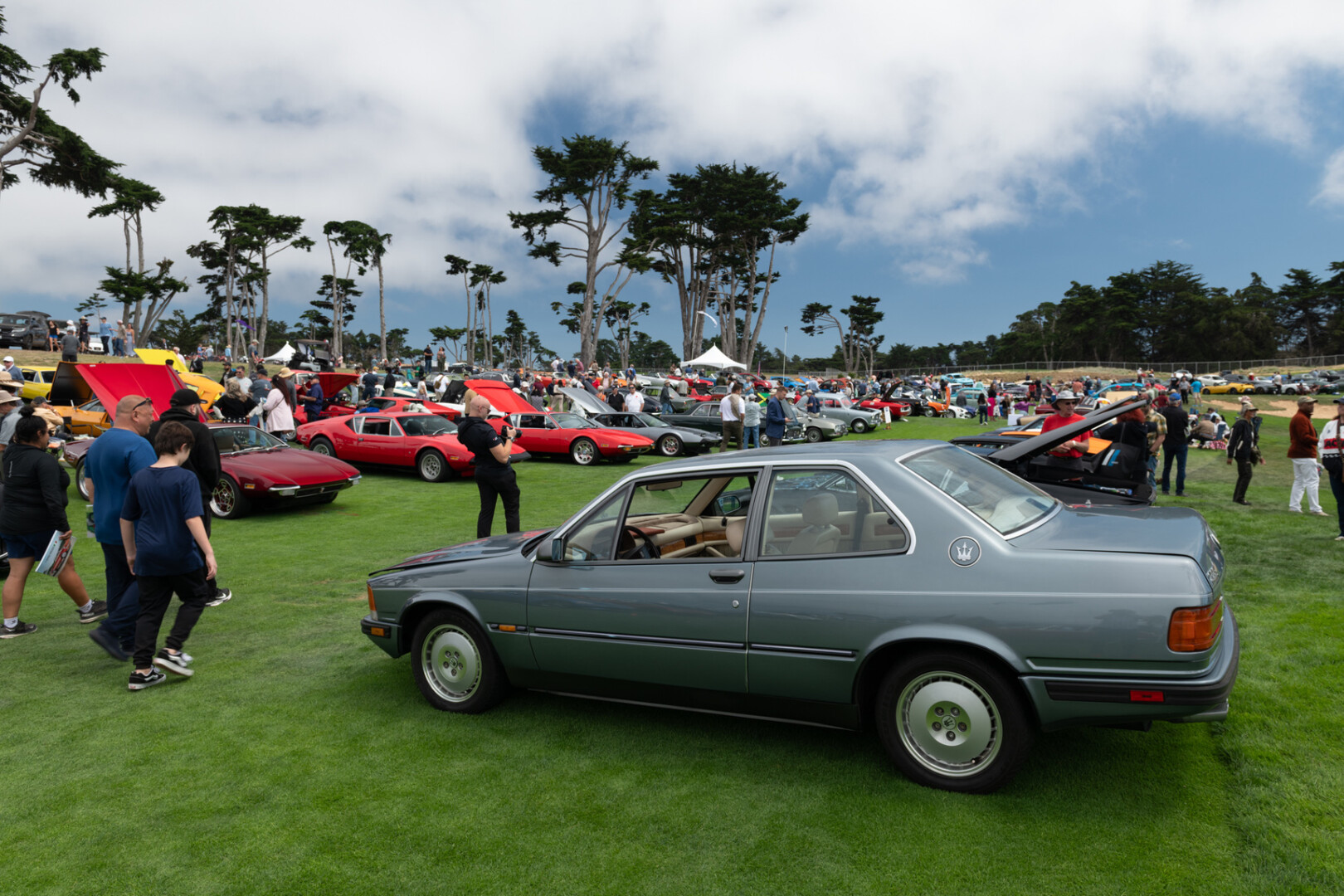
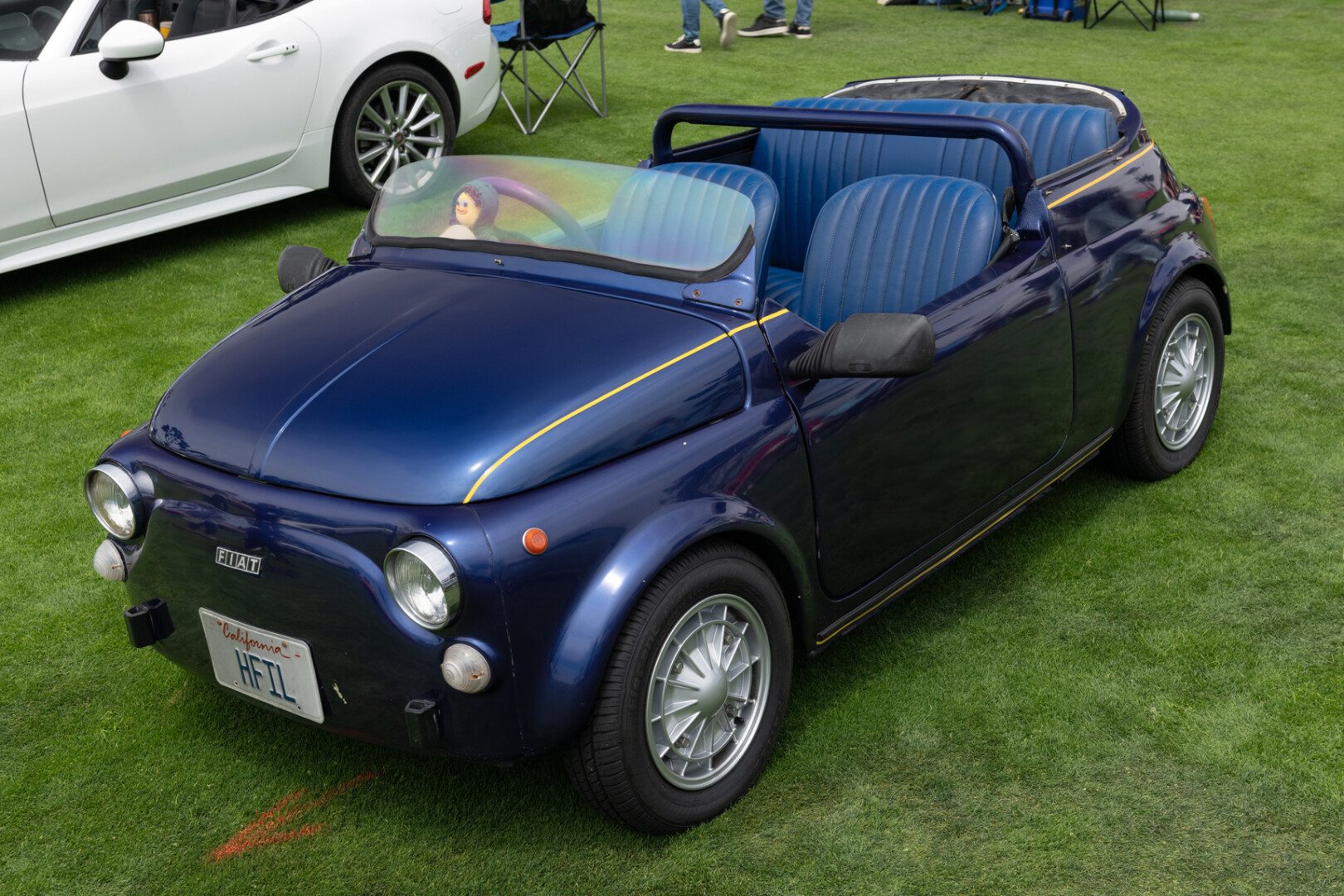
The notion that a car represents freedom is one of the most insidious lies that capitalists, lobbyists, and politicians have ever sold to the American public. We built our infrastructure around that lie, and that infrastructure ensures that many Americans need a car—most importantly, in the interests of those who sold us this ball and chain, to get to and from work.
Gotta work to live, right? So: get the car to get the work.
But it’s gonna cost you.
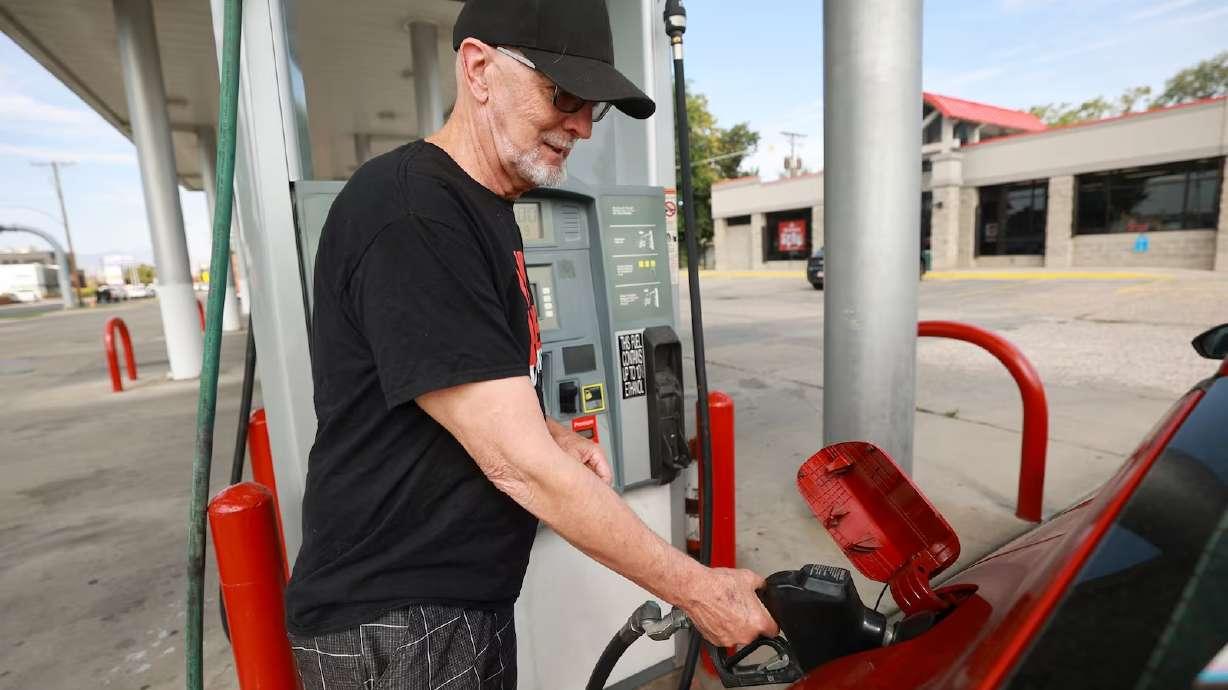
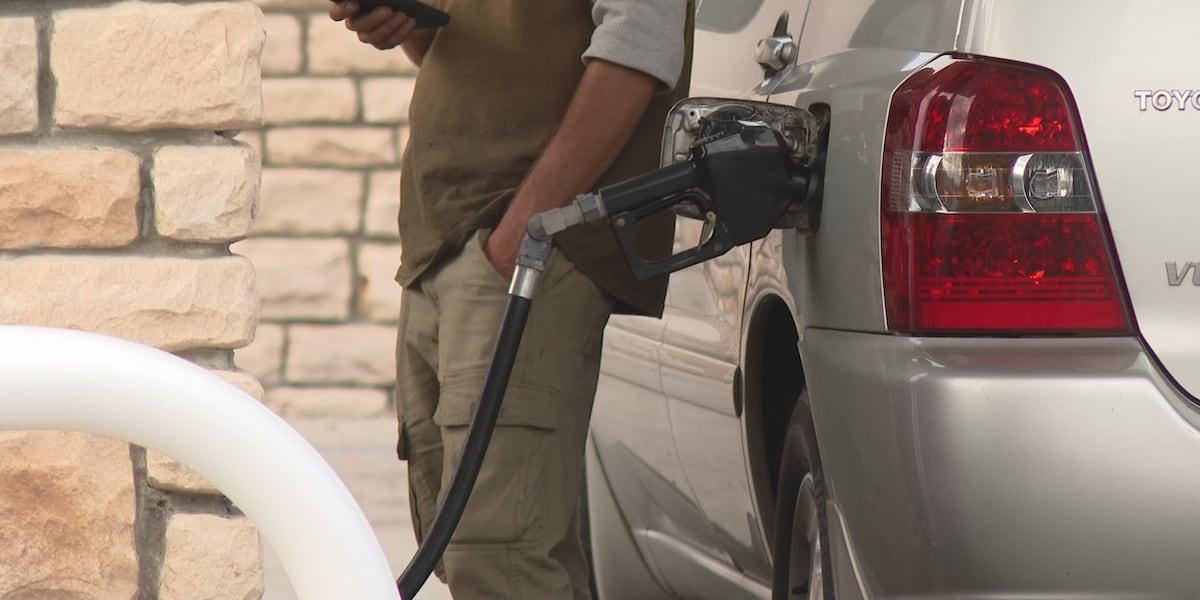
First there’s the cost to become a licensed driver. In some states, this requires that a person pay for a driver safety class, a knowledge exam, and a driving exam, plus all surcharges and fees associated with getting the actual license. (This is to say nothing of the cost, in time and energy, of navigating the bureaucracy of it all.) Then there’s the cost of the car, which typically involves a person taking on debt, if it’s a new car. Next is the cost of insurance—mandatory and often pointless, since insurers will find any excuse not to pay for what they’ve insured. There’s the cost of licensing and registering the car, the cost of fuel, the cost of maintenance. There are toll costs and parking costs and traffic law violation costs.
That’s not all. Those are just the direct costs, what a car owner has to pay to own and operate a car; but there are more and higher costs to cars and a civilization built to accommodate them than any one car owner can pay. Costs like:
- The cost of space. Cars need roads to drive on and lots to park in, so we cut through forests, blast through mountains, fill in wetlands, and pave over everything.
- The cost of health. Millions are killed in car crashes every year; more millions are seriously injured. Even more millions are exposed to harmful emissions that, over time, increase the likelihood of developing significant health complications.
- The cost of climate change. All those engines guzzle down fossil fuel and spew out greenhouse gases that have already changed our world’s climate in dramatic ways, making life on this planet more difficult and more dangerous for most humans.
People who visit or live in other countries know that something different is possible. We could prioritize public transit. We could make it easy and convenient and safe and affordable for all of us to get to and from where we need to go on a daily basis. We only have to reject the (incomplete, misleading, untrue) story we’ve been told about cars in this country.
A car isn’t freedom.
A car is a burden.
Let’s try something else.