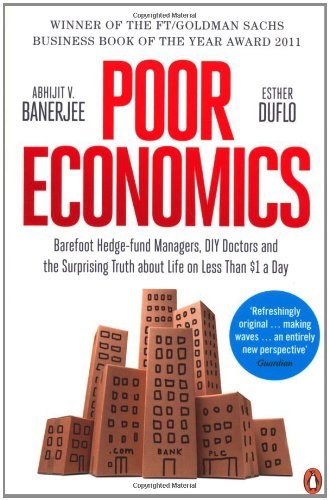
Poor Economics
Douban
Abhijit Banerjee
/
Esther Duflo
publishing house:
Penguin
2012
- 3
This title is winner of the FT Goldman Sachs Business Book of the Year Award 2011. Why would a man in Morocco who doesn't have enough to eat buy a television? Why do the poorest people in India spend 7 percent of their food budget on sugar? Does having lots of children actually make you poorer? This eye-opening book overturns the myths about what it is like to live on very little, revealing the unexpected decisions that millions of people make every day. Looking at some of the most paradoxical aspects of life below the poverty line - why the poor need to borrow in order to save, why incentives that seem effective to us may not be for them, and why, despite being more risk-taking than high financiers, they start businesses but rarely grow them - Banerjee and Duflo offer a new understanding of the surprising way the world really works.