民族志
Staged Seduction
Douban
Akiko Takeyama publishing house: Stanford University Press 2016 - 3
In the host clubs of Tokyo's Kabuki-chō red-light district, ambitious young men seek their fortunes by selling love, romance, companionship, and sometimes sex to female consumers for exorbitant sums of money. Staged Seduction reveals a world where all intimacies and feigned feelings are fair game for the hosts who employ feathered bangs, polished nails, fine European suits, and the sensitivity of the finest salesmen to create a fantasy for wealthy women seeking an escape from the everyday. Akiko Takeyama's investigation of this beguiling underground "love business" provides an intimate window into Japanese host clubs and the lives of hosts, clients, club owners, and managers. The club is a place where fantasies are pursued and the art of seduction isn't merely about romance; a complex set of transactions emerges. Like a casino of love, the host club is a site of desperation, aspiration, and hope, in which both hosts and clients are eager to roll the dice. Takeyama reveals the aspirational mode not only of the host club, but also of a Japanese society built on the commercialization of aspiration, seducing its citizens out of the present and into a future where hopes and dreams are imaginable—and billions of dollars can be made.
Autoethnography as Method
Douban
Heewon Chang publishing house: Routledge 2009 - 6
This methods book will guide the reader through the process of conducting and producing an autoethnographic study through the understanding of self, other, and culture. Readers will be encouraged to follow hands-on, though not prescriptive, steps in data collection, analysis, and interpretation with self-reflective prewriting exercises and self-narrative writing exercises to produce their own autoethnographic work. Chang offers a variety of techniques for gathering data on the self―from diaries to culture grams to interviews with others―and shows how to transform this information into a study that looks for the connection with others present in a diverse world. She shows how the autoethnographic process promotes self-reflection, understanding of multicultural others, qualitative inquiry, and narrative writing. Samples of published autoethnographies provide exemplars for the novice researcher to follow.
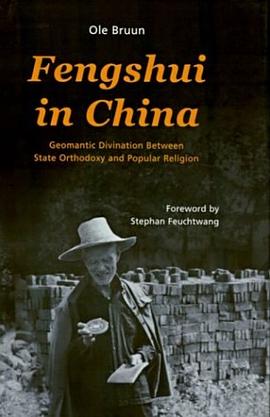
Fengshui in China
Douban
Ole Bruun publishing house: University of Hawaii Press 2003 - 3
For well over a century, Chinese fengshui, or "geomancy," has interested Western laymen and scholars. Today, hundreds of popular manuals claim to use its principles in their advice on how people can increase their wealth, happiness, longevity, and so on. This study is quite different, approaching fengshui from an academic angle. The focus is on its significance in China, but the recent history of its reinterpretation in the West is also depicted. The author argues that fengshui serves as an alternative tradition of cosmological knowledge, which is used to explain a range of everyday occurrences in rural areas, such as disease, mental disorders, accidents, and common mischief. The study includes a historical account of fengshui over the last 150 years augmented by the results of anthropological fieldwork on contemporary practices in two Chinese rural areas.
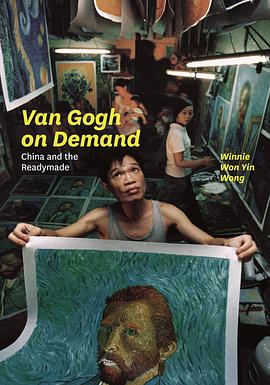
Van Gogh on Demand
Douban
Winnie Won Yin Wong publishing house: University Of Chicago Press 2014 - 2
In a manufacturing metropolis in south China lies Dafen, an urban village that famously houses thousands of workers who paint van Goghs, Da Vincis, Warhols, and other Western masterpieces for the world market, producing an astonishing five million paintings a year. To write about work and life in Dafen, Winnie Wong infiltrated this world, first investigating the work of conceptual artists who made projects there; then working as a dealer; apprenticing as a painter; surveying wholesalers and retailers in Europe, East Asia and North America; establishing relationships with local leaders; and organizing a conceptual art exhibition for the Shanghai World Expo. The result is Van Gogh on Demand, a fascinating book about a little-known aspect of the global art world—one that sheds surprising light on the workings of art, artists, and individual genius. Confronting big questions about the definition of art, the ownership of an image, and the meaning of originality and imitation, Wong describes an art world in which idealistic migrant workers, lofty propaganda makers, savvy dealers, and international artists make up a global supply chain of art and creativity. She examines how Berlin-based conceptual artist Christian Jankowski, who collaborated with Dafen’s painters to reimagine the Dafen Art Museum, unwittingly appropriated the work of a Hong Kong-based photographer Michael Wolf. She recounts how Liu Ding, a Beijing-based conceptual artist, asked Dafen “assembly-line” painters to perform at the Guangzhou Triennial, neatly styling himself into a Dafen boss. Taking the Shenzhen-based photojournalist Yu Haibo’s award-winning photograph from the Amsterdam's World Press Photo organization, she finds and meets the Dafen painter pictured in it and traces his paintings back to an unlikely place in Amsterdam. Through such cases, Wong shows how Dafen’s painters force us to reexamine our preconceptions about creativity, and the role of Chinese workers in redefining global art. Providing a valuable account of art practices in an ascendant China, Van Gogh on Demand is a rich and detailed look at the implications of a world that can offer countless copies of everything that has ever been called “art.”
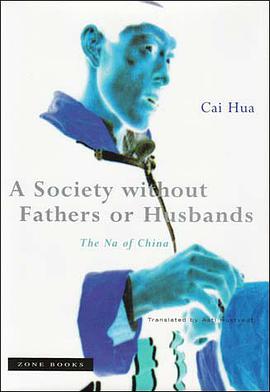
A Society without Fathers or Husbands
Douban
Cai Hua translator: Asti Hustvedt publishing house: Zone Books 2008 - 7
The Na of China, farmers in the Himalayan region, live without the institution of marriage. Na brothers and sisters live together their entire lives, raising the women’s children. Since, like other societies, the Na respect the incest prohibition, they practice a system of furtive or conspicuous night visits during which a man goes to a woman’s home. In addition to spending long periods of time with the Na, Cai Hua has analyzed numerous historical Chinese documents. He presents us with a lucid, fascinating monograph that shows how a society can function without fathers or husbands. In light of Na ethnography, he leads the reader toward a new reflection on the nature of marriage and family — long the objects of circular reasoning in sociological analyses. Since the inception of humankind’s interest in the diversity of its cultures, this is the first time an anthropologist has encountered a society whose structure differs totally from that of other societies throughout the rest of the world. This discovery is likely to provoke fundamental changes in the way we look at social life and human behavior.
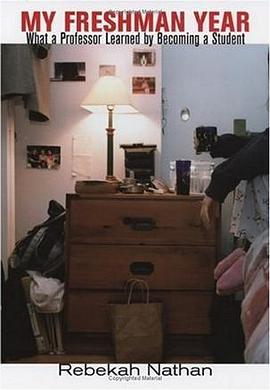
My Freshman Year
Douban
Rebekah Nathan publishing house: Cornell University Press 2005 - 8
After more than fifteen years of teaching, Rebekah Nathan, a professor of anthropology at a large state university, realized that she no longer understood the behavior and attitudes of her students. Fewer and fewer participated in class discussion, tackled the assigned reading, or came to discuss problems during office hours. And she realized from conversations with her colleagues that they, too, were perplexed: Why were students today so different and so hard to teach? Were they, in fact, more likely to cheat, ruder, and less motivated? Did they care at all about their education, besides their grades? Nathan decided to put her wealth of experience in overseas ethnographic fieldwork to use closer to home and apply to her own university. Accepted on the strength of her high school transcript, she took a sabbatical and enrolled as a freshman for the academic year. She immersed herself in student life, moving into the dorms and taking on a full course load. She ate in the student cafeteria, joined student clubs, and played regular pick-up games of volleyball and tag football (sports at which the athletic fifty-something-year-old could hold her own). Nathan had resolved that, if asked, she would not lie about her identity; she found that her classmates, if they were curious about why she was attending college at her age, never questioned her about her personal life. Based on her interviews and conversations with fellow classmates, her interactions with professors and with other university employees and offices, and her careful day-to-day observations, My Freshman Year provides a compelling account of college life that should be read by students, parents, professors, university administrators, and anyone else concerned about the state of higher education in America today. Placing her own experiences and those of her classmates into a broader context drawn from national surveys of college life, Nathan finds that today's students face new challenges to which academic institutions have not adapted. At the end of her freshman year, she has an affection and respect for students as a whole that she had previously reserved only for certain individuals. Being a student, she discovers, is hard work. But she also identifies fundamental misperceptions, misunderstandings, and mistakes on both sides of the educational divide that negatively affect the college experience. By focusing on the actual experiences of students, My Freshman Year offers a refreshing alternative to the frequently divisive debates surrounding the political, economic, and cultural significance of higher education—as well as a novel perspective from which to look at the achievements and difficulties confronting America's colleges and universities in the twenty-first century.
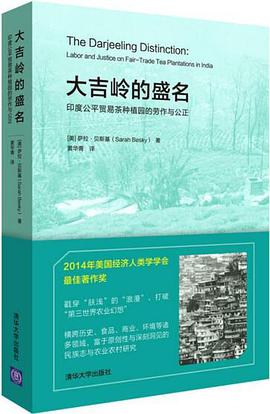
大吉岭的盛名
The Darjeeling Distinction: Labor and Justice on Fair-Trade Tea Plantations in India Douban
Sarah Besky translator: 黄华青 publishing house: 清华大学出版社 2019 - 1
基于爲期31个月的民族誌田野调查,作者介绍了在大吉岭因爲茶而翻天复地的变化里,凸显的农业生产与消费全球化后产生的问题。通过目睹、倾听、研究,作者描述了地理标誌、公平贸易或大吉岭地区的廓尔喀独立运动等很少被提及的细节。这些看似高举“正义”大纛的行动,迴避了大吉岭当地因爲全球产业链的茶叶生产消费所导致的“道义经济”(moral economy)崩解,这也导致公衆对今日大吉岭茶产业中的不正义“视而不见”——这正是书中最核心的批判。
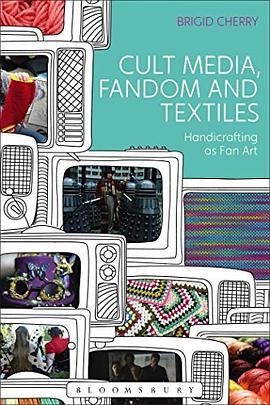
Cult Media, Fandom, and Textiles: Handicrafting as Fan Art
Douban
This book is the first to explore handicrafting practiced by media fans, their online fan communities and the multiple meanings they create. Based on in-depth ethnographic research into fans on the online social network for knitters, crocheters and crafters, Ravelry, Brigid Cherry explores textile craft by fans as both an artistic practice and transformative fan work. Including case studies of projects inspired by Doctor Who, True Blood, Firefly, Harry Potter, Sherlock and steampunk, the book engages with many forms of fan production, including fan art, fan fiction and cosplay. Fans of popular films and TV shows are increasingly engaging with textile crafts as a way of reworking, reimagining and engaging with cult media texts. Proving a global phenomenon amongst fan cultures in the digital media sphere, traditional film and TV audiences are forging their fan identities and participating in wider fan communities in innovative ways through online craft forums and blogs that showcase their knitting, crochet, spinning and dyeing projects. Exploring key debates from textile and media theory, surrounding gender, domesticity, the culture industries, audiences and fan culture, this book is essential reading for students of textiles, media studies, fashion, cultural and gender studies.
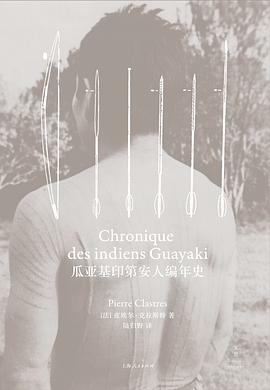
瓜亚基印第安人编年史
Chronique des indiens Guayaki Douban
★ 9.0 35 ratings
[法]皮埃尔·克拉斯特 translator: 陆归野 publishing house: 上海人民出版社 2021 - 9
★ 比肩《忧郁的热带》,击败时间的民族志书写 ★ 作者师从法国国宝级人类学家克洛德·列维-斯特劳斯 ★ 美国当代小说大师保罗·奥斯特翻译本书英文版并作序推荐 我相信,你简直无法不爱上这本书。 作者写作时的慎重与耐心,观察之犀利,其中的幽默,思维之严谨与书中的悲悯——这些 品质相得益彰,共同造就了这部重要又令人难忘的著作。这是一个人经历的真实故事,提出的都是最根本性的问题:一个人类学家是如何得知信息的,两种文化之间会进行什么样的交易,人们会在什么样的情况下保守秘密? 在为我们刻画这个未知的文明时,克拉斯特的写作带着优秀小说家的狡黠。他对细节的关注一丝不苟、无比精确;而他那种将自己的思想融汇为胆大又自洽的论点的能力往往令人称奇。他是那种极为少见的、毫不犹豫就采取第一人称写作的学者,而最终的成果不仅仅是一幅他所研究的民族的肖像,也是一幅他本人的自画像。 —— 保罗·奥斯特 -------------------------------------- 与南美丛林中最后的食人部落一同生活,见证出生、成年、婚配、死亡、节日、祭祀…… 浸入瓜亚基人的生活与头脑,真挚发问: 人类能不能放弃追求一切,告别惶惶不可终日, 拒绝屈服权力,也拒绝过度生产,更从容、自由、坚定地生活,摆脱外部世界的束缚? -------------------------------------- 瓜亚基人,一群生活在巴拉圭密林中的印第安人。他们以打猎、采集为生,有自己的语言、风俗与社会制度。16世纪起,西方殖民者和当地居民一道,不断占领、吞食他们生活的领地,他们躲避、抗争、流亡、被“安置”……到了20世纪60年代末,这个部落的人口已不足三十。 1963年,本书作者、法国人类学家皮埃尔·克拉斯特在瓜亚基人被安置于定居点后进入了这个部落,与他们一同生活,对他们在生育、死亡、饮食、求偶、部落管理、性向认同、劳动分工等方面进行了细致入微的观察和书写。 在书中,克拉斯特直面瓜亚基人的残忍、习俗之状况,以及他们缓慢的衰亡。这是一种充满人情味的民族志书写,情感充溢全篇:克拉斯特于瓜亚基人一同经历了生育、成年、死亡与逃亡;它也是一种客观的民族志,摈弃了一切道德偏见:面对瓜亚基人的吃人风俗,卡拉斯特并没有止步于猎奇与惊叹,而给予他们最大程度的理解。 法国著名哲学家吉尔·德勒兹面对这部作品,感叹道:“这本奇妙的著作标志了一种新型民族学的开端:它富于感性、积极于行动,又充满政治性;它是‘种族大屠杀’一词彻底的对立面。”
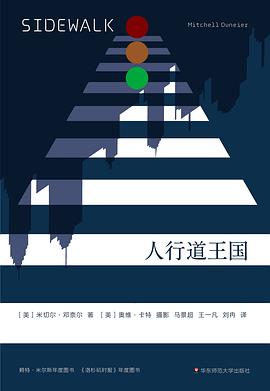
人行道王国
Sidewalk Douban
★ 9.0 47 ratings
[美]米切尔·邓奈尔 translator: 马景超 / 刘冉 … publishing house: 华东师范大学出版社 2019 - 3
社会学界最高奖项 赖特·米尔斯奖 《洛杉矶时报》年度图书 全球各院校社科课程 阅读书目 《街角社会》作者 威廉·怀特力荐—— “《人行道王国》延续了参与式观察的最佳传统。如果我仍在教书,我会让我所有的学生读读这本书。” · 一部深刻、复杂、感人的纪实作品 猛地将你从自己 的生活经验中拉出来,然后扔向另一个世界。 充满社会道义的关怀、顾虑和尊敬。 · ⊹内容简介⊹ 人行道的秩序、安全来自何处?怎样的人行道,才能维系个体的尊严,让人们拥有更好的城市生活? · 本书关注在街头讨生活的人。他们在街上摆摊、睡觉、捡垃圾,游走在法律边缘,看似制造了混乱和威胁。但社会学家米切尔通过长达5年的参与式观察,深入街头人的生命世界,解释了人行道生活的社会结构和日常互动的逻辑。他提出,在街头谋生的人,实则借由在人行道上创造性地寻求生存空间,生成了一套非正式社会控制体系,维系着人行道的秩序和安全;而他们也得以“诚实谋生”,扭转自己的人生。米切尔提醒城市治理者,以及任何一位想要理解城市复杂生活的人,非正式经济和社会生活有巨大的、无可替代的价值,同时也不必然在审美上令人不悦。这有助于我们反思社会治理的局限,和城市生活更人性化的可能。 ∞ 《人行道王国》作为一个关于街道精神生活的重要研究,还包含了 社会学研究方法的详细说明和深刻反思 普利策奖得主奥维·卡特70余幅田调照片 街头书贩,一位研究对象,亲自书写的后记 · 这部迷人的研究揭示了今日都市生活的复杂性:它的活力、它的秩序和矛盾,以及它为陌生人提供共情的神奇可能。 · ⊹学界和媒体界力荐⊹ 一部读起来鼓舞人心,细看之下观点饱满的作品。在民族志被陈词滥调所威胁的当下,《人行道王国》重新燃起我们对民族志的热情,打开崭新的可能。 ——乔治·E.马库斯,美国著名人类学家,《写文化》合著者 · 《人行道王国》延续了参与式观察的最佳传统。如果我仍在教书,我会让我所有的学生读读这本书。 ——威廉·怀特,《街角社会》作者,美国艺术和科学研究院院士 · 对都市生活问题的探究方式令人激动且深具原创性,信息量以长年累月密集的参与观察和对社会科学的深入理解为支撑。没人能如此成功地融合理论和关于城市街道的私密知识。田野调查中的大师之作。 ——霍华德·S.贝克,美国著名社会学家,符号互动论和标签理论的代表人物 · 邓奈尔绝对是这个时代杰出的民族志作家之一:他向我们呈现一个通常不为人所知的街道世界。这是一部深刻的、复杂的、感人的著作,猛地将你从自己的生活经验中拉出来,然后扔向另一个世界。 ——萨斯基雅·萨森,著名人类学家 · 人行道将会彻底改变我们对“公共空间”的想法。 ——罗宾·D.G.凯利,美国历史学家 · 我认为这部具有示范意义的民族志会成为一代又一代读者的读物。整本书显示出充满社会道义的关怀、顾虑和尊敬。邓奈尔用理论来理解和阐述他的观察,而非为了自己。就像所有经典的田野工作者那样,他心胸开放,会学习,会改变,而这正是民族志经验所带来的。 ——琼·卡塞尔,美国人类学家,执教于华盛顿大学 · 《人行道》是一场学识盛宴,会激励每一个学生。我将它用作我都市研究课程的阅读书目,并作为社会学入门的关键阅读材料。——哈维·莫罗奇(Harvey Molotch),美国著名社会学家 · 一部关于纽约格林尼治村贫穷街头摊贩的研究著作,细致入微……加深我们对种族、贫穷的理解,以及让我们明白我们都是如何对待他们的。 ——《科克斯书评》 ——————————————————————————— 《人行道王国》在普林斯顿大学、纽约大学等一系列课程中均属优秀的延伸教材: · 社会学入门:这本书能告诉你如何在微观和宏观之间创造重要的联结;如何做一个研究项目;社会学如何能改变常识。 · 都市研究:公共空间如何被男人和女人、黑人和白人、富人和穷人利用且争夺,以及街头生活和政治经济结构如何交互发生作用。 · 研究方法:民族志如何书写;本书附有一份对方法论的详细说明,并以研究对象之一哈基姆·哈桑的文章作为后记。 · 越轨行为:针对无家可归者的处理方式如何成为标签化的过程;质问政策中的“破窗”理论。 · 法律和社会:近距离检视正式和非正式社会控制之间的关系。 · 文化人类学:《人行道王国》纳入了当下对方法发展中的丰富命题,包括再现、书写和正当性;延续艾略特·列堡的传统,讨论了亘久不衰的问题:不平等的社会和文化经验;一部对美国边缘群体文化的生动研究。 · 文化研究:摊贩和拾荒者如何利用文化知识在公共空间中生存。
Screen Shots
Douban
Rebecca L. Stein publishing house: Stanford University Press 2021 - 6
在过去的二十年里,随着智能手机在全球范围内的普及,国家对平民的杀戮越来越多地被旁观者和警察的相机所捕捉。《屏幕快照》一书以以色列对巴勒斯坦的占领为背景来研究这一现象。丽贝卡·斯坦恩(Rebecca Stein)发现:相机——作为政治工具,在包括巴勒斯坦活动家、以色列士兵、犹太定居者和人权工作者在内的广泛的行动者和机构之中激增。所有人都将镜头对准了以色列的国家暴力,并被一个共同的梦想所驱动:以更近、更快、更清晰为特征的数码摄影将推动他们各自的政治议程。但是,丽贝卡认为大多数人会感到失望。根据民族志调查,她记录了寻求正义的巴勒斯坦视频活动家(video-activists)、努力完善军队形象的以色列士兵,以及指责巴勒斯坦人“装死”的犹太复国主义阴谋论者。斯坦恩在书中反驳了技术乐观主义,通过揭示相机梦想和幻灭,她呈现了以色列和巴勒斯坦的殖民现状,以及智能手机时代权力和斗争条件的变化。——结绳志 In the last two decades, amid the global spread of smartphones, state killings of civilians have increasingly been captured on the cameras of both bystanders and police. Screen Shots studies this phenomenon from the vantage point of the Israeli occupation of Palestinian territories. Here, cameras have proliferated as political tools in the hands of a broad range of actors and institutions, including Palestinian activists, Israeli soldiers, Jewish settlers, and human rights workers. All trained their lens on Israeli state violence, propelled by a shared dream: that advances in digital photography―closer, sharper, faster―would advance their respective political agendas. Most would be let down. Drawing on ethnographic work, Rebecca L. Stein chronicles Palestinian video-activists seeking justice, Israeli soldiers laboring to perfect the military's image, and Zionist conspiracy theorists accusing Palestinians of "playing dead." Writing against techno-optimism, Stein investigates what camera dreams and disillusionment across these political divides reveal about the Israeli and Palestinian colonial present, and the shifting terms of power and struggle in the smartphone age.
The Making of a Human Bomb
Douban Goodreads
Nasser Abufarha publishing house: Duke University Press 2009 - 7 other title: The Making of a Human Bomb: An Ethnography of Palestinian Resistance
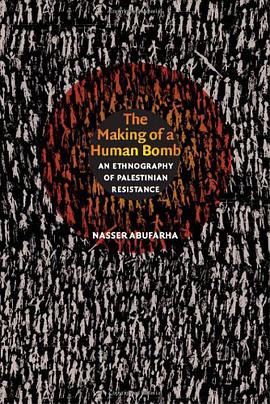
In "The Making of a Human Bomb", Nasser Abufarha, a Palestinian anthropologist, explains the cultural logic underlying Palestinian martyrdom operations (suicide attacks) launched against Israel during the Al-Aqsa Intifada (2000-06). In so doing, he sheds much-needed light on how Palestinians have experienced and perceived the broader conflict. During the Intifada, many of the martyrdom operations against Israeli targets were initiated in the West Bank town of Jenin and surrounding villages. Abufarha was born and raised in Jenin. His personal connections to the area enabled him to conduct ethnographic research there during the Intifada, while he was a student at a U.S. university. Abufarha draws on the life histories of martyrs, interviews he conducted with their families and members of the groups that sponsored their operations, and examinations of Palestinian literature, art, performance, news stories, and political commentaries. He also assesses data - about the bombers, targets, and fatalities caused - from more than two hundred martyrdom operations carried out by Palestinian groups between 2001 and 2004. Some involved the use of explosive belts or the detonation of cars; others entailed armed attacks against Israeli targets (military and civilian) undertaken with the intent of fighting until death. In addition, he scrutinized suicide attacks executed by Hamas and Islamic Jihad between 1994 and 2000. In his analysis of Palestinian political violence, Abufarha takes into account Palestinians' understanding of the history of the conflict with Israel, the effects of containment on Palestinians' everyday lives, the disillusionment created by the Oslo peace process, and reactions to specific forms of Israeli state violence. "The Making of a Human Bomb" illuminates the Palestinians' perspective on the conflict with Israel and provides a model for ethnographers seeking to make sense of political violence.
Caravan of Martyrs
Douban
David B. Edwards publishing house: University of California Press 2019 - 4
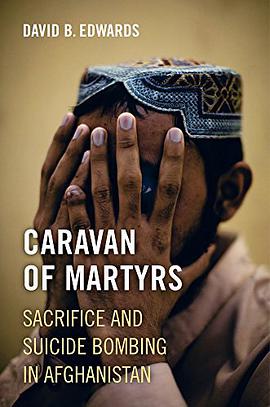
What compels a person to strap a vest loaded with explosives onto his body and blow himself up in a crowded street? Scholars have answered this question by focusing on the pathology of the “terrorist mind” or the “brainwashing” practices of terrorist organizations. In Caravan of Martyrs, David Edwards argues that we need to understand the rise of suicide bombing in relation to the cultural beliefs and ritual practices associated with sacrifice. Before the war in Afghanistan began, the sacrificial killing of a sheep demonstrated a tribe’s desire for peace. After the Soviet invasion of 1979, as thousands of people were killed, sacrifice took on new meanings. The dead were venerated as martyrs, but this informal conferral of status on the casualties of war soon became the foundation for a cult of martyrs exploited by political leaders for their own advantage. This first repurposing of the machinery of sacrifice set in motion a process of mutation that would lead nineteen Arabs who had received their training in Afghanistan to hijack airplanes on September 11 and that would in time transform what began as a cult of martyrs created by a small group of Afghan jihadis into the transnational scattering of suicide bombers that haunts our world today. Drawing on years of research in the region, Edwards traces the transformation of sacrifice using a wide range of sources, including the early poetry of jihad, illustrated martyr magazines, school primers and legal handbooks, martyr hagiographies, videos produced by suicide bombers, the manual of ritual instructions used by the 9/11 hijackers, and Facebook posts through which contemporary “Talifans” promote the virtues of self-destruction.
Losing Afghanistan
Douban
Noah Coburn publishing house: Stanford University Press 2016
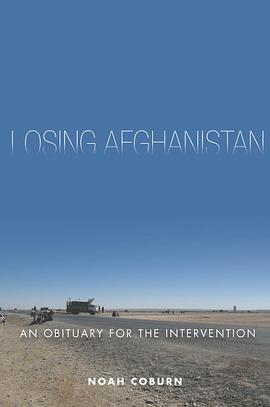
The U.S.-led intervention in Afghanistan mobilized troops, funds, and people on an international level not seen since World War II. Hundreds of thousands of individuals and tens of billions of dollars flowed into the country. But what was gained for Afghanistan—or for the international community that footed the bill? Why did development money not lead to more development? Why did a military presence make things more dangerous? Through the stories of four individuals—an ambassador, a Navy SEAL, a young Afghan businessman, and a wind energy engineer—Noah Coburn weaves a vivid account of the challenges and contradictions of life during the intervention. Looking particularly at the communities around Bagram Airbase, this ethnography considers how Afghans viewed and attempted to use the intervention and how those at the base tried to understand the communities around them. These compelling stories step outside the tired paradigms of 'unruly' Afghan tribes, an effective Taliban resistance, and a corrupt Karzai government to show how the intervention became an entity unto itself, one doomed to collapse under the weight of its own bureaucracy and contradictory intentions.
斯瓦特巴坦人的政治过程
Political Leadership among Swat Pathans Douban
[挪威] 弗雷德里克·巴特 translator: 黄建生 publishing house: 上海人民出版社 2005 - 3
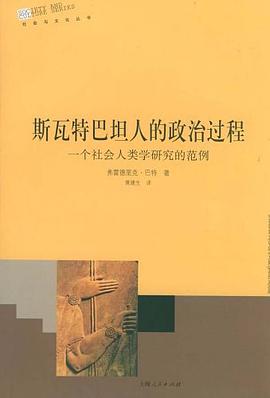
本书是人类学田野调查的经典之作,自1959年初版以来,已经十余数重版,在英国、美国、加拿大等多个国家出版。作者弗雷德里克.巴特是社会人类学的前辈,他50年代在斯瓦特(现阿富汗、巴基斯坦边境)这一相对独立、闭塞的地区作了周详的实地调查,书中描述了该地区各社会群体的关系,包括血缘的、政治的、宗教的关系及其政治互动过程的基本政治结构。更重要的是,作者建立起一个用于分析复杂的日常生活现象的理论模型,提供了一套人类学研究方法,即从微观层次的观察来发现其与宏观层次间的联系,并研究宏观层次的理论问题。
流动之城
Floating City Douban
素德•文卡特斯(Sudhir Venkatesh) translator: 李斌 publishing house: 中国人民大学出版社 2021 - 4
纽约是一个同时拥有着高峰和低谷的城市。在这个城市中,富有的精英、绝望的移民和贫困的当地人共享着生活的社区。弥合这一鸿沟的是纽约的地下经济。这是一个隐形的非法贫富交易网络,它将整个城市秘密地编织在一起。 哥伦比亚大学颇负盛名的社会学家素德•文卡特斯深入街头,将纽约悬殊的经济世界中的各个要素联结在一起。他将自身深深植根在这个被探索的秘密世界中,密切关注被锁定在地下经济中的多名纽约人。通过作者对毒贩、妓女、社会名流、移民及学者的大量访谈,本书将地下经济视为社会转型和城市繁荣的引擎,揭示出了纽约鲜为人知的图景。 本书呈现的是作者穿越纽约地下经济这一“巨大而无形的大陆”的旅程。它为我们展示了一个与我们的生活平行存在的世界,这个世界正蓬勃发展,但对于我们而言却是陌生的、难以想象的。打开本书,跟着社会学家了解跌宕起伏的人物故事,感受名符其实的“纽约折叠”。
田野调查策略
Les politiques de l'enquête. Épreuves ethnographiques Douban Eggplant.place
[法]迪迪埃·法桑 / [法]阿尔邦·班萨 translator: 刘文玲 publishing house: 商务印书馆 2020 - 9
如果说曾经有一段时间,民族志是一种自然现象,那么现在情形已经改变了。正是在这种已经消失的幻觉当中诞生了这本书的思想。这本书不是惋惜已经逝去的幻觉,不是为一个仅存在于人类学家想象当中的时代感到遗憾,也不是为人类学多次预言的灭亡勾勒它的年代史,而是要从中掌握人类学的认识论、伦理尤其是政治方面的教育。“田野调查”是以研究人员走进他的研究对象“土著人”生活当中,进行观察为基础,这是保证研究方法的科学性和掌握基础知识的惯例。在研究不同社会当中,这自然是一个非常珍贵的优势。“田野调查”这个词远没有体现出长期以来赋予它在认识论上的透明度、伦理方面的明显性和以及政治领域保持中立性的品质。希望人们能够重新认识田野工作所提出的问题,予以关注,从中汲取对人类学地位、对调查关系性质以及社会科学在居民区的态度产生的影响所取得的经验,这肯定是一件好事。 本书以在三个大洲(欧洲,美洲和非洲)的经验性调查为基础,深入到各个角落和领域,从威尼斯的街区到新喀里多尼亚村庄、从精神病诊所到道德稽查队、从机场外国人扣押区到巴黎排外政治会议,本书向研究人员提出了很多的问题:调查者的性别、偏见、情感、承担的任务等如何影响人们对所研究的社会或者说社会结构的理解?被调查者的期待、需求及所持的观念如何改变人类学和社会学的认知? 本书分三部分,汇集了15篇论文。第一部分集中关注田野调查关系和形象塑造对所研究社会认识的影响;第二部分试图理解田野调查的局限性及其意义;第三部分讨论田野调查受其研究对象影响的方式。
A Precarious Game
Douban
Ergin Bulut publishing house: ILR Press 2020 - 5
A Precarious Game is an ethnographic examination of video game production. The developers that Ergin Bulut researched for almost three years in a medium-sized studio in the U.S. loved making video games that millions play. Only some, however, can enjoy this dream job, which can be precarious and alienating for many others. That is, the passion of a predominantly white-male labor force relies on material inequalities involving the sacrificial labor of their families, unacknowledged work of precarious testers, and thousands of racialized and gendered workers in the Global South. A Precarious Game explores the politics of doing what one loves. In the context of work, passion and love imply freedom, participation, and choice, but in fact they accelerate self-exploitation and can impose emotional toxicity on other workers by forcing them to work endless hours. Bulut argues that such ludic discourses in the game industry disguise the racialized and gendered inequalities on which a profitable transnational industry thrives. Within capitalism, work is not just an economic matter, and the political nature of employment and love can still be undemocratic even when based on mutual consent. As Bulut demonstrates, rather than considering work simply as a matter of economics based on trade-offs in the workplace, we should consider the question of work and love as one of democracy rooted in politics.
Ethnography for the Internet
Douban
Hine Christine publishing house: Bloomsbury 2015 - 1
The internet has become embedded into our daily lives, no longer an esoteric phenomenon, but instead an unremarkable way of carrying out our interactions with one another. Online and offline are interwoven in everyday experience. Using the internet has become accepted as a way of being present in the world, rather than a means of accessing some discrete virtual domain. Ethnographers of these contemporary internet-infused societies consequently find themselves facing serious methodological dilemmas: where should they go, what should they do there and how can they acquire robust knowledge about what people do in, through and with the internet? This book presents an overview of the challenges faced by ethnographers who wish to understand activities that involve the internet. Suitable for both new and experienced ethnographers, it explores both methodological principles and practical strategies for coming to terms with the definition of field sites, the connections between online and offline and the changing nature of embodied experience. Examples are drawn from a wide range of settings, including ethnographies of scientific institutions, television and social media, and locally-based gift-giving networks.