Reid
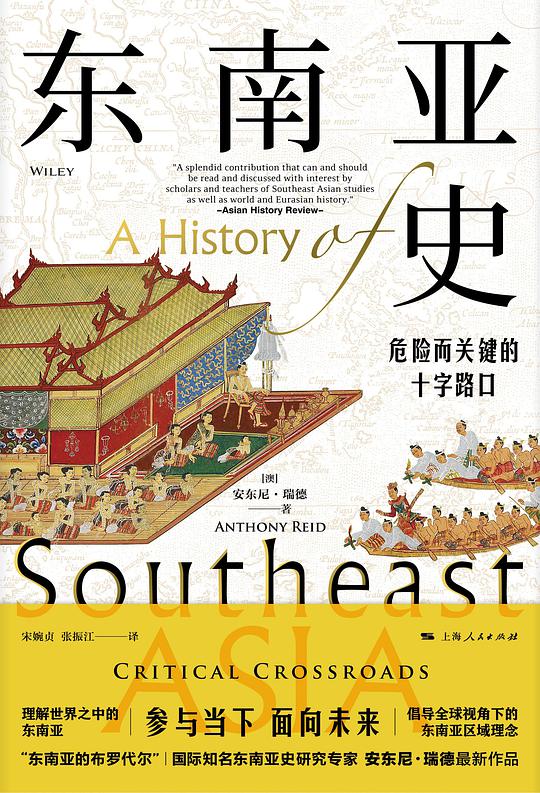
东南亚史
A History of Southeast Asia: Critical Crossroads Douban
[澳]安东尼·瑞德 translator: 宋婉贞 / 张振江 publishing house: 上海人民出版社 2021 - 11
----------------内容简介 世界上很少有地方比东南亚这个文化多样的地区拥有更复杂的历史。《东南亚史:危险而关键的十字路口》展现了一部全面的、单卷本的东南亚通史:从它与农业、冶金和宗教的接触,到今天构成这一地区的十个现代国家的出现。当今东南亚史研究第一人、历史学家安东尼·瑞德打破传统的殖民主义和民族主义叙事,强调东南亚人民对国家地位的追求是其决定性特征。他将主要焦点转移到与当地居民更相关的因素上,如环境、宗教、社会、文化、人口、健康和思想变化,全面又丰富地描述了该地区复杂而微妙的历史。 -----------------编辑推荐 参与现在,打造未来。讲述一部横跨2000年的东南亚历史,一部与环境共生的自我成长史,一部“世界十字路口”的多元文明发展史。 “东南亚的布罗代尔”、东南亚史研究第一人安东尼·瑞德 最新作品 获2016年“专业与学术卓越奖”(PROSE)人文社科类荣誉奖 -----------------媒体评论 本书的众多优点之一是作者能够将这一地区涵盖的两千年时间分解,以引导读者穿越空间和时间。该书以直截了当、不拘一格的风格写成,非专业读者也能读懂,并且审慎地选择了一些引文来使历史更加鲜活。 ——澳大利亚国际事务研究所(Australian Institute of International Affairs) 了解东南亚地区的历史不仅仅是一个知识性的好奇心问题,而且还具有相当大的现实意义。尽管本书有教科书般的外观,但也具有明显的可读性;既成功地对这个复杂的地区进行了言简意赅的综述,同时又提供了大量迷人的、耐人寻味的细节。 ——《亚洲图书评论》(Asian Review of Books) 主题分类的方法、解释性的洞见、有用的书目以及几乎是百科全书式的丰富信息,这些都使瑞德的《东南亚史》成为其他学者异常宝贵、甚至不可或缺的资源和参考书。 ——《亚洲研究评论》(Asian Studies Review)
To read May 2, 2022
Reid
东南亚的贸易时代 1450-1680年 (第二卷)
Southeast Asia in the Age of Commerce, 1450-1680 Douban
[澳]安东尼·瑞德 translator: 孙来臣 / 李塔娜 … publishing house: 商务印书馆 2013 - 10
本书致力于探讨贸易时代东南亚地理、物质和社会的结构性概况,探讨上述背景下所发生的、年鉴学派所说的中时段运动与短时段运动。在资料允许的范围内,笔者集中关注那些最能影响一般平民百姓的特征和变迁,而对那些被史家大书特书的王公贵族和外国显要则着墨不多。
Read
June 15, 2020
2016.8.16 | 190118
Reid
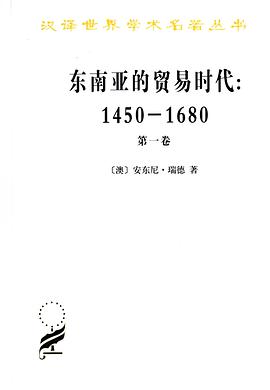
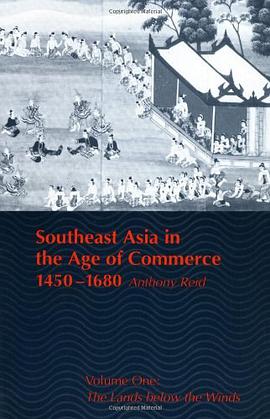
东南亚的贸易时代 1450-1680年 (第一卷)
Southeast Asia in the Age of Commerce 1450-1680 Douban
★ 10.0 5 ratings
[澳]安东尼·瑞德 translator: 吴小安 / 孙来臣 publishing house: 商务印书馆 2013 - 10
本书致力于探讨贸易时代东南亚地理、物质和社会的结构性概况,探讨上述背景下所发生的、年鉴学派所说的中时段运动与短时段运动。在资料允许的范围内,笔者集中关注那些最能影响一般平民百姓的特征和变迁,而对那些被史家大书特书的王公贵族和外国显要则着墨不多。
To read Aug. 14, 2016
2016.8.16
Reid
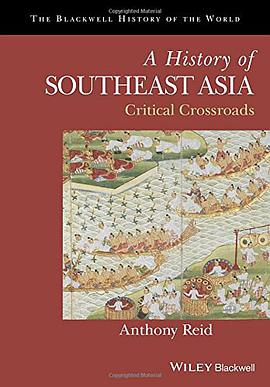
A History of Southeast Asia
Douban Goodreads
Anthony Reid publishing house: Wiley-Blackwell 2015 - 6
A History of Southeast Asia: Critical Crossroads presents a comprehensive history of Southeast Asia from our earliest knowledge of its civilizations and religious patterns up to the present day. * Incorporates environmental, social, economic, and gender issues to tell a multi-dimensional story of Southeast Asian history from earliest times to the present * Argues that while the region remains a highly diverse mix of religions, ethnicities, and political systems, it demands more attention for how it manages such diversity while being receptive to new ideas and technologies * Demonstrates how Southeast Asia can offer alternatives to state-centric models of history more broadly
Southeast Asia in the Age of Commerce, 1450-1680
Douban
Anthony Reid publishing house: Yale University Press 1995 - 9
From 1450 to 1680, when the Renaissance and early capitalism were transforming Europe, changes were occuring in Southeast Asia. Volume one explored the physical, material, cultural and social structures of the region; this volume focuses on the changes that defined the Age of Commerce as a period.
To read April 2, 2014
Reid
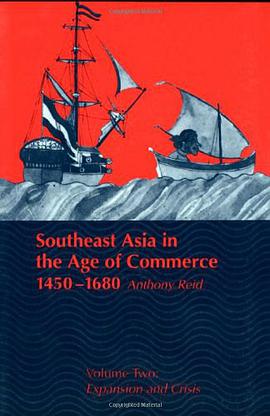
Southeast Asia in the Age of Commerce, 1450-1680
Douban
Reid, Anthony publishing house: Yale Univ Pr 1990 - 9
Between the fifteenth and the mid-seventeenth centuries, when the Renaissance and early capitalism were transforming Europe, changes no less dramatic were occurring in Southeast Asia. This diverse tropical region was integrated into a global trade system, while trade-based cities came to dominate its affairs. Its states became more centralized and absolutist, and its people adopted scriptural faiths of personal morality. The pace of these changes finds parallels only in our own era. Anthony Reid has analyzed and vividly portrayed this Southeast Asian Age of Commerce in two volumes. The first volume, published in 1988 to great acclaim, explored the physical, material, cultural, and social structures of the region. The concluding volume focuses on the profound changes that defined the Age of Commerce as a period. The spice trade that animated the global boom of the sixteenth and early seventeenth centuries made possible revolutionary changes in urbanization, commercialization, state structure, and belief. Islam, Christianity, and Theravada Buddhism made rapid gains in alliance with the new states. Reid discerns common ground between these developments and the forces transforming Europe and Japan but identifies particular limitations on the growth of private capital and the stability of states in Southeast Asia. A final chapter explores the crisis in the mid-seventeenth century that disengaged Southeast Asians from the world economy for the next three centuries.
To read Jan. 23, 2014
Reid