纪录片

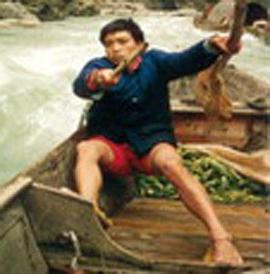
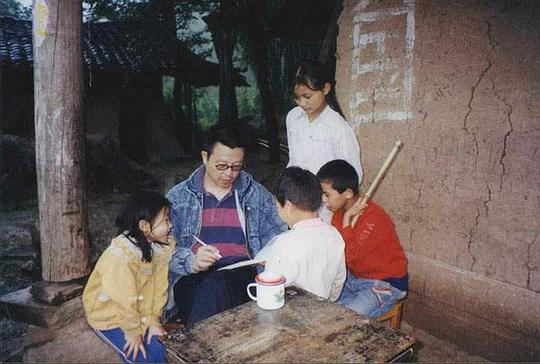

回家 (1996)
Douban
王海兵
王海兵,1956年12月出生,四川电视台国际部副主任,高级记者。1982年毕业于北京广播学院电视系摄影专业,是著名的电视纪录片制作人。
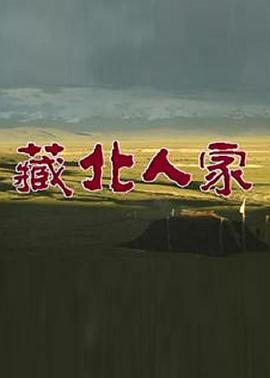
代表作“三家”(《藏北人家》1991年、《深山船家》1993年、《回家》1995年)曾连续三届获四川国际电视节“金熊猫”大奖(两次)和“提名奖”(一次);并三次入围法国国际音像节,获一项“评委会特别提名奖”(《回家》);还入围蒙特卡洛电视节、英国自然银幕电影节、法国环境电影节、葡萄牙电视节、巴西里约电视节等,并在美国风城纪录片电影节、意大利波波利电影节上展映。从业以来,计有六十多件作品八十多次获省级以上奖励,其中全国以上奖励五十多项,曾两次获“中国新闻奖”;两次获全国电视新闻特等奖;两次获全国电视专题节目一等奖;还获得中国电视“金鹰奖”优秀长篇纪录片奖;少数民族题材“骏马奖”;获全省电视节目一等奖共21项。新近推出3小时15分长篇纪录片《山里的日子》,入围罗马尼亚阿斯特拉人类学文献记录电影。
《回家》曾经入选戛纳,记录的是人与动物之间的故事。故事的主角是一只即将放归自然的大熊猫,几位保护大熊猫的救助站的平凡工作者。镜头中的人与自然的关系,质朴、和谐而美丽。

Happy Valley (2009)
喜洋塘 TMDB Douban
other title:
喜洋塘
The inhabitants of the village of Xi Yang Tang lead lives of extreme poverty and hardship. The children spend most of their time looking after their little brothers and sisters, and helping their parents with everyday chores.


Cocco的无止尽之旅 (2008)
大丈夫であるように Cocco 終らない旅 Douban
other title:
大丈夫であるように Cocco 終らない旅
/
Daijôbu de aruyô ni: Cocco owaranai tabi
Cocco,本名真喜志智子,是一个出生在日本冲绳的女孩,她平凡消瘦的身体内蕴含着对生活无比的热情与率真。音乐有如生命和灵魂的自白,曾引领她走向事业的辉煌,也让她与这烦扰浮躁的商品社会中体味过诸多的落寞。经过5年的蛰伏,Cocco带着对音乐、绘画以及生命的那份执著重返歌坛。2008年,一封来自冲绳大浦湾的信引起了Cocco的关注,这里即将成为新的美军基地,而自古以来便栖息在岛屿之间的儒艮(海牛)则面临着家园被毁、濒临灭绝的困境。Cocco以此创作了歌曲《望见儒艮的山丘》,并积极为了儒艮的生存环境而呼号奔走。
导演是枝裕和,以不加修饰的镜头记录下这个女孩心灵的旅程……
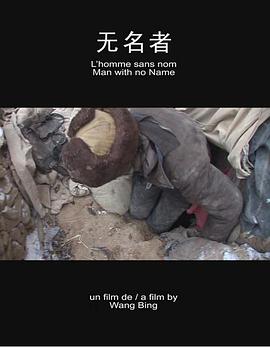
Man With No Name (2009)
无名者 TMDB Douban
other title:
无名者
/
L'Homme sans nom
…
The character of this story lives far from the worlds of the material and the spirit. He has built his own subsistence conditions. He often goes to the neighboring villages, although he doesn’t communicate with other people. He collects some waste but doesn’t beg. He prowls about the ruins of deserted villages, as an animal or as a ghost. Under double political and economical pressure, most of people are depriving of their last dignity into a world where it exists a lack of material and spirit. But a human being stays a human being. He is looking for reasons to continue to live. —Wang Bing
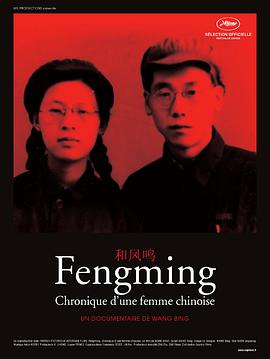

Coal Money (2009)
L'Argent du charbon TMDB Douban
other title:
煤钱
/
L'Argent du charbon
…
On the coal road linking the Shanxi mines with the large port of Tianjin, in northern China, the drivers of 100-ton trucks shuttle endlessly to and from, day and night. On the roadside: prostitutes, cops, petty racketeers, garage owners, mechanics.
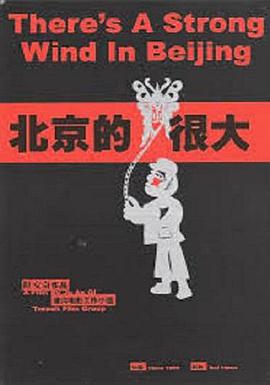
There's a Strong Wind in Beijing (2001)
北京的风很大 IMDb TMDB Douban
雎安奇
other title:
北京的风很大
/
北京的風很大
Documentary giving a sense of the feelings and attitudes of the residents of Beijing.

Street life (2006)
南京路 IMDb TMDB Douban
赵大勇
other title:
南京路
/
Street Life
Street Life documents the lives of Chinese migrants in Shanghai, one of the world’s largest and most vibrant cities, now symbolic of China’s economic might. The film centers on Nanjing Road, one of China’s oldest commercial streets and today a popular destination for tourists and moneyed Chinese. The street has also become a Mecca for uprooted and homeless Chinese, who make ends by collecting garbage and recyclables. These characters and their stories are the focus of the film. The central character in Street Life is a migrant known as “Black Skin.” Black Skin faces numerous pressures in the course of the film, including police violence. In the end, these pressures are too much for him to bear and he goes mad. Black Skin’s story intersects with those of fellow bottle collectors, enterprising thieves and even a young boy who has been abandoned.

神鹿呀,我们的神鹿 (1996)
Douban
孙曾田
actor:
柳芭
/
熊成华
…
other title:
Fading Reindeer Bell
柳芭是世代生活在兴安岭山林中的鄂温克人,这个民族自古有饲养驯鹿的习俗,其中的神鹿更是象征了鄂温克民族的起落与兴衰。她的外婆是一位萨满法师,这位充满悲剧色彩的老人每救一条性命,便要相应失去家族内一位男性亲人的性命。某天,爱跳爱唱的柳芭终于走出森林,考取了中央民族大学,毕业后成为呼和浩特某出版社的编辑。然而都市生活让从小生长在灵性之地柳芭倍感压抑,失去青梅竹马的伤痛更令其难以承受。最终,柳芭逃回了森林,但她很快便痛苦地发现,经过城市钢筋水泥的磨蚀,她已经无法适应家乡的生活。她就如同一个无根的灵魂,哀伤痛苦,四处漂泊……
后续:2003年,结婚生子的柳芭溺死在家边的河中,42岁。本片荣获1998年德国柏林人类学电影节评委会奖、1998年第七届上海国际电视节评委会特别奖、1998年中国纪录片学会一等奖。
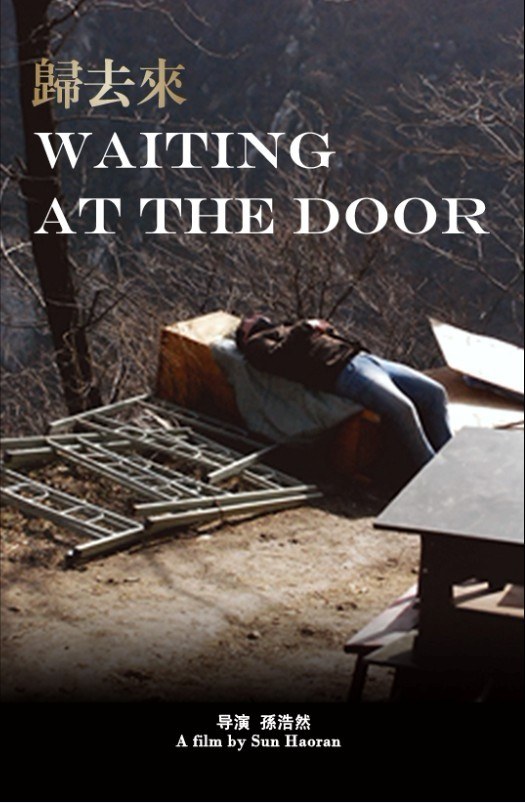
Waiting at the door (2011)
Douban
孙浩然
other title:
归去来
陕西终南山的一个村子里,住着一些和尚道士,还有不愿搬下山的村民,政府已经决定要开发这里的消息早就传开了,但是拆迁之前,山上来了一个诗人。诗人还带来了一群学生,他们有的刚刚退学,有的只是来看看。 离开城市的生活,是一种逃避,还是一种勇敢?他们将遇到怎样的生活?
http: //

我无处安放的青春 (2012)
Douban
沈洁
actor:
海二
other title:
年轻的无产阶级
/
二
…
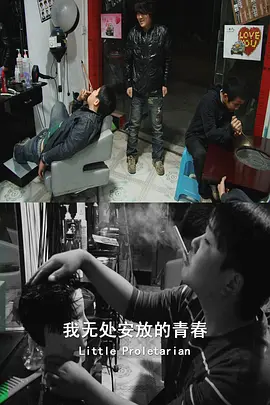
海二14岁,被学校开除。终日在乡镇上东游西荡、泡发廊、帮小弟打架,或是三五成群骑摩托疯飙,常被其父体罚训斥。他被当地派出所盘问过,接触曾蹲过看守所者及混社会者,并开始骚动着想去城市混社会。
Shen Jie’s Little Proletarian is a powerful documentary portrait of Hai, a 14-year-old troublemaker growing up in a small town in southwest China’s Guizhou Province. Hai gets kicked out of school for his mischievous antics—stealing, smoking, getting into fights, the usual. Called a “good for nothing” and a “loser” by his parents, he spends his days storming the town with his teenage motorcycle gang, drinking and joking with his hooligan friends under the fluorescent lights of the local hair salon, and dreaming big about one day becoming a “boss.” Rejecting his father’s countless attempts to discipline him, Hai takes off for the big city. From the dimly lit interiors of weathered wooden houses to the country landscapes that fly by on motorcycles, Shen Jie’s camerawork illuminates a social world in rural China that is seldom seen by outsiders. The director’s intimate connection to his native Guizhou also offers a rare glimpse at the everyday lives and coming of age of China’s “post-90s” generation. Little Proletarian vividly represents the violent struggles for day-to-day survival in an out-of-the-way place, and yet remains attuned to the comical absurdity and awkward humor of teenage life.
Balance (2000)
Douban
彭辉
actor:
奇卡·扎巴多杰
/
杨欣
other title:
平衡
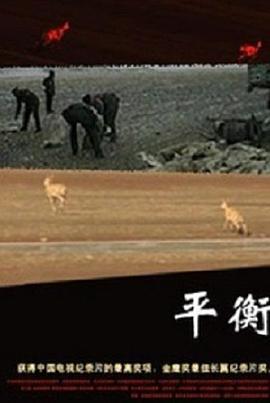
《平衡》是近几年来国内比较优秀的纪录片,一部现实主义作品,作者彭辉用了3年时间来记录,又浓缩在70分钟内播出,使大家感受到了时间空间和事件的震撼力,这是时空张力和对客观再现的综合表现。此片获得中国电视纪录片的最高奖项:金鹰奖最佳长篇纪录片奖。
全片没有一句解说词,这在其他纪录片中是不多见的。而事实上,在这部纪录片中,解说词也是多余的。开头为我们展现了广袤的青藏高原,接着是巍巍的昆仑山脉,最后出现在屏幕上的是“可可西里”无人区,也就是本片拍摄地点。奔跑着的藏羚羊,滑翔着的斑头雁,寥寥几笔为观众点出了这个世界第三大无人区,野生动物的天堂,更是藏羚羊家园的“可可西里”。以此作为之后片中表现“西部野牦牛队” 保护藏羚羊及其他种种问题设下铺垫。没有多余的画面与解释,简洁有力而大气。
片中使用了少量音乐,大多是自然音响。风声贯穿全片,在平均海拔5000米的高原上,即便用了防风罩,依然抵不住肆虐的大风,真实直接地表现了西部野牦牛队的工作环境。在环保主义者杨欣过生日片段中,大家为他学唱生日歌也是自然音响之一,毫不粉饰的音响带来了体现情感的最佳效果。
主人公扎巴多杰坐在卓乃湖前对着镜头讲述。他让我们知道了“索南达杰”,西部工委第一任队长,同18名盗猎者搏斗而牺牲。因此,扎巴多杰自愿请命成为“西部野牦牛队”队长,来到可可西里进行艰苦的工作。片中引用了故事片《索南达杰》的片断,把现实中索南达杰牺牲时,冻僵的躯体仍保持着握枪姿势的情形同演员再现的情形一同展现给观众,带来更大的震撼。这也是片中的一个亮点,对观众来说,会牢牢记住这一细节。
除此之外,片中还引用了一些资料,例如,偷拍的藏羚羊绒围巾交易现场、5000美金一条、800公斤羊绒来自中国等数据增强了作品的表现力,强调了“反盗猎”的必要性。也突出“平衡”这一主题。
导演彭辉也是幸运的,因为扎巴多杰本人就是个具有相当震撼力的人物,并且善于表达,他的个人魅力足以打动每个人。在镜头前,他毫不掩饰,非常直接自然地表达一切,对盗猎者强烈的愤慨,对政府某些官员的指责,对自己工作的执着。很多信息是通过扎巴多杰的表述传达给观众,这是此片很重要的一个构成部分。