读过 Don Quixote 🌕🌕🌕🌕🌑
堂吉诃德是骑士小说的最后一口气,但与其说它是骑士小说,不如说是对骑士小说的戏剧化的嘲讽……书中的主角骑士,老朽体弱且神志不清的堂吉诃德,与传统意义上英俊强壮的骑士形象大相径庭,而他的随从,愚钝又多嘴的桑丘,也绝非人们想象中的骑士随从。故事情节本身并无新意甚至很老土——当然要求一本400多年前的小说“有新意”才不太对劲……长达1000页的作品中,堂吉诃德坚定地追求着他的正义和骑士精神,桑丘虽然对这个疯疯癫癫的主子的精神状态有所怀疑,但也始终坚守着忠诚。对于这种疯和执拗,作者的本意恐怕是取笑,前半本书中的种种轶事也确实引人发笑,哪怕两人意外“出名”也是因为成了众人的笑柄,然而进行到后半本,基调蓦然忧伤起来,尤其是堂吉诃德死前重获清醒,十分后悔此前的举动,以至于告诫自己的侄女千万不能和读骑士小说走火入魔的人结婚,塞万提斯恐怕也不曾想到在骑士文学早已入土为安的今天,屡战屡败的堂吉诃德却依然生机勃勃,谁又能想到这个滑稽的骑士和他的风车巨人在400年后的今天会成为理想主义的英雄,而在出差路上听完这本大部头的我,也有幸体验了和堂吉诃德一起踏上冒险征程的神奇经历。
Book
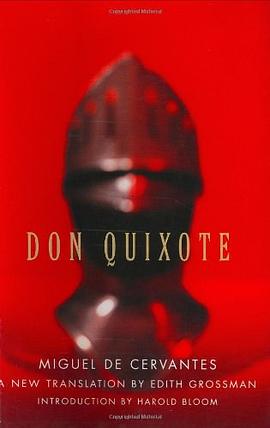
Don Quixote
Douban
Cervantes Saavedra, Miguel de/ Grossman, Edith/ Bloom, Harold
translator:
Grossman, Edith
publishing house:
Harpercollins
2003
- 10
Edith Grossman's definitive English translation of the Spanish masterpiece. Widely regarded as the world's first modern novel, and one of the funniest and most tragic books ever written, "Don Quixote" chronicles the famous picaresque adventures of the noble knight-errant Don Quixote of La Mancha and his faithful squire, Sancho Panza, as they travel through sixteenth-century Spain. Unless you read Spanish, you've never read "Don Quixote." "Though there have been many valuable English translations of "Don Quixote, " I would commend Edith Grossman's version for the extraordinarily high quality of her prose. The Knight and Sancho are so eloquently rendered by Grossman that the vitality of their characterization is more clearly conveyed than ever before. There is also an astonishing contextualization of Don Quixote and Sancho in Grossman's translation that I believe has not been achieved before. The spiritual atmosphere of a Spain already in steep decline can be felt throughout, thanks to her heightened quality of diction. Grossman might be called the Glenn Gould of translators, because she, too, articulates every note. Reading her amazing mode of finding equivalents in English for Cervantes's darkening vision is an entrance into a further understanding of why this great book contains within itself all the novels that have followed in its sublime wake." From the Introduction by Harold Bloom Miguel de Cervantes was born on September 29, 1547, in Alcala de Henares, Spain. At twenty-three he enlisted in the Spanish militia and in 1571 fought against the Turks in the battle of Lepanto, where a gunshot wound permanently crippled his left hand. He spent four more years at sea and then another five as a slave after being captured by Barbary pirates. Ransomed by his family, he returned to Madrid but his disability hampered him; it was in debtor's prison that he began to write "Don Quixote." Cervantes wrote many other works, including poems and plays, but he remains best known as the author of "Don Quixote." He died on April 23, 1616.