
Edited 1y ago
wetland

1 of 2 These two tiny frogs were photographed less than a minute apart and within a metre or few. As different as they look (next post), I think they are both Boreal Chorus Frogs Pseudacris maculata (the ones that sing in ponds in the spring).Fast little critters+ crappy photos..lol
This is in wetland area on the farm just outside the acreage.
#frogs #nature #wetland #BorealForest #cute #photography



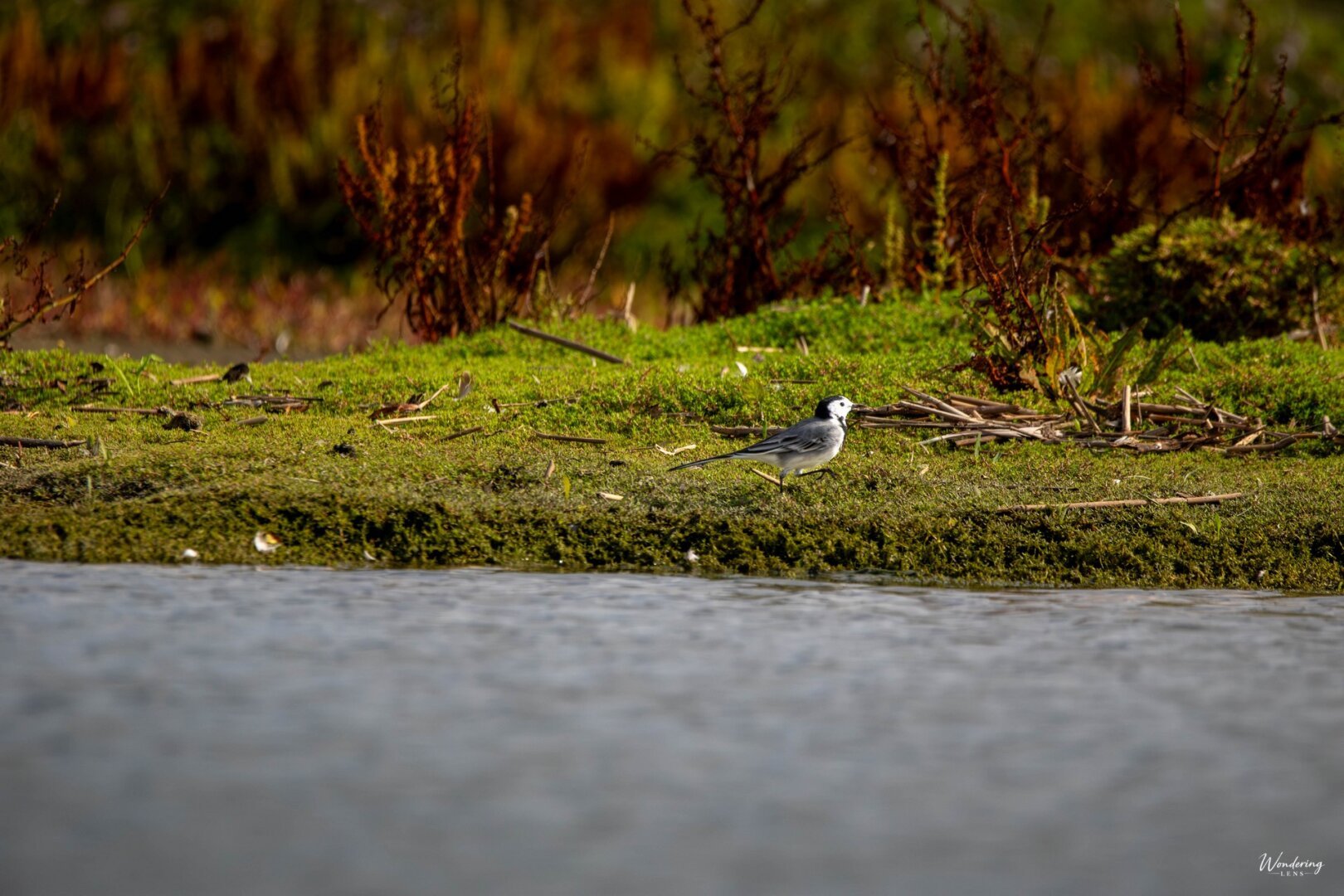
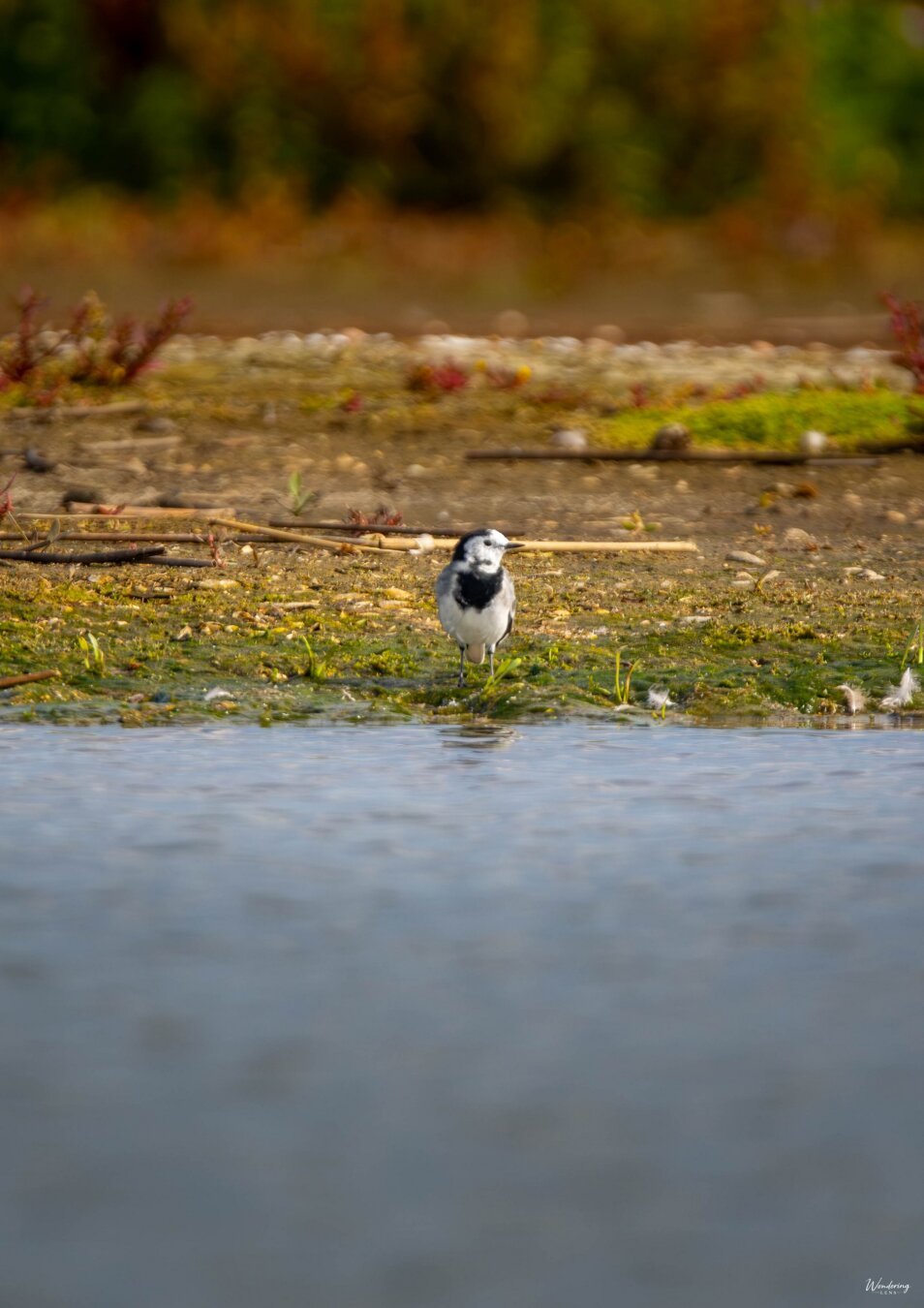
A Wagtail at Marker Wadden
Last Monday started with a little more stress than I had planned.
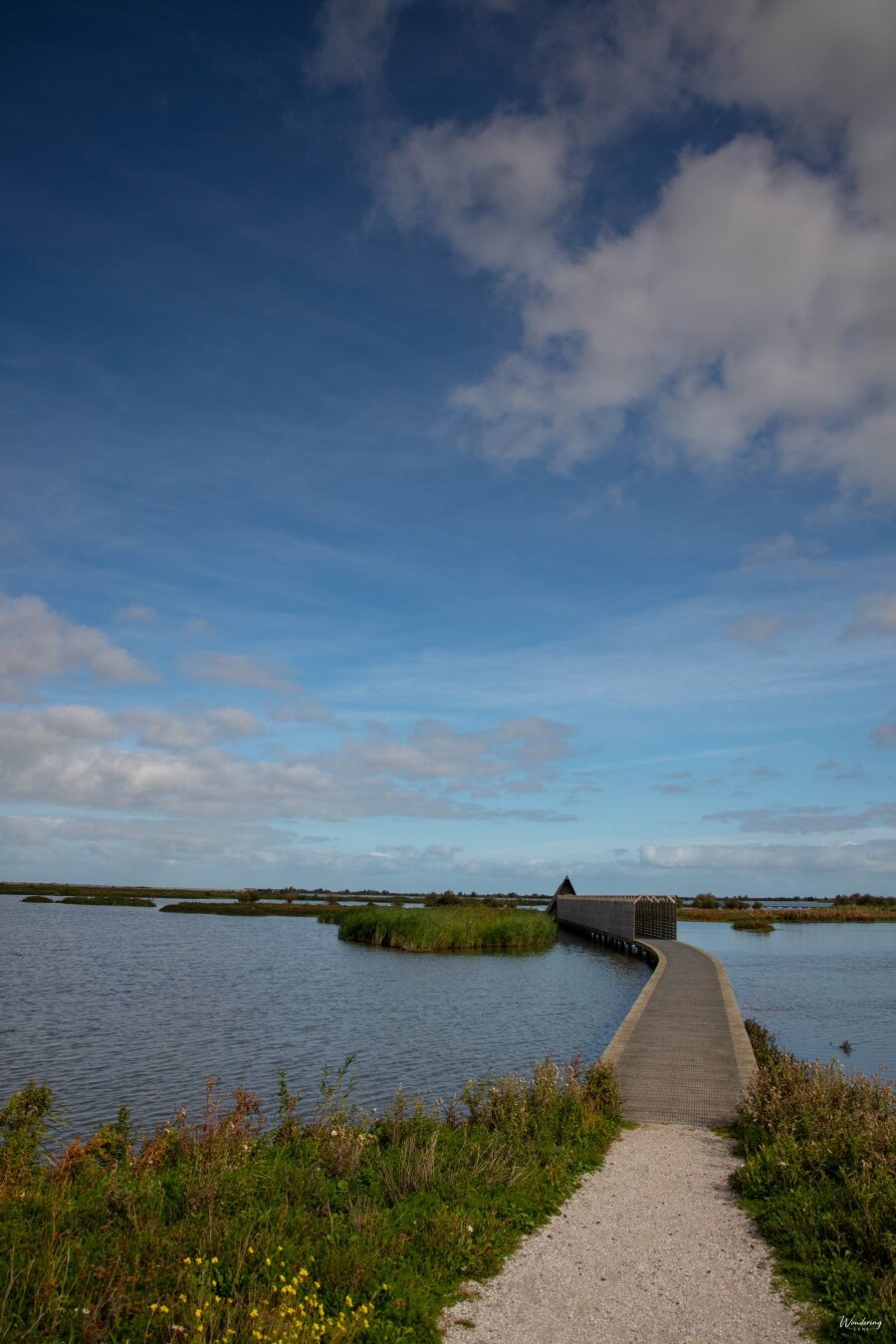
My father-in-law invited me to Marker Wadden, the remarkable new nature archipelago in the Markermeer. It is one of the Netherlands' most unusual nature-restoration projects: islands built largely from sand, clay and silt dredged from the lake itself. Material that had accumulated and contributed to the ecological problems of the Markermeer is being given a new purpose—creating islands, shallow water, marshes and natural shores where life can develop again.
Getting there was an adventure in itself.
It was Monday morning, rush hour, roadworks everywhere, and about 140 kilometres to drive. We had originally planned to leave two hours before the boat. When I checked the traffic forecast that morning, I decided that wouldn't be enough.
So I left even earlier.
And somehow, despite all that extra time, we arrived with one minute to spare. O.o
Once aboard the boat, I could finally relax.
The islands were quiet during this time of year, and there weren't nearly as many birds as we had hoped. But sometimes one encounter is enough.
From a partially submerged viewing point, I spotted this little wagtail working along the water's edge, searching for food. I got down low and photographed it almost at water level, letting the lake become part of the image.
I chose my Canon 7D Mark II with the Sigma 100–400mm for the trip. The crop sensor effectively gave me the field of view of roughly a 160–640mm lens, giving me that extra reach without carrying something larger.
I came home with three images from that viewpoint.
This was my favourite.
#MarkerWadden #Wagtail #Kwikstaart #NaturePhotography #BirdPhotography #BirdsOfTheNetherlands #DutchNature #NetherlandsPhotography #Markermeer #WildlifePhotography #Canon7DMarkII #Sigma100400 #SigmaPhotography #NatureAndScience #Ecology #Wetland #DutchLandscape #Wildlife #Photography #WonderingLens #ByMaikeldeBakker #MaikeldeBakkerPhotography
Last Monday started with a little more stress than I had planned.
My father-in-law invited me to Marker Wadden, the remarkable new nature archipelago in the Markermeer. It is one of the Netherlands' most unusual nature-restoration projects: islands built largely from sand, clay and silt dredged from the lake itself. Material that had accumulated and contributed to the ecological problems of the Markermeer is being given a new purpose—creating islands, shallow water, marshes and natural shores where life can develop again.
Getting there was an adventure in itself.
It was Monday morning, rush hour, roadworks everywhere, and about 140 kilometres to drive. We had originally planned to leave two hours before the boat. When I checked the traffic forecast that morning, I decided that wouldn't be enough.
So I left even earlier.
And somehow, despite all that extra time, we arrived with one minute to spare. O.o
Once aboard the boat, I could finally relax.
The islands were quiet during this time of year, and there weren't nearly as many birds as we had hoped. But sometimes one encounter is enough.
From a partially submerged viewing point, I spotted this little wagtail working along the water's edge, searching for food. I got down low and photographed it almost at water level, letting the lake become part of the image.
I chose my Canon 7D Mark II with the Sigma 100–400mm for the trip. The crop sensor effectively gave me the field of view of roughly a 160–640mm lens, giving me that extra reach without carrying something larger.
I came home with three images from that viewpoint.
This was my favourite.
#MarkerWadden #Wagtail #Kwikstaart #NaturePhotography #BirdPhotography #BirdsOfTheNetherlands #DutchNature #NetherlandsPhotography #Markermeer #WildlifePhotography #Canon7DMarkII #Sigma100400 #SigmaPhotography #NatureAndScience #Ecology #Wetland #DutchLandscape #Wildlife #Photography #WonderingLens #ByMaikeldeBakker #MaikeldeBakkerPhotography
A Bird of Prey!
During our guided tour of Marker Wadden, I was listening to our guide.
Mostly. >.>
Because even when someone is explaining what makes a landscape special, the photographer part of my brain doesn't really switch off. I'm always looking around. What's moving? What's flying? What just changed in the corner of my eye?
And then I pointed upwards.
“Look! A bird of prey!”
That was as far as my identification skills went at that particular moment. ^.-
I quickly raised my Canon 7D Mark II with the Sigma 100–400mm and managed to get a few photographs before the bird moved on.
Only afterwards, when I zoomed in on the camera, could I properly investigate what I'd actually photographed.
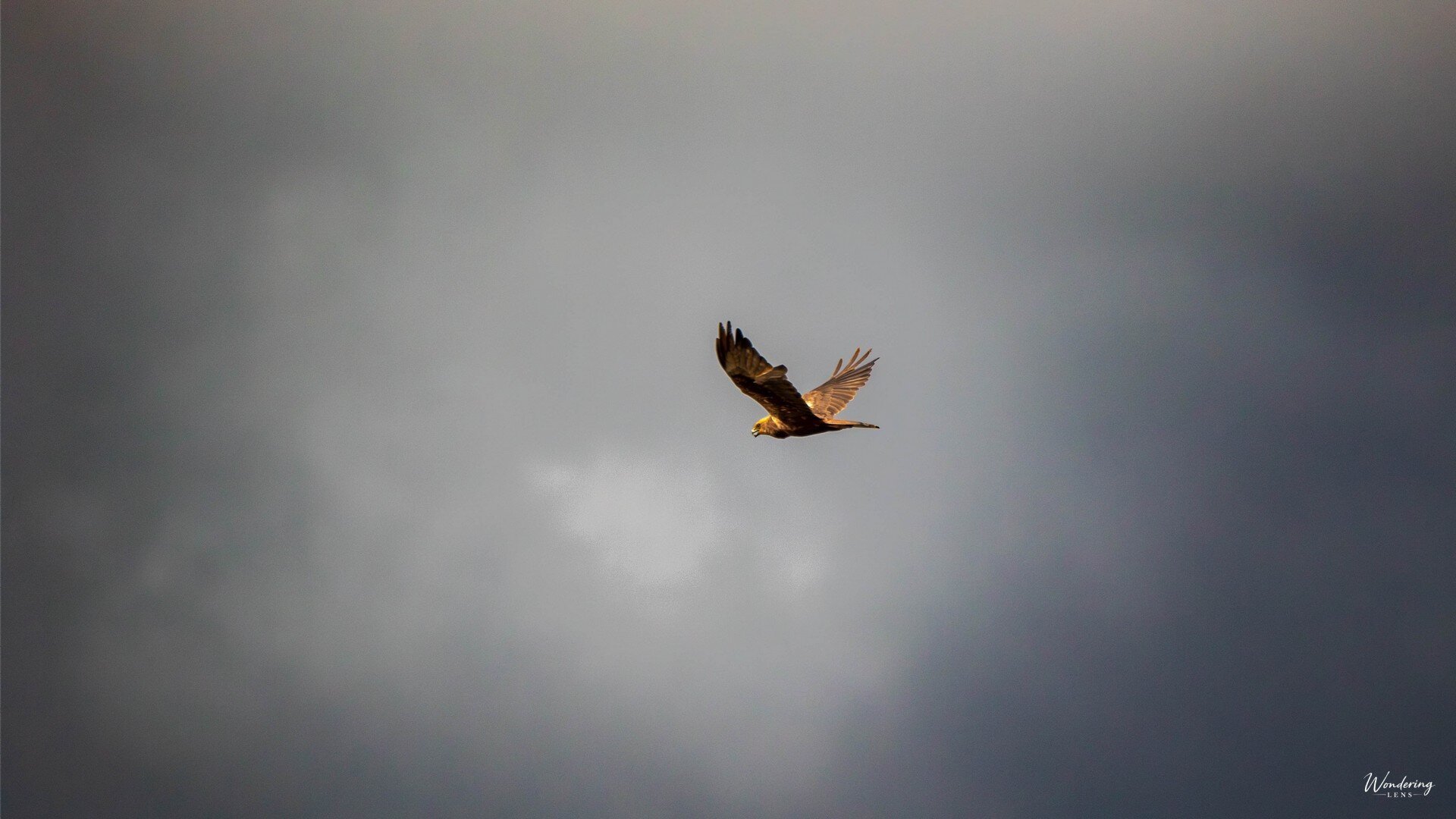
A **Western marsh harrier** (*Circus aeruginosus*), or *bruine kiekendief* in Dutch.
It was a particularly appropriate bird to find here. Western marsh harriers are closely associated with wetlands, marshes and reedbeds, exactly the kind of habitats that Marker Wadden is creating.
That is one of the things I find fascinating about this place. The islands may have been constructed by people, but once you create the right conditions, nature starts writing its own story.
And apparently, sometimes you have to interrupt the guide for a moment to notice it happening above your head.
I may not have known what bird it was when I pressed the shutter.
But at least I knew it was worth photographing.
#WesternMarshHarrier #CircusAeruginosus #BruineKiekendief #MarkerWadden #Markermeer #BirdOfPrey #BirdPhotography #BirdsOfTheNetherlands #DutchNature #NaturePhotography #WildlifePhotography #Birdwatching #Wetland #WetlandBirds #NatureRestoration #NewNature #BuildingWithNature #Ecology #NetherlandsPhotography #DutchLandscape #Canon7DMarkII #Sigma100400 #SigmaPhotography #NatureAndScience #Wildlife #Photography #WonderingLens #ByMaikeldeBakker #MaikeldeBakkerPhotography #MaikyNisute
During our guided tour of Marker Wadden, I was listening to our guide.
Mostly. >.>
Because even when someone is explaining what makes a landscape special, the photographer part of my brain doesn't really switch off. I'm always looking around. What's moving? What's flying? What just changed in the corner of my eye?
And then I pointed upwards.
“Look! A bird of prey!”
That was as far as my identification skills went at that particular moment. ^.-
I quickly raised my Canon 7D Mark II with the Sigma 100–400mm and managed to get a few photographs before the bird moved on.
Only afterwards, when I zoomed in on the camera, could I properly investigate what I'd actually photographed.
A **Western marsh harrier** (*Circus aeruginosus*), or *bruine kiekendief* in Dutch.
It was a particularly appropriate bird to find here. Western marsh harriers are closely associated with wetlands, marshes and reedbeds, exactly the kind of habitats that Marker Wadden is creating.
That is one of the things I find fascinating about this place. The islands may have been constructed by people, but once you create the right conditions, nature starts writing its own story.
And apparently, sometimes you have to interrupt the guide for a moment to notice it happening above your head.
I may not have known what bird it was when I pressed the shutter.
But at least I knew it was worth photographing.
#WesternMarshHarrier #CircusAeruginosus #BruineKiekendief #MarkerWadden #Markermeer #BirdOfPrey #BirdPhotography #BirdsOfTheNetherlands #DutchNature #NaturePhotography #WildlifePhotography #Birdwatching #Wetland #WetlandBirds #NatureRestoration #NewNature #BuildingWithNature #Ecology #NetherlandsPhotography #DutchLandscape #Canon7DMarkII #Sigma100400 #SigmaPhotography #NatureAndScience #Wildlife #Photography #WonderingLens #ByMaikeldeBakker #MaikeldeBakkerPhotography #MaikyNisute