Classical
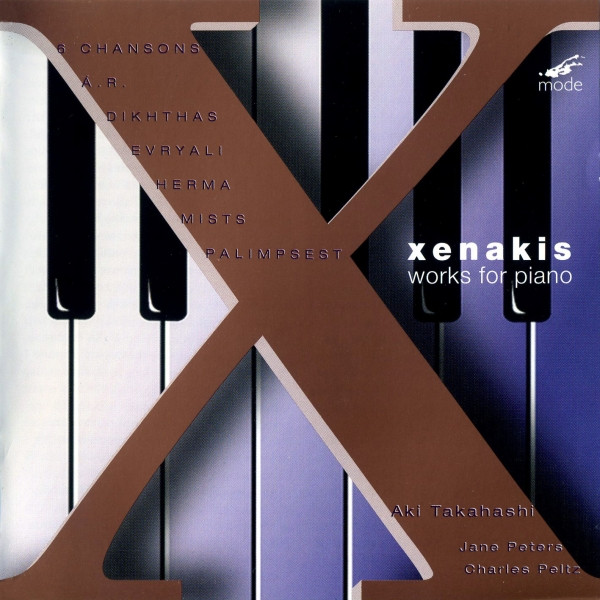
Works for Piano Discogs Douban
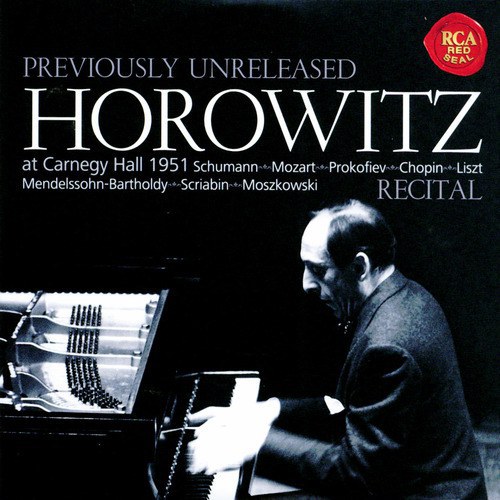
Iannis Xenakis genre: Classical
release date 1999-10-19 publisher: Cathedral Of The Immaculate Conception, Syracuse, New York / Éditions Salabert …
Evryali (1973), published by Editions Salabert, recorded at Carnegie Mellon Institute
Dikhthas (1979), published by Editions Salabert, recorded at Troy Music Hall
Herma (1960-61), published by Boosey & Hawkes
Palimpsest (1979), published by Editions Salabert, recorded at Cathedral Of The Immaculate Conception
Six Chansons Pour Piano (1950-51), published by Editions Salabert, recorded at Teldex Studio
Mists (1980), published by Editions Salabert, recorded at Carnegie Mellon Institute
A.r. (1987), published by Editions Salabert, recorded at Carnegie Mellon Institute
Pianos: Steinway, except Palimpsest: Bösendorfer
Remastered edition from 1999 edition including as bonus "Six Chansons Pour Piano"
96K 24 Bit Hi-definition Remastering.
Made & Printed in the U.S.A.
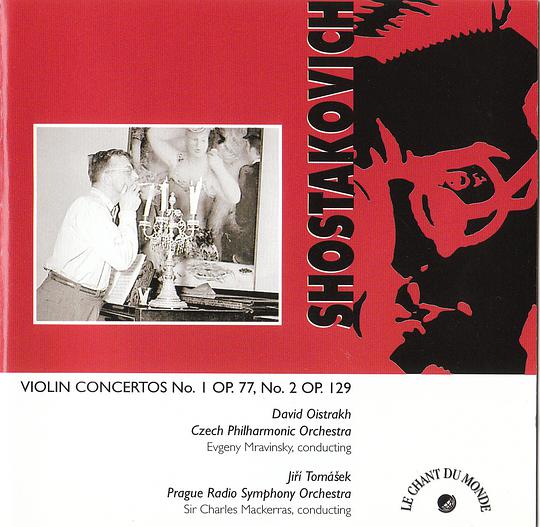
Violin Concertos No.1 0P.77,No.2 OP.129 Douban
Shostakovich
release date 2000-01-01 publisher: Praga Productions
shostakovitch violin concerto#1
"The concerto lasts around 35 minutes and has four movements, with a cadenza linking the final two:
1. Nocturne: Moderato - A semi-homage to the first movement of Elgar's Cello Concerto.
2. Scherzo: Allegro - Demonic dance.
3. Passacaglia: Andante - Cadenza (attaca) - Utilizes Beethoven's fate motif, incorporating it into the pre-burlesque cadenza.
4. Burlesque: Allegro con brio - Presto - The theme in the solo violin's entrance resembles that was the solo flute's entrance in Stravinsky's Petrouchka.
The work is scored for piccolo, three flutes, three oboes, cor anglais, three clarinets (3rd doubling bass clarinet), two bassoons, contrabassoon, four horns, tuba, timpani, tambourine, tam-tam, xylophone, celesta, two harps and strings.
Oistrakh characterised the first movement as "a suppression of feelings", and the second as "demoniac". The scherzo is also notable for an appearance by the DSCH motif representing the composer himself. Boris Schwarz (Music and Musical Life in Soviet Russia, 1972), commented on the passacaglia's "lapidary grandeur" and the burlesque's "devil-may-care member stoking abandonment". The beginning of the passacaglia is also notable for its juxtaposition of the invasion or Stalin's theme from the Seventh Symphony and the fate motif from Beethoven's Fifth Symphony.
The concerto is sometimes numbered as Opus 99: the time-lag between composition and performance is the reason that it was originally issued as Opus 77 (Opus 77 was then allocated to Three Pieces for orchestra)."
April 25, 2022 listened
第一小协是1957年Mravinsky+Oistrakh与布拉格广播的现场,第二小协是1982年Mackerras+Tomášek与捷克爱乐;穆皇和奥胖这个布拉格现场应该和,与普6收在一起的那张里的那个是同一个版本(没找到那张的音源(
Shostakovich Oistrakh Mravinsky Classical
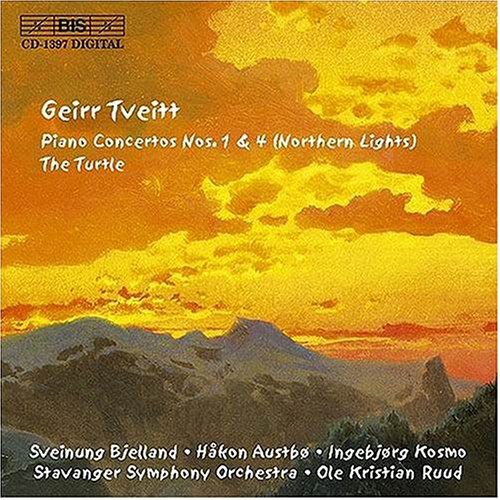
Geirr Tveitt: Piano Concertos Nos. 1 & 4 (Northern Lights); The Turtle Douban
Sveinung Bjelland / Stavanger Symphony Orchestra …
release date 2004-07-27 publisher: Bis
Thanks to the six discs of orchestral music already released on BIS, the name of Geirr Tveitt is becoming established as a significant contributor to twentieth century art music. Though Edvard Grieg died the year before Tveitt’s birth, the two Norwegian composers shared many similar musical experiences. Both undertook the major part of their musical training in Leipzig. Both were distinguished pianists. And both sought throughout their lives to find a musical voice in which to express what they felt about their country and its unique natural attributes. If the picture that Grieg paints of Norway is strongly influenced by the fact that he was a city dweller, Tveitt’s version is full of nature’s raw power. Grieg’s Norway is that of summer in the mountains with all the freshness of Eden newly discovered. Tveitt himself lived up in the mountains where winter weather rules for the greater part of the year. Indeed his own house disappeared under an avalanche. Nature for him is an immutable force. This becomes very evident in Piano Concerto No. 4, included on this disc. It bears the Norwegian title Nordljos – meaning the northern lights or aurora borealis. It is really only in very recent times that the physics involved in creating these extraordinary phenomena in the night sky have been understood. Tveitt himself was evidently fascinated and awed by the great, eerily coloured flames that leap across space and he has given expression to this in a colourful concerto. The present disc also offers Piano Concerto No. 1, which Tveitt completed while still a student in Leipzig and which was very well received when first performed there. The Turtle, a major composition for mezzo-soprano and orchestra completes the programme. The text (in English) comes from Nobel prize-winner John Steinbeck’s The Grapes of Wrath and the demanding solo part was originally written with the great Norwegian singer Kirsten Flagstad in mind. As through the entire series of discs, it is Stavanger SO and Ole Kristian Ruud who brings us the music of their countryman – aided by fellow Norwegians Håkon Austbø (in Concerto No. 4) and Ingebjørg Kosmo (in The Turtle) – both BIS first-timers – and Sveinung Bjelland (Concerto No. 1), who also participated on the previous Tveitt release (BIS-CD- 1252). In sum: a listener-friendly musical adventure.'
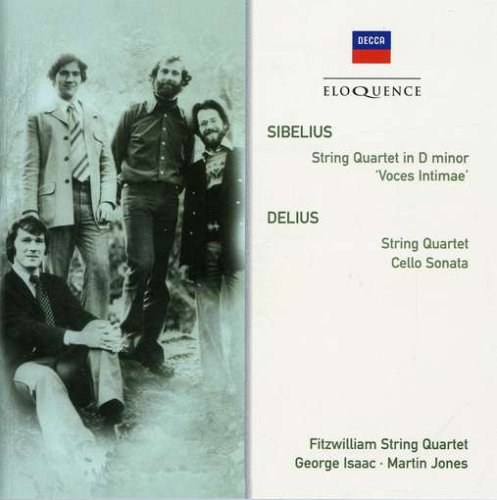
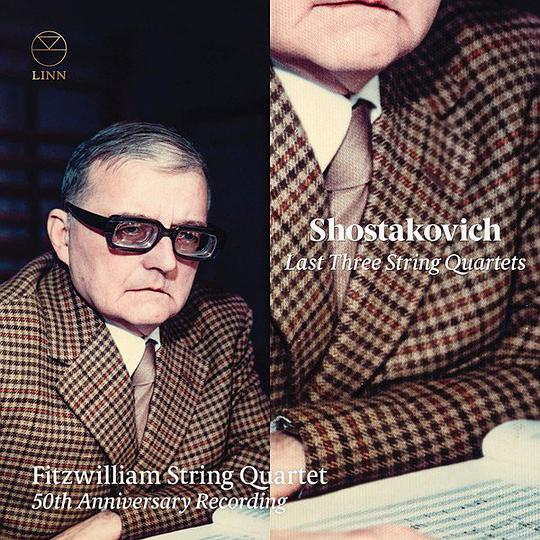
Shostakovich: Last Three String Quartets: 50th Anniversary Recording Douban
Fitzwilliam String Quartet genre: Classical
release date 2019-08-30 publisher: Linn Records
The Fitzwilliam String Quartet celebrates a remarkable milestone with this special fiftieth anniversary recording of Shostakovichs last three string quartets. Fittingly, this landmark recording will look back to the music which first propelled the Fitzwilliam to international prominence. Shostakovich entrusted the Fitzwilliam with the western premieres of his last three quartets (Nos. 13, 14, 15), and before long they had become the first ever group to perform and record all fifteen, winning many international awards along the way. The highly innovative String Quartet No.13 is notable for its unique single-movement form and the virtuosic viola writing, which shines a spotlight on founding member Alan George. No.14, despite its twelve-tone structure, is perhaps the most accessible of Shostakovichs late quartets with a wealth of identifiable melodies. The six movements of No.15 are profoundly melancholic and intimate, with the composers obsession with death a clear influence. The Fitzwilliams pre-eminence in the interpretation of these works has persisted: Benjamin Britten reported after Shostakovichs death in 1975 that the composer had told him the Fitzwilliam were his preferred performers of my quartets.