中国


陪安东尼度过漫长岁月 Douban
author:
安东尼
publishing house:
长江文艺出版社
2008
- 3
《陪安东尼度过漫长岁月》收集了作者安东尼在《最小说》上刊登过的部分散文,以及50%以上的最新作品。安东尼以一个普通男生的口吻,讲述了从20到23、从大学到工作、从国内到国外的真诚记载。其中既有生活的零散片段、自言自语,也有对生活的感悟。以时间为载体,散文为格式,将日记、随笔,甚至是墙上的便条联系到一起。带领每位读者陪安东尼度过遥远的旅行、孤独的时刻,以及漫长的岁月。
插画家ECHO配以温馨童话般的绘图,充满童幻色彩。
插画家ECHO配以温馨童话般的绘图,充满童幻色彩。



清代卫生防疫机制及其近代演变 Douban
author:
余新忠
publishing house:
北京师范大学出版社
2016
- 4
卫生是日常生活的基本内容,对“近世卫生”这一目前正趋兴起而仍尚薄弱课题的探究,对于呈现中国近世的日常生活经验、近代社会变迁以及省思中国“现代性”来说是不可或缺的。晚清新“卫生”的登场,不仅逐渐引发了中国人对自己国家公共和个人生活的环境状况的不满,而且还慢慢使得国人对自己种族的健康失却了信心,并进而开始藉由“卫生”来论述种族和国家的危机。本书首先从“卫生”概念的演变入手,以从概念到观念再到相关实践的思路逐次对清代与防疫和城市环境卫生相关的诸多问题及其历史变迁脉络展开探讨,藉此展现中国近世社会的变动与特质,以及中国人有关身体的认识,并进一步探究传统在中国社会近代转型中的影响与作用以及展开对现代化过程和“现代性”的省思。
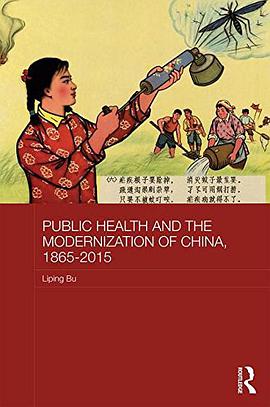
Public Health and the Modernization of China, 1865-2015 Douban
author:
Liping Bu
publishing house:
Routledge
2017
- 3
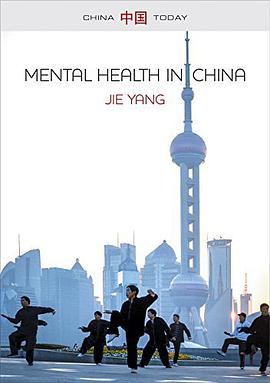
Mental Health in China Douban
author:
Jie Yang
publishing house:
Polity
2017
- 11
China's massive economic restructuring in recent decades has generated alarming incidences of mental disorder affecting over one hundred million people. This timely book provides an anthropological analysis of mental health in China through an exploration of psychology, psychiatry, psychotherapy and psychosocial practices, and the role of the State.
The book offers a critical study of new characteristics and unique practices of Chinese psychology and cultural tradition, highlighting the embodied, holistic, heart-based approach to mental health. Drawing together voices from her own research and a broad range of theory, Jie Yang addresses the mental health of a diverse array of people, including members of China's elite, the middle class and underprivileged groups. She argues that the Chinese government aligns psychology with the imperatives and interests of state and market, mobilizing concepts of mental illness to resolve social, moral, economic, and political disorders while legitimating the continued rule of the party through psychological care and permissive empathy.
This thoughtful analysis will appeal to those across the social sciences and humanities interested in well-being in China and the intersection of society, politics, culture, and mental health.
The book offers a critical study of new characteristics and unique practices of Chinese psychology and cultural tradition, highlighting the embodied, holistic, heart-based approach to mental health. Drawing together voices from her own research and a broad range of theory, Jie Yang addresses the mental health of a diverse array of people, including members of China's elite, the middle class and underprivileged groups. She argues that the Chinese government aligns psychology with the imperatives and interests of state and market, mobilizing concepts of mental illness to resolve social, moral, economic, and political disorders while legitimating the continued rule of the party through psychological care and permissive empathy.
This thoughtful analysis will appeal to those across the social sciences and humanities interested in well-being in China and the intersection of society, politics, culture, and mental health.