艺术史
中国诗画语言研究
Google Books Douban
[法国] 程抱一 translator: 涂卫群 publishing house: 江苏人民出版社 2006 - 8
《中国诗画语言研究》是程抱一先生的《中国诗语言研究》(1977)和《虚与实:中国画语言研究》(1991)两书的合集。《中国诗语言研究》,以唐诗为研究主体,从中国表意文字的特点出发,以构成诗歌语言基础的宇宙论中的虚实、阴阳和人地天关系为依据,分别从词句、格律、意象三个层面,展现这一符号系统在对文字的探索中如何进行自我构成。在词句层,着重探讨虚词与实词之间的微妙游戏;在格律层,揭示乎仄和对仗等所体现的阴阳辨证关系;在上述两层次所导向的更高和更深的象征层,则显示诗人们如何借助“比”、“兴”手法组织意象之间的关系,以实现主体与客体的交融,并充分发掘人地天三元关系。其法译“唐诗选”部分,采用独创的字对字翻译和意译,为读者提供了多途的审美享受。 在《虚与实:中国画语言研究》中,作者认为,绘画行为与宇宙的生成化育是相关相通的,而中国绘画的目标,在于创造一个完整的小宇宙。这要通过重建激荡宇宙的元气来实现,因此画家寻求捕捉构成所有事物并使它们彼此连接与沟通的内在原则(理)。但这些有力的笔画只能在虚的底色上体现,虚同时是起源的至高状态、万物所归的神妙所在和万物运转不可或缺的中心成分,因此有必要在画作上、绘画元素之间和在笔画本身中实现虚。为此作者围绕“虚”这一中国宇宙论的重要概念梳理出五个层次:笔墨、阴阳、山水、人天以及最高层的第五维度——它代表着绘画所要达到的最终目标:意境和神韵。以上诸层形成了一个有机整体,冲虚之气则从一个中心出发,遵循着一种螺旋形的运动,流布于一个又一个层次。
电影通史(第2版)
Douban
[英]菲利普·肯普(Philip Kemp) translator: 王扬 publishing house: 中国画报出版社 2020 - 6
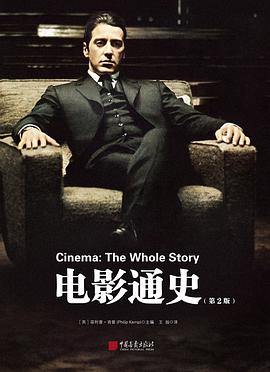
《电影通史》按照年代顺序追溯了电影的演化,从早期的电影放映技术到多银幕影城的出现,直至如今的网络平台,展现了世界影坛的重要时期、主要流派和经典作品,并以电影的高速发展反观社会和文化的演变。图文并茂的文章深入全面地阐述了每一种电影类型,从最早出现的默片到史诗票房大片,以及21世纪出现的电脑动画与视觉特效。翔实的历史年表让读者对电影史上的重大事件一目了然。 书中从机位、布光、动画、表演风格及社会文化影响的角度详尽地分析了各个时期的代表作,对知名大片进行了让人耳目一新的解读,揭示出明星的闪光点和影片成功的秘诀,以及最具潜力的剧本折戟票房战场的原因。 电影改变了世界。从技术允许的第一天开始,人们就从古老的艺术形式中汲取养分,开创了电影这个新的艺术门类。是什么推动了早期电影的诞生?电影院具有怎样的建筑学和社会学意义?为什么一些电影能成为经典?是什么让一位导演、编剧或演员成为不朽的明星? 这是一部由专家学者团队为广大电影爱好者编撰的图文版电影史,将翔实的资料、精炼的文字和大量珍贵的插图相搭配,满足读者求知的欲望和阅读的快感。精美的设计和精良的制作让本书赏心悦目,值得收藏。本次中文版根据2019年的英文第2版翻译制作。如果你爱好电影并希望更好地理解电影,翻阅此书将是一个绝佳的选择。 ●国际电影史专家、影评人和学者团队联合编撰,内容权威可靠。 ●图文详解影史经典,聚焦细节,看电影史像看电影一样轻松。 ●约1400幅高清图片,精心设计的美观版面,全彩印刷,完美呈现。 本书令人称羡地轻松填补了枕边读物和专业书籍之间的缺口。 ——《完全电影》(Total Film) 这本书对纷繁悠久的电影传奇进行了精彩的介绍,优美的行文、深入浅出的评论和清晰的版块设计贯穿始终。 ——《帝国》(Empire) 明星多过天上繁星,导演更是无可计数,除此之外,本书还有实用的术语解释和电影年表。 ——《苏格兰人报》(The Scotsman) 丰富的内容、犀利的观点、翔实的资料和精美的插图——对影迷来说,这是一份完美的礼物。 ——《伯恩茅斯每日回声报》(Bournemouth Daily Echo)
摄影理论
Photography theory in historical perspective Douban
[比利时]希尔达·凡·吉尔德 Hilde Van Gelder / [荷兰]海伦·维斯特杰斯特, Helen Westgeest translator: 毛卫东 publishing house: 中国民族摄影艺术出版社 2015 - 6
本书以媒介比较研究的方法为基础,讨论摄影常被人提及的特征。有关摄影的特性的大部分文本都用这样或那样的方式,参照了视觉艺术中的其他媒介——主要是绘画和电影——从而证明这一媒介所特有的属性,或者说明了界定其独特性有多么困难。不过这样的比较很少有从历史脉络的角度来进行研究的,或者与再现、时间、地点和功能等等核心概念联系起来。而本书恰恰是从这几个主要领域出发,对摄影术诞生以来的摄影理论,通过案例研究的方式,进行了细致、严谨的梳理。 基于目前有关摄影的争论,本书涉及到五个主要领域:摄影与绘画的比较;摄影是一种时基艺术(与电影和行为艺术比较);摄影与虚拟现场以及空间艺术的关系(与特定现场空间艺术之类媒介比较);摄影是社会批判的视觉化工具;以及摄影是一种自我映现的媒介。这几个领域都同有关摄影本身媒介特性的争论联系在一起,提出了有关再现、时间、地点和功能的问题。这使得我们把再现理论同摄影与绘画的比较研究、时间理论同摄影与电影的比较研究、地点概念同摄影与空间艺术的比较研究,以及功能论与作为社会批判视觉工具的摄影联系起来。 摄影是一个太具有多样性的领域,并不存在包罗一切的单一理论模式。本书的目的是通过从当代艺术的摄影实践中选取的不同案例分析,促使人们理解摄影媒介多样而复杂的特性,全书通过摄影术诞生170多年来有关摄影的观点和理论这一语境展开讨论。对摄影媒介采用这种研究方法,目的在于强调当代有关摄影的争论中提出的问题,以及历史的根源究竟何在。
Inventing Exoticism
Douban
Benjamin Schmidt publishing house: University of Pennsylvania Press 2015 - 1
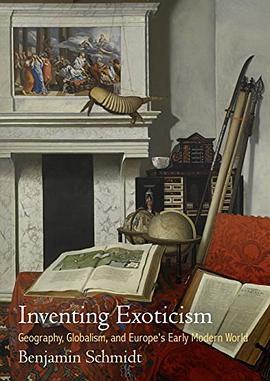
As early modern Europe launched its multiple projects of global empire, it simultaneously embarked on an ambitious program of describing and picturing the world. The shapes and meanings of the extraordinary global images that emerged from this process form the subject of this highly original and richly textured study of cultural geography. Inventing Exoticism draws on a vast range of sources from history, literature, science, and art to describe the energetic and sustained international engagements that gave birth to our modern conceptions of exoticism and globalism. Illustrated with more than two hundred images of engravings, paintings, ceramics, and more, Inventing Exoticism shows, in vivid example and persuasive detail, how Europeans came to see and understand the world at an especially critical juncture of imperial imagination. At the turn to the eighteenth century, European markets were flooded by books and artifacts that described or otherwise evoked non-European realms: histories and ethnographies of overseas kingdoms, travel narratives and decorative maps, lavishly produced tomes illustrating foreign flora and fauna, and numerous decorative objects in the styles of distant cultures. Inventing Exoticism meticulously analyzes these, while further identifying the particular role of the Dutch—"Carryers of the World," as Defoe famously called them—in the business of exotica. The form of early modern exoticism that sold so well, as this book shows, originated not with expansion-minded imperialists of London and Paris, but in the canny ateliers of Holland. By scrutinizing these materials from the perspectives of both producers and consumers—and paying close attention to processes of cultural mediation—Inventing Exoticism interrogates traditional postcolonial theories of knowledge and power. It proposes a wholly revisionist understanding of geography in a pivotal age of expansion and offers a crucial historical perspective on our own global culture as it engages in a media-saturated world.
Pictures and Tears
Douban
JAMES ELKINS publishing house: Routledge 2004 - 2
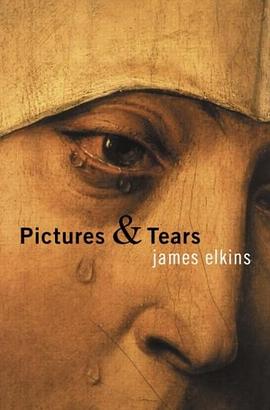
Does art leave you cold? And is that what it's supposed to do? Or is a painting meant to move you to tears? In Pictures and Tears , art historian Elkins tells the story of paintings that have made people cry. Drawing upon anecdotes related to individual works of art, he provides a chronicle of how people have shown emotion before works of art in the past, and a meditation on the curious tearlessness with which most people approach art in the present. Deeply personal, Pictures and Tears is a history of emotion and vulnerability, and an inquiry into the nature of art. New in paperback, this book is a rare and invaluable treasure for people who love art.
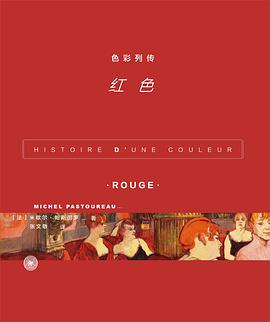
色彩列传:红色
Rouge, Histoire d'une couleur Douban
[法]米歇尔•帕斯图罗 translator: 张文敬 publishing house: 生活·读书·新知三联书店 2020 - 8
西方人很早就能制造出红色颜料和染料,比其他任何色彩都要早得多。或许正是因为如此,在很长的一段历史时期里,红色的内涵都是最丰富的,一直是色彩中的“王者”。 在古希腊和古罗马,红色曾是权力、财富和尊严的象征,受到人们的欣赏和赞美。到了中世纪, 红色的宗教意义有所加强,既象征基督之血,又代表地狱之火。类似的两面性也体现在世俗社会里, 红色既象征爱情、光辉与美,又代表傲慢、暴躁与纵欲。 16 世纪兴起的新教伦理对红色非常敌视,认为它是不道德、不体面的色彩,而且认为它体现了天 主教会的奢华与浮夸。从这时起,在欧洲各地,包括天主教国家在内,红色的地位都有所衰落。 在整个近代时期,这样的衰落一直在持续,而且有愈演愈烈之势,既体现在世俗文化领域,也体 现在符号象征领域。从法国大革命开始,红色又在政治和意识形态方面获得了新的意义——它象 征着某种激进和颠覆的力量,后来又作为左派政党的标志,时至今日这依然是红色的重要功能。 本书是色彩列传的第四部,这个系列丛书旨在从欧洲社会和文化角度出发,建立起一门色彩历史 学。该系列的前三部分别是《色彩列传 :蓝色》《色彩列传 :黑色》和《色彩列传 :绿色》。
城市表情
Douban
顾铮 publishing house: 上海人民美术出版社 2020 - 4
集结37位摄影大师,超过300张代表作品。 作为一种视觉艺术,摄影在不同主体间穿梭,编织成影像世界的意义网络。 1936年本雅明提出“机械复制时代”来临,摄影作为视觉文化的代表,就与工业社会到后工业社会的变迁紧密相关。本雅明认为,“灵晕”(Aura)的衰竭来自于现代大众占有复制品的强烈愿望,大众媒介打破了传统社会艺术作品与观赏者之间的距离,使过去面对艺术作品的神圣感变为占有欲。 摄影就是一种你发现周围世界的记录方式。出片好与坏,与手里的工具(也就是器材)关系不大,更多的是相机背后的那颗脑子。你的视角不同,出片就自然与别人有别。 书中的各国摄影家以影像方式观看、体验都市与都市生活为前提,他们在闲逛时身心放松,全身感受都市的细胞处于全面开放状态,心灵处于最善解人意的状态,因此,他就有可能邂逅都市的秘密,遭遇世间的惊奇,获得与都市灵犀相通的无上喜悦。这是一种通灵的喜悦。摄影在本质上来说其实是一种与图像通灵交感、超越对象的具体性而获得一种精神感悟的心灵通灵术。 《城市表情》介绍了从19世纪末到21世纪初的30余位各国摄影家的都市摄影实践。他们之中既有像阿杰这样的以纯粹记录都市全部细节为己任的摄影家;也有像桑德这样的通过为都市中人造像来聚焦都市生活形态的摄影家,既有像克莱因这样的以都市为自己的感情宣泄对象而在与都市的对抗中形成了自己风格的摄影家,也有像荒木经惟这样只把都市看成是一个欲望发生装置而始终在以摄影与之调情的摄影家。通过对这些观念、手法、风格各异的摄影家的了解,作者希望读者能够发现,原来摄影是一种与活生生的现实有着如此亲和力的媒介;原来摄影是一种具有如此丰富表现力的视觉手段,而从此能够经常地将摄影与人类社会的各种实践联系在一起思考,就像这本书把摄影与现代都市生活联系在一起展示一样,从而获得对摄影这个“城市观看的媒介”的全新理解。 ---------------------------------------------------------------------------------- 【媒体评论】 “城市表情”历久弥新,妙在影像的解读同步了世界城市化进程的脉搏! 林路(上海师范大学 教授) 这是一部精粹的摄影与都市的文化“共生”史与镜像史,也是历史图像学研究关注的重要论域。一个多世纪以来的都市红尘,众多摄影家的梦想与光荣,这是一扇通向都市灵魂与人性欲望的摄影之窗。李公明(广州美术学院 教授) 摄影发端于现代都市,反过来,又参与建构、型塑了都市文化。从某种意义上说,都市问题,就是摄影问题;摄影问题,同样也是都市问题的视觉化书写。本书自摄影史与全球都市版图分布特点双重视角,通过典型案例,呈现出自摄影术发明以来,都市与摄影之间既天然又暧昧的纠葛怨怼关系。这是理解当代摄影问题的出发点,也是归宿。晋永权(《大众摄影》杂志主编) ----------------------------------------------------------------------------------- 【摘录】: 游手好闲者”的闲逛虽然看起来好像是一种具有可操作性的拍摄方式,但这种行为本身在本质上却是与一个摄影家的内心精神联动。仅仅是躯壳的移动并不能叫开通向都市秘密的大门。所以说,闲逛不是一个可以简单模仿的动作,而是一种具有哲学意义的都市摄影家的基本姿态。闲逛既是具有目的性的行为,也是一种无目的性的行为。没有“游手好闲”式的闲逛,好照片不会跃入你开放的镜头。但是处于过于紧张状态中的急功近利式的为闲逛而闲逛,也许只会吓走都市世界偶尔探头的鬼脸。只有在没有急切功利性的驱使下的闲逛漫步中,将自己全部开放的“游手好闲者”才会有可能撞见世界偶尔探头的鬼脸。对于都市摄影家来说,也许更重要的是如何全身心地开放自己,耐心地在城市的街道上与都市反复“拍拖”,以便让都市习惯你、接受你,最后使它在你面前自如展示它的一切秘密与万种风情。
电影海报艺术史
Selling the Movie: The art of the film poster Douban
伊恩·海顿·史密斯 / Ian Haydn Smith translator: 杜盈 publishing house: 中国画报出版社 2020
《电影海报艺术史》以110个专题和579幅图片从创意和商业的角度介绍了海报的设计、风格的发展、政治和意识形态的影响,以及商业在电影海报发展中的作用等,按照时间顺序梳理出一个多世纪的电影海报发展史。这部结合了电影、艺术和商业的图文书,以经典海报串起电影史的图像记忆,以经典案例为设计师展现海报设计潮流,对电影主题、电影类型、地区电影、艺术潮流等进行专题呈现,并对设计师、导演、演员等具体案例进行专项研究。翻开本书犹如走进赏心悦目的画廊,大开本和全彩印刷呈现出的绝佳视觉效果将为读者开启一段迷人的艺术之旅。
米开朗琪罗与教皇的天花板
Michelangelo and the Pope’s Ceiling Douban
★ 8.5 12 ratings
[英] 罗斯·金 translator: 黄中宪 publishing house: 社会科学文献出版社 2017 - 4
文艺复兴艺术殿堂,西斯廷礼拜堂穹顶壁画的故事。 米开朗琪罗在四年之内克服了所有障碍,创造出五百年来众人赞叹的西斯廷礼拜堂穹顶壁画,自从与“恐怖教皇”尤利乌斯二世的名字永远连在一起;对手拉斐尔都愿向米开朗琪罗致敬,把他绘入自己的画作《雅典学园》;世世代代的艺术家,将西斯廷穹顶壁画视为“可供翻阅的画册”,不时从前辈那里汲取灵感。 这本让人惊讶的书带读者穿越到16世纪早期的意大利。金既讲述了壁画之复杂精细,又描绘了那个时代人们的日常生活……强烈推荐!——《图书馆杂志》 传奇般、具有丰富细节地讲述了西斯廷礼拜堂穹顶壁画长达四年的绘制过程……想看这则故事的简化版的读者会想开启录像机,欣赏查尔顿•赫斯顿夸张地演绎这些场景。那些想要更深入地了解文艺复兴艺术创作的读者则会欣喜于阅读此书。——《科克斯评论》 严谨的研究加上潇洒的写作,罗斯•金的《米开朗琪罗与教皇的天花板》堪称对那个非凡时代的绝妙一瞥。——《迈阿密先驱报》 罗斯•金熟练地擦掉这个伟大壁画故事上的污迹,将一个更加让人兴奋、更加传奇的真相展露在我们面前。——《洛杉矶纪事报》 精彩的讲述……金记录了米开朗琪罗的审美决定,以及他用专业和具有感染力的热情对一切困难的征服。——《书单》星级评论 精彩迷人、严谨翔实、细节丰富。——《出版商周刊》
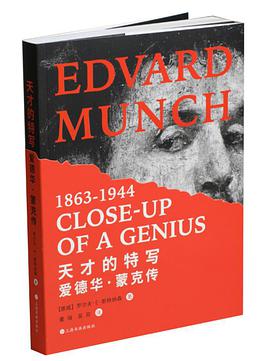
天才的特写:爱德华·蒙克传
Douban
[挪威]罗尔夫·E·斯特纳森 著 translator: 董瑞 吴双 译 2021 - 1
1944年,时值第二次世界大战,罗尔夫·E·斯特纳森(Rolf E. Stenersen)流亡至瑞典,其所著《天才的特写:爱德华•蒙克传》首次在瑞典发表。《天才的特写:爱德华•蒙克传》,至今仍是蒙克传记中的经典之作,被译介为丹麦语、英语、德语和俄语等诸多版本,本书第一个中文版本。本书取材自作者与画家多年交往中的亲眼观察,斯特纳森将记忆以对话的形式栩栩如生地复述给读者。艺术家的形象通过作者的文字在一代又一代读者的脑海中塑造起来。作者生动地描绘了不少自己与蒙克见面时的场景,充分展现了艺术家的荒诞主义和黑色幽默,表现出作者对人类内心世界和个体性格中隐藏力量的强烈兴趣。
怎样阅读照片
Douban
★ 8.0 6 ratings
[英]伊安·杰弗里 translator: 毛卫东 publishing house: 浙江摄影出版社 2014 - 8
在《怎样阅读照片》一书中,伊安·杰弗里展现了一部摄影的历史,始于19世纪40年代最早的肖像和风景,涵盖了整个现代时期。循着这一路线,他对该领域的重大成就,乃至影响其作为一种艺术形式的发展的社会和文化背景展开了讨论。 从多萝西娅·兰格的赤贫移民工人肖像,到欧洲和日本战时的视觉记录,本书尤其着眼于复杂的生活现实,有助于使摄影返归其自身。我们看到摄影师如何用视角、焦点和尺幅进行实验,照片同时记录了富有而大权在握者以及不幸者的生活。从中呈现出来的,是真正捕捉到人类生存状况高峰和低谷的唯一媒介所传达的故事。 《怎样阅读照片》是一部引人入胜的导读,收录了一百多位重要摄影师的传略,包括亨利·卡蒂埃-布列松、安塞尔·亚当斯、比尔·布兰特、沃克·埃文斯等。传记、历史和技术细节将他们的作品置于更广泛的语境之下,而对重要图片所做的分析,则把每一位艺术家的视野联系起来,为观众提供了发现一幅照片真正内涵的一条路径。
Art History's History
Douban
Vernon Hyde Minor publishing house: Prentice Hall 2000 - 7
From Library Journal The current discipline of art history has undergone a number of changes through the years. This book is an attempt to track the evolution of its methodology and demonstrate why art history has been presented and taught, particularly in American academia. In the course of delineating this history, however, Minor confuses brevity for elegance. He mentions the standard authorities (e.g., Winckelmann, Riegl, Wolfflin, and Fry) and gives succinct coverage of Marxism, feminist theory, deconstruction, and semiotics. Yet, while his abbreviated summaries of the treatment of art from antiquity to the 18th century are good, important points seem to be telescoped and their relevance diminished. In addition, his concluding "Consequences for Art History" is astonishingly short. Meant for students and general readers, this work does not compare favorably with W. McAllister Johnson's Art History: Its Use and Abuse (Univ. of Toronto Pr., 1988), and the growth of the newer methodological approaches is better explained in The New Art History (Humanities Pr., 1988). Paula A. Baxter, NYPL Copyright 1994 Reed Business Information, Inc. --This text refers to an out of print or unavailable edition of this title. Book Description Written in jargon-free, reader-friendly language, this is one of the first volumes to make art historical theory accessible to those at the introductory level. A review of contemporary theory of art history provides readers with lucid prose and concrete examples. Discussion of eighteenth- and nineteenth- century theories that are important to art history offers readers a review of historically important issues in philosophy. Illustrations of well-known works of art show readers how theory has application to images. Art historians and educators. The publisher, Prentice-Hall Humanities/Social Science Written in jargon-free, reader-friendly language, this is one of the first volumes to make art historical theory accessible to those at the introductory level. --This text refers to an out of print or unavailable edition of this title. From the Back Cover Written in jargon-free, reader-friendly language, this is one of the first volumes to make art historical theory accessible to those at the introductory level. A review of contemporary theory of art history provides readers with lucid prose and concrete examples. Discussion of eighteenth- and nineteenth- century theories that are important to art history offers readers a review of historically important issues in philosophy. Illustrations of well-known works of art show readers how theory has application to images. Art historians and educators. Preface to the Second Edition Since this book first appeared in 1994 there has been a surge of interest in the history of art history. A reader interested in these kinds of issues now has any number of books to choose from, and I have tried to incorporate into the appropriate bibliographies newer publications on the historiography of art history. Because there is this continuing and growing concern with theoretical matters and because art historians find it ever more necessary to interrogate (and even to doubt) the hypotheses and suppositions of the so-called discipline of art history, my editors at Prentice Hall and I decided that a new edition of Art History's History was warranted. As much as I was tempted to do so, I have not recast the basic text. It stands essentially as it was in the first edition. I have, however, updated bibliographies, made some corrections of fact, moved around the odd colon or semicolon, and added new material. On the sound advice of one of the readers of the first edition, I have included a discussion of the work of the American critic Clement Greenberg in Chapter 11, "Visual Supremacy: Connoisseurship, Style, Formalism." Because the terms "New Art History" and "visual culture" have received considerable attention in the past decade, I felt that they deserved their own chapter (now Chapter 13). I have also rewritten the chapter previously entitled "From Word to Image: Semiotics and Art History" and have renamed it "Reading Art History: Word, Image, Iconology, Semiotics" (Chapter 15). Although the previous discussion of semiotics remains unaltered, I have added short essays on ut pictura poesis, and on the learned art historian Erwin Panofsky (perhaps the single most potent voice in art history in the twentieth century) and his inculcation into our discipline of the words "iconography" and "iconology." In the final chapter (Chapter 19), I have taken on such embattled but still powerful concepts as influence, originality, and greatness, while making a modest proposal for the adoption of a term quite current in literary theory, "intertextuality." As with the first edition, I have not included footnotes or specific page citations for quotations. The bibliography at the end of each chapter contains the necessary references to artists and texts, however. When the source of the quotation is not obvious from the context, I have included the author's name in parentheses. I wish to renew my thanks to Bud Therien, who has provided continuing endorsement of Art History's History (and help with another project), and to Marion Gottlieb, who gently led me through the early stages of this revision. Kimberly Chastain, assistant editor of art and music at Prentice Hall, has offered me kind and very useful assistance in our ongoing transatlantic exchange of electronic messages. I look forward to meeting her in person. And those readers who generously agreed to review the first edition of this text have been both encouraging and perspicacious in their suggestions; I would like to thank Jo-Anne Berelowitz, San Diego State University; Charles R Mack, University of South Carolina; and Anthony King, SUNY Binghamton. Rome, January 2000 Preface to the First Edition When I set out to write a text on the critical theories of art history, I realized that my archeological investigation of this discipline would cross quite a few boundaries. Art history results from so many different forms of academic discourse that it hardly qualifies as a unique field of study. The histories of criticism, aesthetics, and philosophy count for much in the study of art history. History itself is a complex field of inquiry in the modern university and can have the appearance of either a social science or a humanistic discipline. It can make sense to teach art history within an independent university department, a traditional history department, a humanities department, or a department of fine arts. Art history, it seems to me, is a hybrid and sometimes a handmaiden of other disciplines. I realized that writing about art history as a form of inquiry (which is something very different from the "history of art") would result in a text of mixed but perhaps not blended parts. And so this book is about the study and teaching of art and art history, about the histories of philosophy, religion, and aesthetics, and about the currents of contemporary criticism in art history and other humanistic disciplines. I hope that the breadth of this text makes up for its lack of homogeneity. One of my concerns was to make the book as widely accessible as possible, which meant that I would have to avoid jargon, become a generalist rather than a specialist (and thereby disclaim a high degree of authority), and assume relatively little art historical background on the part of the reader. This survey, therefore, is only an introduction to the nearly limitless number of issues in art history and should not be taken as anything like the final word. I certainly do not expect agreement upon all points touched upon in the text; rather, I'm anticipating that interested readers will use their objections or demurrals to launch them into further study. This prefatory apology, however, does not absolve the author from errors of fact and substance. For these, I assume full responsibility. And finally there are those whom I wish to thank. Bud Therien, editor of art and music for Prentice Hall, has helped me, talked with me, and reassured me from the inception of the text to its printing. Prentice Hall's reviewers, Michael Camille of the University of Chicago, Howard Risatti of Virginia Commonwealth University, and David G. Wilkins of the University of Pittsburgh, shared their wealth of knowledge of art history and its literature and helped to lead me in some fruitful directions. And there have been my teachers. Morris Weitz taught a course on aesthetics at The Ohio State University that, nearly thirty years ago, caught my interest in the very questions that I bring up in the text. Marilyn Stokstad encouraged me as a graduate student and continues as a valued colleague to share her knowledge, good humor, and advice. To my mentor Robert Enggass I owe an enormous debt of gratitude and inspiration. My mother, Eleanor Minor, made a point of leaving art books around for me to peruse and dream over when I was very young and forever impressionable. And of course there are friends and colleagues too numerous to mention who have assisted my learning. I wish to thank specifically Paul Gordon and Claire Farago for reading and commenting on parts of my text. My sons remained endlessly tolerant (and largely unaware) of my writing of this book, for which I must thank them. And then, of course, there is my muse. Boulder, Colorado, May 1993
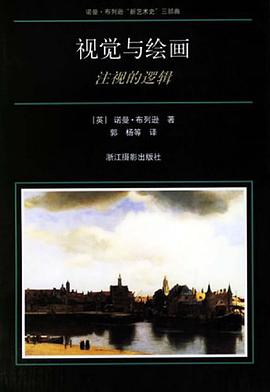
视觉与绘画
Douban
诺曼・布列逊 translator: 郭杨 等 publishing house: 浙江摄影出版社 2004 - 8
诺曼·布列逊“新艺术史”三部曲之二。本书对西方美术史极为闭塞与自满的研究现状作了尖锐的理论批评,强调从绘画图像的社会性及其作为符号的独特角度、从历史与人文学科当代发展的角度拓展研究视野;作者抓住了西方艺术史研究中一些重要观念与践履的内在弊端(如贡布里希关于图画研究的“知觉主义”)进行鞭辟入里的剖析,在方法论连同认识论的层面上为如何解读绘画,以及如何看待西方绘画与视觉、与传统、与政治权力的关系提供了新的启示。全书包括”自然的态度”、“本质的复制”、“知觉主义”、“来自内部与外部的图像”、“注视与扫视”、“图像、话语、权力”等六章;前后另有“序”、“尾声:隐形的身体”以及“中文版序”、“译者后记”等。
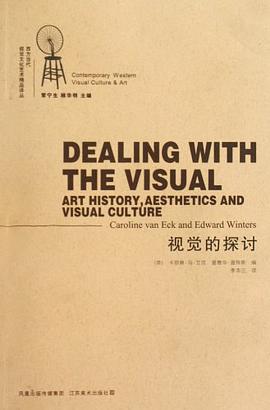
视觉的探讨
Art History, Aesthetics, Visual Studies Douban
[英] 卡罗琳·冯·艾克 / 爱德华·温特斯 编 translator: 李本正 publishing house: 江苏美术出版社 2010 - 1
《视觉的探讨》内容简介:当前,在从事艺术史、视觉文化和美学研究的人们之间正在进行一场辩论,构成这场辩论的基础的问题之一是,视觉是否是一个独特的、不可约的范畴,或者它能否与文本或者词语相同化而不会有重大的损失。能否以阅读或者破译文本的方式“阅读”绘画、建筑或者装置,或者视觉艺术的作品是否要求有它们自己的一种鉴赏类型?这不仅是一个选择探讨视觉艺术品的正确方法的问题,而且是一个触及相关学科之根本的问题:是否能说明视觉是一种不可约的艺术范畴,倘若能够,如何最好地研究和理解它? 《视觉的探讨》对高年级学生将大有裨益,因为它提供了对当前辩论的概述,对这一领域的研究生和专业人员也将大有裨益,因为这些论文提供了对相关的方法论问题和历史上界定视觉的各种不同的方式的深入研究。《视觉的探讨》所涉及的主题有观赏绘画的早期现代方式,16世纪帕拉迪奥的别墅在其风光背景中的景色,以及当代关于绘画是否还有生命力的辩论。
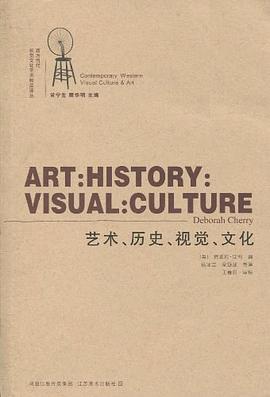
艺术、历史、视觉、文化
Douban
[英] 德波拉·切利 编 translator: 杨冰莹 梁舒涵 等译 / 王春辰 审校 publishing house: 江苏美术出版社 2010 - 1
《艺术、历史、视觉、文化》一书收录了国际上重要学者针对该问题撰写的创建性学术文章。《艺术、历史、视觉、文化》各篇论文涉及多种文化、地点和历史时期,从8世纪的中国到当前的南非,从拜占庭到早期现代和现代欧洲,这些学者运用视觉性、视看和凝视理论,探索了超越视觉的艺术史。因此提供的不仅仅是图像的研究,而是将视觉与空间、视觉与身体、视觉与视觉,以及审美与感觉联系起来。 就当前学术界所关注的这些焦点问题,他们进行了精彩、深刻的反思,因此对于任何从事视觉研究的人而言,《艺术、历史、视觉、文化》都是一本必读书。
我们什么也没看见
Douban
★ 8.8 5 ratings
达尼埃尔•阿拉斯 translator: 何蒨 / 董强 审校 publishing house: 北京大学出版社 2016 - 9
达尼埃尔•阿拉斯是当代最优秀的艺术史家之一,本书六篇长文风格多样,每篇探讨一幅世界名画或一个绘画主题,从15世纪文艺复兴到19世纪现代派的诞生,质疑惯常的解读方式,带领读者追踪画家们“埋藏”在画作中的线索,重新发掘创作者的深意。 阿拉斯的这部作品,无疑是我们了解西方当今艺术批评走向的入门书。而更为重要的是,在如此敏锐的眼光的激励下,在如此深入浅出、激奋人心的文风的带动下,我们忍不住要进入游戏,自己来看,而且是快乐地看。 ——董强,北京大学法语系主任 全书集结的六篇文字,分析风格清新,重点均落在强调“看”的重要性上。这些分析也使我们对艺术史曾经研究过的作品和艺术家有了新的认识。《我们什么也没看见》的独到之处,即体现在艺术史家对历史的把握游刃有余:他能穿越几个世纪,看到当时的艺术家真正想要展示给我们的东西。 ——让-菲利普•于泽尔,加拿大蒙特利尔魁北克大学艺术史学系教授
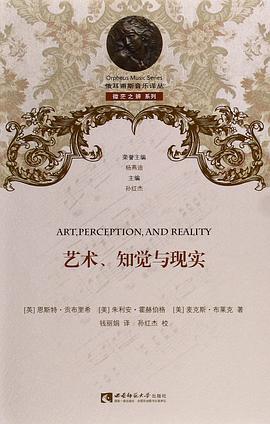
艺术、知觉与现实
Douban
[英] 恩斯特·贡布里希 / [美] 朱利安·霍赫伯格 … translator: 钱丽娟 publishing house: 西南师范大学出版社 2015 - 9
恩斯特·贡布里希著的《艺术知觉与现实(精)》是一本帮助读者了解20世纪西方艺术史的优秀书籍,本书荟萃了西方六七十年代知名的艺术史学家、心理学家以及哲学家的重要观点及论述,尽管这些代表性的学者在其研究目标和切入点上存在很大差异,但各人所论都对经典的分析和解读范式的形成有所贡献。
The Embarrassment of Riches
Douban
Simon Schama publishing house: Vintage 1997
Schama explores the mysterious contradictions of the Dutch nation that invented itself from the ground up, attained an unprecedented level of affluence, and lived in constant dread of being corrupted by happiness. Drawing on a vast array of period documents and sumptuously reproduced art, Schama re-creates in precise detail a nation's mental state. He tells of bloody uprisings and beached whales, of the cult of hygiene and the plague of tobacco, of thrifty housewives and profligate tulip-speculators. He tells us how the Dutch celebrated themselves and how they were slandered by their enemies. "History on the grand scale...An ambitious portrait of one of the most remarkable episodes in modern history."--New York Times "Wonderfully inclusive; with wit and intense curiosity he teases out meaning from every aspect of Dutch seventeenth-century life."--Robert Hughes
Seeing Ourselves
Douban
Frances Borzello publishing house: Thames & Hudson 2016 - 5
For centuries, women’s self-portraiture was a highly overlooked genre. Beginning with the self-portraits of nuns in medieval illuminated manuscripts, Seeing Ourselves finally gives this richly diverse range of artists and portraits, spanning centuries, the critical analysis they deserve. In sixteenth-century Italy, Sofonisba Anguissola paints one of the longest series of self-portraits, from adolescence to old age. In seventeenth-century Holland, Judith Leyster shows herself at the easel as a relaxed, self-assured professional. In the eighteenth century, from Elisabeth Vigée-Lebrun to Angelica Kauffman, artists express both passion for their craft and the idea of femininity; and the nineteenth century sees the art schools open their doors to women and a new and resonant self-confidence for a host of talented female artists, such as Berthe Morisot. The modern period demolishes taboos: Alice Neel painting herself nude at eighty years old, Frida Kahlo rendering physical pain on the canvas, Cindy Sherman exploring identity, and Marlene Dumas dispensing with all boundaries.