henry·miller
Big Sur and the oranges of Hieronymus Bosch
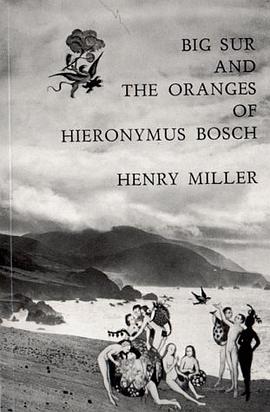
DoubanIn his great triptych "The Millennium" Bosch used oranges and other fruits to symbolize the delights of Paradise. Whence Henry Miller's title for this, one of his most appealing books; first published in 1957, it tells the story of Miller's life on the Big Sur, a section of California coast where he lived for fifteen years.
Big Sur is the portrait of a place—one of the most colorful in the U.S.—and of the extraordinary people Miller knew there: writers (& writers who didn't write), mystics seeking truth in meditation (& the not-so-saintly looking for sex-cults or celebrity), sophisticated children & adult innocents; geniuses, cranks & the unclassifiable.
Henry Miller writes with a buoyancy & brimming energy that are infectious. He has a fine touch for comedy. But this is also a serious book—the testament of a free spirit who has broken through the restraints & cliches of modern life to find within himself his own kind of paradise.
The Colossus of Maroussi
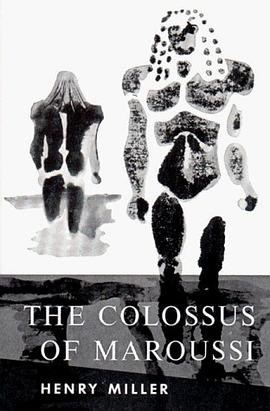
DoubanHenry Miller’s landmark travel book, now reissued in a new edition, is ready to be stuffed into any vagabond’s backpack.
Like the ancient colossus that stood over the harbor of Rhodes, Henry Miller’s The Colossus of Maroussi stands as a seminal classic in travel literature. It has preceded the footsteps of prominent travel writers such as Pico Iyer and Rolf Potts. The book Miller would later cite as his favorite began with a young woman’s seductive description of Greece. Miller headed out with his friend Lawrence Durrell to explore the Grecian countryside: a flock of sheep nearly tramples the two as they lie naked on a beach; the Greek poet Katsmbalis, the “colossus” of Miller’s book, stirs every rooster within earshot of the Acropolis with his own loud crowing; cold hard-boiled eggs are warmed in a village’s single stove, and they stay in hotels that “have seen better days, but which have an aroma of the past.”
Tropic of Capricorn
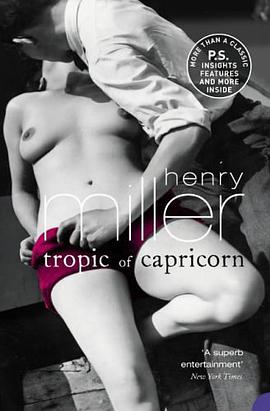
DoubanBanned in America for almost thirty years because of its explicit sexual content, this companion volume to Miller's Tropic of Cancer chronicles his life in 1920s New York City. Famous for its frank portrayal of life in Brooklyn's ethnic neighborhoods and Miller's outrageous sexual exploits, The Tropic of Capricorn is now considered a cornerstone of modern literature.


The Devil at Large
Douban
Erica Jong
publishing house:
Random House, Inc.
1993
- 2
The author of Fear of Flying chronicles the life of Henry Miller, drawing on her own six-year friendship with him, as well as his works and correspondence, to discuss Miller's life and writing. 40,000 first printing. $50,000 ad/promo. Tour.
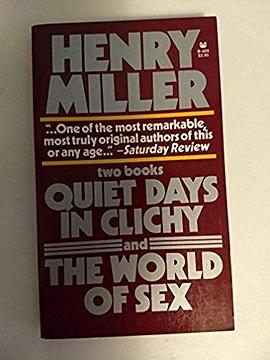
Quiet Days in Clichy and the World of Sex
DoubanThis tender and nostalgic work dates from the same period as Tropic of Cancer (1934). It is a celebration of love, art, and the Bohemian life at a time when the world was simpler and slower, and Miller an obscure, penniless young writer in Paris. Whether discussing the early days of his long friendship with Alfred Perles or his escapades at the Club Melody brothel, in Quiet Days in Clichy Miller describes a period that would shape his entire life and oeuvre.


Nexus
DoubanNexus, the last book of Henry Miller's epic trilogy The Rosy Crucifixion, is widely considered to be one of the landmarks of American fiction. In it, Miller vividly recalls his many years as a down-and-out writer in New York City, his friends, mistresses, and the unusual circumstances of his eventful life.
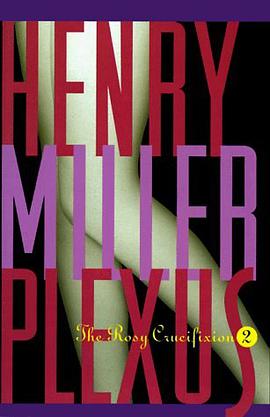

Sexus
Douban GoodreadsSexus is the first volume of the scandalous trilogy The Rosy Crucifixion, Henry Miller's major life work
Henry Miller called the end of his life in America and the start of a new, bohemian existence in 1930s Paris his 'rosy crucifixion'. His searing fictionalized autobiography of this time of liberation was banned for nearly twenty years. Sexus, the first volume in The Rosy Crucifixion trilogy, looks back to his early sexual escapades in Brooklyn, and his growing infatuation with the playful, teasing dance hall hostess who will become the great obsession of his life.