Classical
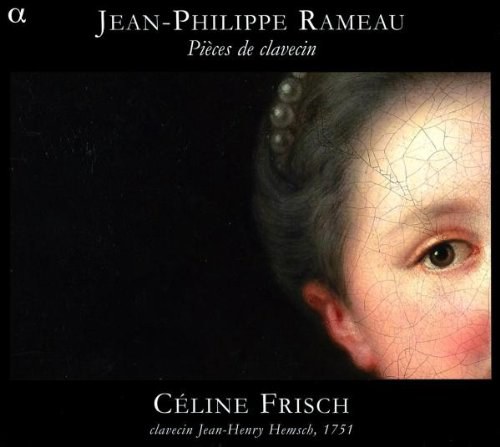
Rameau: Pieces de Clavecin
Douban
Jean-Philippe Rameau / Céline Frisch genre: Classical
release date 2009-01-13 publisher: Alpha Productions
Céline Frisch, the harpsichordist of Café Zimmermann, returns with a program entirely devoted to Jean-Philippe Rameau and recorded on a historic harpsichord built in 1750 by Hemsch. After the great success of her Goldberg Variations recording, and the release of music by d'Anglebert, the intelligence of touch and outstanding sound found here earn Frisch a deserved place in the Parnassus of Rameau's great interpreters.
Bartók:Concerto for Viola & Orchestra / Eötvös:Replica / Kurtág:Movement for Viola & Orchestra
Douban
Peter Eötvös / Netherlands Radio Chamber Orchestra … genre: Classical
release date 2000-06-13 publisher: ECM
尽管是一个问题乐器,和一首问题音乐,卡许卡湘(K. Kashknashian)将巴尔托克的中提琴协奏曲拉得淋漓尽致。 巴尔托克的中提琴协奏曲乃他的天鹅之歌,巴尔托克只完成初步草稿就去世了,他死后两年才由遗族委託其弟子谢尔利整理完成。谢尔利为了要符合巴尔托克原意可真是呕心沥血,但因为草稿写的杂乱无章难以判读,这首后人补写之作还是被视为问题音乐。尽管如此,此曲充满巴尔托克冕期的圆熟乐念,而且由于音域高不成低不就的中提琴缺乏杰作,此曲在中提琴协奏曲的地位仍无人能及。 CD中还收录另外两首同为匈牙利作曲家的曲子,分别是艾奥佛斯(PeterEotvos)为中提琴与管絃乐团的《复制》,以及柯泰格(Gyorgy Kurtag)的为中提琴与管絃乐团的乐章,它们都是对应巴尔托克的中提琴协奏曲之作。艾奥佛斯的《复制》甚至是一九九七年才出炉的新作,而且是为卡许卡湘量身订製的,可见得卡许卡湘这位亚美尼亚中提琴家的地位了。我不敢说她拉这些现代作品有多好多好,因为我也不是完全理解这些音乐,不过卡许卡湘的演奏在细腻中带有活力,是我非常肯定的。她与艾奥佛斯亲自指挥荷兰广播室内乐团的诠释,使得这些现代音乐变得很容易聆赏。 卡谢卡香 Kim Kashkashian说中提琴是最具人性的乐器,弦音不时散发着如凄如诉的悲情,也传诵着美丽如诗的喜悦。 身兼单亲妈妈和老师两个角色,Kashkashian在缺乏生涯计划的野心以及诸多困扰的挑战下,仍然在十年内交出了一张十分漂亮的成绩单。老实说,连天赋异禀的Nobuko Imai、似水柔情的Pinchas Zukerman、或天才乐手Yuri Bashmet,都无法提出等量的成果。在Kashkashian指尖中流转过的乐章不胜其数,其中包括巴哈、Hindemith,以及她所擅长的各种不同乐风;而创作或演奏的动力,则不仅来自于她内心的驱动,更来自同侪之间的鼓励。 Kashkashian最优秀的作品,就是受到了身兼ECM New Series老板与制作人的Manfred Eicher、合作多年的老友Robert Levis,以及曾经同台演出的指挥家Dennis Russell Davies的「支持」。曾经和Kashkashian密切合作过的作曲家还包括Krzysztof Pendereckigiya、Giya Kancheli、John Harbison 、Gyorgy Kurtag。 现年45岁的Kashkashian生于美国底特律。底特律城特有的悲伤消沉,让她在无形之中,更易于和许多东欧作曲家进行心灵沟通。举例而言,像Schnittke, Penderecki或Kancheli等人,即便是开玩笑所使用的语言,也多半充满着阴郁的色彩;而Kachkashian倒是早已习惯了这种澹澹的忧伤。事实上,就乐器的种类来说,中提琴本身向来就被视为”忧郁的情人”,不过,Kashkashian却一直有意呈现中提琴的另一面,展示出它更多面的特质。
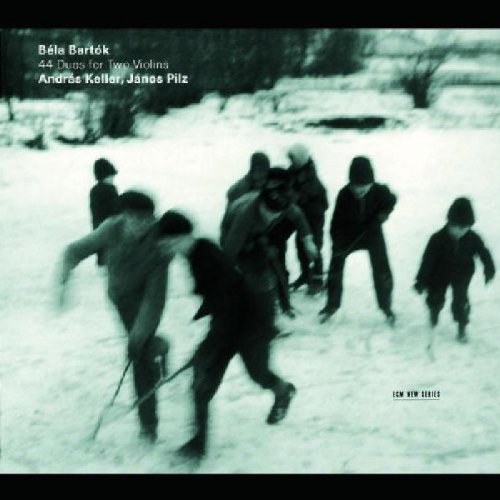
Béla Bartók: 44 Duos for Two Violins
Douban Spotify
Andras Keller / Janos Pilz
release date 2002-06-18 publisher: ECM New Series
1 Matchamaking Song 2 Maypole Dance 3 Menuetto 4 Summer Solstice Song 5 Summer Solstice Song -- facilite 6 Slovak Song 7 Hungarian Song 8 Walachian Song 9 Slovak Song 10 Play Song 11 Ruthenian Song 12 Cradle Song 13 Hay-Gathering Song 14 Wedding Song 15 Pillow Dance 16 Soldiers' Song 17 Burlesque 18 Hungarian March 19 Hungarian March (2) 20 A Fairy Tale 21 Alternating Song 22 New Year's Greeting 23 Mosquito Dance 24 Farewell to the Bride 25 Jeering Song 26 Hungarian Song (2) 27 Hungarian Song (2) -- facilite 28 Teasing Song 29 Linmping Dance 30 Sorrow 31 New Year's Greeting (2) 32 New Year's Greeting (3) 33 New Year's Greeting (4) 34 Dance from Maramaros 35 Harvest Song 36 Enumerating Song 37 Ruthenian Kolomeika 38 Bagpipes 39 Variant of No. 36 40 Prelude and Canon 41 Rumanian Whirling Dance 42 Serbian Dance 43 Walachian Dance 44 Scherzo 45 Arabian Song 46 Pizzicato
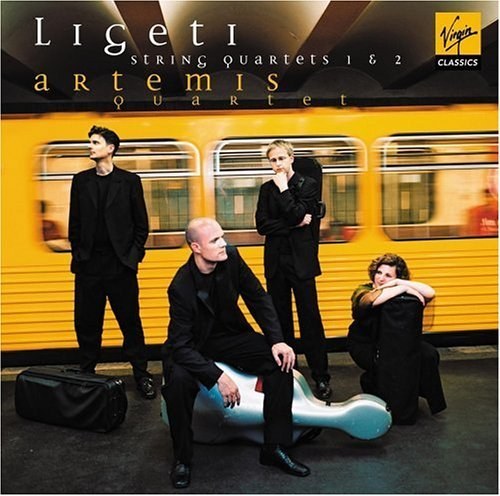
The Piazzolla Project
Douban
Artemis Quartet genre: Classical
release date 2009-06-30 publisher: Virgin Classics
It is perhaps no surprise that Crescendo magazine, reviewing the Artemis Quartet’s recent Virgin Classics CD of Schubert’s C major Quintet with Truls Mørk, said that the performance “could not be highly enough praised“. Perhaps more unexpected is that the Berlin-based string quartet has now joined forces with the Chilean pianist Jacques Ammon for a programme of music by Astor Piazzolla (1921–1992), the Argentinian master of the tango. Eckart Runge, the Artemis‘ cellist, has in fact been collaborating with Ammon over the past decade to create celloproject, a duo playing the music of Piazzolla, his predecessor Carlos Gardel, and composers from the worlds of jazz (such as Chick Corea) and film (such as Charlie Chaplin and Nino Rota). As Runge says: "In the mid-1980s, when I first heard the music of Astor Piazzolla, little known in Europe at the time ... it was like being struck by lightning. With its almost cruelly shattering immediacy -- reminiscent of Schubert, somewhere between dream-like beauty and deathly sadness – and a refined subtlety between joy and tears, reminiscent of Chaplin, it moved me deeply. Only some years later did I dare to play this music for myself for the first time. Immediately I began to do my best to bring together everything I could find out about this music and its history, and consequently visited Buenos Aires.“ Although tango is understood as a ’popular‘ rather than classical genre, Piazzolla studied with the famed composition teacher Nadia Boulanger and his musical collaborators over the years included figures from jazz and popular music – for instance the saxophonist Gerry Mulligan, the vibraphone player Gary Burton and the Italian chanteuse Milva – and classical musicians such as Salvatore Accardo, Mstislav Rostropovitsch and the Kronos Quartet. His output includes orchestral works, an opera and an oratorio. Perhaps his best-known work features on this disc, the Estaciones Porteñas (Seasons in Buenos Aires), inspired by Vivaldi’s Quattro stagioni and here performed by a piano trio. Runge explains: “The idea of the Piazzolla Project was to bring the authentic sonic and expressive palette of the tango to life with the inexhaustible possibilities of the string quartet, the piano trio and the piano quintet. Sometimes melting into the melancholy tones of the bandoneon, sometimes breaking out into the raw heterogeneity of the tango quintet, it represented a completely new encounter with sound, rhythm, style and gesture. It was a pleasure for me to share with my quartet colleagues the experience I had gathered over the years in my engagement with this culture. They were enthused by the depth and variety of the tango. For all of us, this music was a great inspiration and it exercised an enriching influence on our involvement with the classical chamber repertoire.”
Schubert - Trout Quintet, Death and the Maiden - Amadeus Quartet
Douban
★ 9.1 14 ratings
Emil Gilels / Rainer Zepperitz … genre: Classical
release date 1997-06-10 publisher: DG
《鳟鱼五重奏》: 一、《鳟鱼》五重奏的创作 奥地利作曲家舒伯特在他短短的一生中,曾经创作完成了许多室内乐作品。舒伯特的室内乐中,被认为艺术成就最高的是弦乐五重奏,而这首《鳟鱼》五重奏(OP.114号),则是他所有的室内乐作品中最著名、最受人喜爱的一首。这部作品旋律优美,充满明朗靓丽的光泽,洋溢着生命的无限活力,令聆听者难以忘怀。 由于作品的第四乐章是根据舒伯特创作的歌曲《鳟鱼》的主题而写成的变奏曲,所以这部作品被世人称为《鳟鱼》五重奏。《鳟鱼》五重奏写于 1819年,当时舒伯特仅仅22岁。 1819年夏天,舒伯特与著名的男中音歌唱家福格尔去奥地利北部阿尔卑斯山区的施泰尔小镇演出。福格尔的年龄已可作为舒伯特的父辈,当时享有很高的名望。但他非常欣赏还默默无闻的青年舒伯特的作品,并且不停地在各种场合演唱和介绍舒伯特的作品。两人演出时钢琴伴奏常常是年轻的舒伯特亲自担任。 停留在施泰尔期间,舒伯特应当地矿业经理、大提琴手潘加纳的委托,用他的歌曲《鳟鱼》的主题,创作一首室内乐。舒伯特常常徜徉徘徊在阿尔卑斯山区林木葱茏的山野之间,优美的景色,清新的空气,爽朗的夏日时光,为舒伯特带来了满怀的青春欢乐。这些快乐的回忆,化作新颖明丽婉转的乐思,出现在这部无比美好的钢琴五重奏中。作为抒情诗人,肖邦更多的是情感,舒伯特更多的是情趣。就情趣而言,我喜欢《鳟鱼》。 二、作品分析 第一乐 章是活泼的快板,奏鸣曲式。钢琴奏出了以分解和弦出现的引子,接着小提琴唱出了优美宁静、朴素安详的主部主题。主题稍作扩展后,钢琴奏出了颇富抒情风格的副部主部。在较严谨的展开部和再现部后,音乐以短小的尾声结束。这个乐章具有温婉明快清澈的感觉,乐思优美而浪漫。 第二乐章是行板,二段曲式。整个乐章静谧轻柔,钢琴奏出缕缕飘弥着奥国北部阿尔卑斯山岳地带气氛的歌谣风的旋律。中提琴抒情的吉普赛风格曲调交织着既温柔又忧愁的情感。二段音乐在反复后结束。这个乐章形式单纯,但相当妩媚而可爱。 第三乐章是一首谐谑曲。急速、轻快而精神充沛的主题以及弦乐与钢琴的问答显示出诙谐的情绪。中段是维也纳舞曲风的恬静而又愉快的音乐。 第四乐章是变奏曲式。脸炙人口的旋律描绘了深山溪流中自由悠游的小鳟鱼。小提琴优美的主题后,钢琴弹出第一变奏。第二变奏由中提琴主奏。第三变奏是借大提琴和大提琴演奏的浑厚的主题,沉重的音乐似乎令人感到了渔夫的脚步声。第四变奏是强大的和弦和阵阵的哀伤,好像是渔夫投网和小鳟鱼的挣扎。第五变奏大提琴奏出同情和忧伤。尾声中优美的主题再现,诉说着自由欢乐的永恒和美好终将到来。 第五乐章最快板,二段曲式。华丽而充满力感的音乐充计表现了作者在夏季愉快的旅行中明朗而宽阔的胸怀和对大自然的热爱。音乐在欢乐的情绪中结束。 这部作品有两个独特之处。通常五重奏的编制都是钢琴加上一组弦乐四重奏(即两把小提琴、一把中提琴、一把大提琴),也称为钢琴五重奏。而舒伯特的这部作品,却是由钢琴与小提琴、中提琴、大提琴、倍大提琴构成。减少了一把小提琴,增加了一把倍大提琴,使作品的低音声部浑厚、深沉。强大的低音使人倍感过瘾。特别是现代的爱乐者,有了出色的聆听器材对低频的上佳表现,加之人们对低频的偏爱,在此曲中便可尽情地享受了。这部作品的另一个独特之处是整部作品由五个乐章构成(一般为4个乐章)。全曲便形成了一首规模较大的室内乐作品。 这首《鳟鱼》篇幅将近40分钟。我把整个作品看作对溪水、鱼、渔夫以及三者关系的表现。第一、第二乐章我设想渔夫还没出现,所以是鱼与水在那样一种幽静而美丽的自然里的美妙交融。第一乐章钢琴表现的鱼的戏水,我简直能感觉到尾鳍在水中舒展和它溅起的水花在阳光下呈现出丰富的色彩。而当弦乐表现水流的交叉融合之后,钢琴反过来再表现溪水的清澈与晶莹,弦乐变成鱼儿在水中像箭一般穿梭。这种戏水的神妙只有在舒伯特音乐中才可以听到。 舒伯特的音乐常常是围绕一个极抒情的舞蹈化音型不断地通过轻重变化处理,变化出一连串精致的趣味。比如这个作品的第三、第五乐章。 我常常觉得这些自然的、不是刻意得来的趣味中有太多的神秘性。这也是舒伯特音乐中甜美的舞蹈性可以甜而不腻的真正原因。 听这部作品要注意低音的效果,注意大提琴低音提琴与钢琴的对比,别忘了舒伯特是为大提琴演奏家所作。 ——文章来源网络 作品《死神与少女》赏析: 宛如一部小型的音乐戏剧:在钢琴前奏中,死神踏着沉寂的脚步走向少女。低沉的音区和阴暗的和声,是死神的写照。面对死神步步逼近的威胁,少女发出了惊叫:伴奏奏着急促的节奏,体现了少女内心的惊慌、恐惧。在她唱到“我还年轻”的时候,旋律中出现两个小二度的进行,表现了少女对死的厌恶、对生的祈求。可是,她的抗拒是微弱的。冷酷的死神接着以丧钟般同音反复的音调,唱出了诱惑她长眠的歌声,特别是最后走向低八度的主音结束,更充分体现出死神的残忍、阴险。无辜的少女不得不向死神屈服。这是一篇对死的抗议书,也反映出在舒伯特所处的时代,软弱的市民阶层尽管力图抗拒,也无法摆脱那强大的封建黑暗势力。因此,这也是一出特定时代的悲剧,仿佛是舒伯特本人一曲自传式的悲歌。 这首四重奏,D小调,D816,因第二乐章主题旋律与舒伯特1817年创作的歌曲《死神与少女》类似而具标题。作于1824-1826年,1826年2月1日在维也纳约瑟夫.巴尔特家中首演。共4个乐章: 第一乐章 1.快板,D小调,奏鸣曲式。先是第一主题群的呈示,第一主题群有AB两个主题,两个主题中都有A的主导动机。然后第二主题群呈示,第二主题形成高潮,小结尾以第二主题断续表现而成。发展部以第二主题及A动机组成,第二主题以卡农方式展开处理。再现部以第二主题中的前半部旋律始,第一主题二度再现,第二主题转为D大调,然后以第一主题部的两个主题构成尾奏。 第二乐章 2.流畅的行板,G小调,由《死神与少女》的主题、6段变奏及尾奏组成。第一变奏中,第一小提琴转为分散音,第二小提琴的旋律宛如主旋律。第二主题以下,都以相当自由的创意作成,尾奏主题由各乐器分开演奏,孕育出梦幻情趣。 第三乐章 3.谐谑曲,很快的快板,D小调。谐谑曲主部突出了切分音效果,中段则保持一种美妙的流畅。 第四乐章 4.急板,D小调,回旋曲式,其主题类似于贝多芬的《克莱采奏鸣曲》。 吉列尔斯+阿马杜斯四重奏团版(DG 2530 646)。这个版本对比钢琴,小提琴,大提琴之间轮转翻覆,把整个曲子中大量的回旋和变奏表现得十分流畅,清新,隽永,层次分明但是又能相互烘托。钢琴家吉列尔斯不管是表现极细的水花,还是爆出来的低音部都富于变化,装饰音的处理随着情绪的不同有微妙的变化。
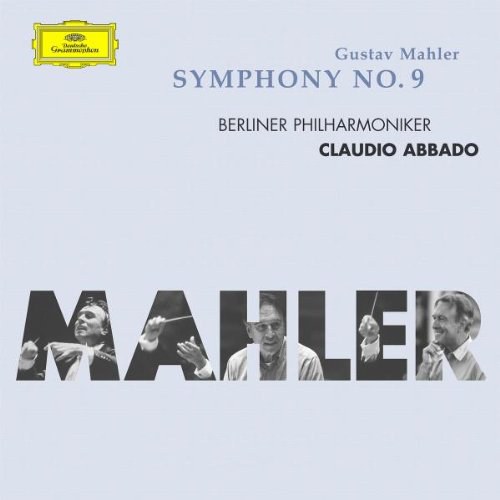
Mahler: Symphony No. 6
Douban
★ 9.2 6 ratings
Berliner Philharmoniker Claudio Abbado genre: Classical
release date 2005-06-14 publisher: Deutsche Grammophon
"Abbado remains the high priest of Mahler, the man with the key to a unique kind of beauty with these musicians. It's almost a religion. If you hear, you are converted." --- Financial Times
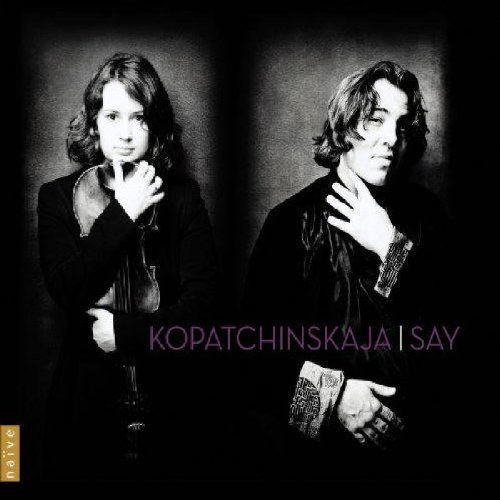
Kopatchinskaja / Say: Violin Sonatas
Douban
Patricia Kopatchinskaja / Fazil Say genre: Classical
release date 2008-09-16 publisher: Naïve
One of the most promising violinists of the new generation, young Moldovan Patricia Kopatchinskaja makes her Naïve debut with a captivating disc that includes Beethoven’s masterpiece, the “Kreutzer” Sonata, Ravel’s Violin Sonata, Bartók’s Romanian Dances and the premier recording of the Violin Sonata by her accompanist, the outstanding Turkish pianist and composer, Fazil Say. Beethoven’s Violin Sonata No. 9 in A, commonly known as the “Kreutzer” Sonata, was published in 1802, and is known for its demanding violin part, unusual length and emotional scope. The piece’s title comes from its dedicatee, Rodolphe Kreutzer, who was considered to be the finest violinist of the day. Ironically, Kreutzer never performed it, and considered it unplayable. Patricia Kopatchinskaja was born in Moldavia (now Moldova), and studied composition and the violin in Vienna and Berne before winning first prize in the International Henryk Szeryng Competition in 2000, followed two years later by the prestigious Crédit Suisse Group Young Artist Award. She represented Austria in the ‘Rising Stars’ concert series in the main European centres and New York. In 2004 she received the New Talent-SPP Award from the EBU and in 2006 the Förderpreis Deutschlandfunk, and now plays with leading orchestras and major festivals worldwide. More information at Born in Ankara in Turkey, Fazil Say studied piano and composition at the State Conservatory of his home city. At 17 he was awarded a scholarship enabling him to work for five years with David Levine at the Robert Schumann Institute in Düsseldorf. From 1992-1995 he pursued his studies at the Berlin Conservatory. Say’s discography includes Stravinsky’s four-hand arrangement of The Rite of Spring, in which he plays both parts himself. This recording brought him several international awards, including the 2001 EchoPreis Klassik and the German Music Critics’ Best Recording of the Year. For Naïve, he has made recordings of Mozart Piano Concertos Nos. 21, 21 & 23 (V4992) and Beethoven’s ‘Appassionata’, ‘Tempest’ & ‘Waldstein’ Sonatas (V5016), and his own music, Black Earth (V4954). His most recent CD, a selection of Haydn Sonatas (V5070), was released in 2007. He gives a recital at the Edinburgh International Festival on 19 August.
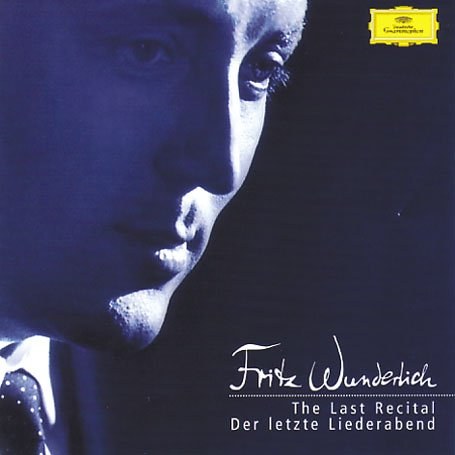
Fritz Wunderlich - The Last Recital
Douban
Fritz Wunderlich / Hubert Giesen
release date 2003-09-15 publisher: Deutsche Grammophon
详细内容: Der letzte LiederabendLieder von Beethoven,Schubert,Schumann und StraussThe Last RecitalSongs of Beethoven,Schubert,Schumann and Strauss广告语: 弗里茨·翁德里西最后的音乐会:德国声乐史上最伟大的抒情男高音歌唱家弗里茨·翁德里西生平最后一场现场音乐会录音。演绎贝多芬、舒伯特、理查·施特劳斯、舒曼四位德国作曲家经典艺术歌曲