视觉文化
Iconographies of Occupation
Douban
Jeremy E. Taylor publishing house: University of Hawaii Press 2021 - 2
Iconographies of Occupation is the first book to address how the “collaborationist” Reorganized National Government (RNG) in Japanese-occupied China sought to visualize its leader, Wang Jingwei (1883–1944); the Chinese people; and China itself. It explores the ways in which this administration sought to present itself to the people over which it ruled at different points between 1939 (when the RNG was first being formulated) and August 1945, when it folded itself out of existence. What sorts of visual tropes were used in regime iconography and how were these used? What can the intertextual movement of visual tropes and motifs tell us about RNG artists and intellectuals and their understanding of the occupation and the war? Drawing on rarely before used archival records relating to propaganda and a range of visual media produced in occupied China by the RNG, the book examines the means used by this “client regime” to carve out a separate visual space for itself by reviving pre-war Chinese methods of iconography and by adopting techniques, symbols, and visual tropes from the occupying Japanese and their allies. Ultimately, however, the “occupied gaze” that was developed by Wang’s administration was undermined by its ultimate reliance on Japanese acquiescence for survival. In the continually shifting and fragmented iconographies that the RNG developed over the course of its short existence, we find an administration that was never completely in control of its own fate—or its message. Iconographies of Occupation presents a thoroughly original visual history approach to the study of a much-maligned regime and opens up new ways of understanding its place in wartime China. It also brings China under the RNG into dialogue with wider theoretical debates about the significance of “the visual” in the cultural politics of foreign occupation more broadly.
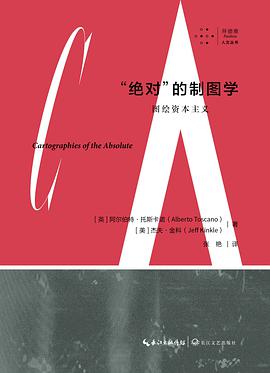
“绝对”的制图学:图绘资本主义
Cartographies of the Absolute Douban
[英]阿尔伯特·托斯卡诺 / [美]杰夫·金科 translator: 张艳 publishing house: 拜德雅 | 长江文艺出版社 2021 - 6
-编辑推荐- 资本是否可以被看见? 我们从月球上能看到多少资本主义的影子? 一次对西方认知图绘力量的大型巡礼 一次对理论、媒体和艺术的反资本主义面向的探索 重温弗雷德里克•詹姆逊在认知图绘方面的里程碑式工作 聚焦一直伴随资本主义持续性危机的表征危机 看电视编剧、好莱坞导演和魅力四射或处于挣扎中的艺术家们如何演绎出资本主义剥削体系中复杂、混乱和邪恶的东西 呈现那些与主宰我们生活的广阔、不可见且复杂的抽象性作斗争的全新视界与全新的艺术作品 -内容简介- 本书在弗雷德里克•詹姆逊研究的基础上,对表征和图绘晚期资本主义时期的世界体系这一重大议题做了详尽的研究。书名中的“制图学”这一术语来自詹姆逊著名的、讨论后现代主义时所使用的“认知图绘”一词,它试图突破“整体性不可被表征”的后现代困境,是一种力图去“表征”整体性的政治策略。 作者列举了大量实例,包括摄影艺术和电影艺术,这一系列在最近几十年产生的艺术作品都回应了詹姆逊所提出的如何表征全球体系的问题。詹姆逊的“认知图绘”很大程度上将空间问题变成了“表征”全球化、后现代状况的核心问题。在本书中,作者深入探讨了各种空间,不仅有地形学空间,还有社会空间、经济空间和文化空间等;他还比詹姆逊更加具体而微地处理了我们当今社会的一些新状况,比如我们生活中无处不在的导航系统、定位系统等代表科技精确性的一些“图绘”技术,而书名中的“绝对”一词指示的就是这种“绝对精确”。 本书具有极大的理论潜力,特别是让我认识到了当代艺术家在表征世界体系时的可能性以及重要性,他们的作品为我们探索表征问题提供了足够的启发。 -媒体/名人评论- 本书是一次大型的博物馆展览,展出了各种物质和精神方面的人工制品,并有意无意地传达出晚期资本主义中随处可见的残忍的极权主义;它同时也是一项深刻的理论工作:事实上,它呼吁我们去思考这个资本主义系统以及如何使其可见的全新的哲学思想,它要求我们以一种全新的观念来看待批评的任务和艺术本身的生产。 ——弗雷德里克•詹姆逊 本书带领我们超越了如今流行的透视主义和平面本体论,也带领我们超越了陈旧的(通常是寂静主义的)公式,它们认为资本主义的现代复杂性永远不可能为人类所把握。作者为一系列美学实践提供了至关重要的见解,并让我们看到了,那些要刺破我们面前的物化社会形式所必需的扭曲、折射和狡计,他们阐述了一种“非正统”的总体主义实践,以此来对抗资本的有限视界。 ——盖尔•戴 在过去的十年中,我们的文化只有一个简单的职责:成为萧条时期的梦想生活。它用各种参差不齐、庸俗、混乱、美好等方式回应了这一呼吁,但它最终还是对这场可恶的灾难进行了一种隐晦的解读。我们要如何才能从流动的图像中醒来,如何才能从梦中跳到现今的地图上呢?在这里,我们需要一群阅读文化的理想读者,本书的作者就最接近于这种理想读者。他们对宏大景观和全球资本转变的大胆呈现成为一种新知识,这是一种我们可以从中找到方向和可能性的精神寄托。 ——约书亚•克洛弗 关于我们如何看见、表征和理解塑造我们历史时刻的最伟大力量这一最棘手也最紧迫的问题,本书提供了一份重要的指南。 ——特雷弗•帕格伦
理解视觉文化的方法
Approaches To Understanding Visual Culture Douban
[英]马尔科姆•巴纳德 translator: 常宁生 publishing house: 商务印书馆 2013 - 2
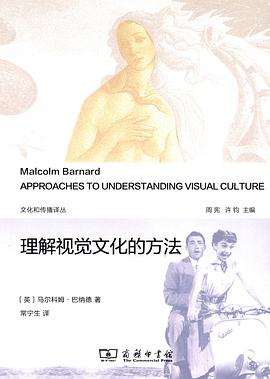
本书旨在介绍了被用来理解艺术和设计的主要方法,如风格和形式的方法、表现主义的方法、马克思主义的方法、女性主义的方法、图像学的方法和符号学的方法。作者从欧美视觉文化中选用了丰富多彩的例证,以此介绍了这些方法的主要倡导者和支持者,并分析和解释了关于这些方法的最重要的观点、争论和的成就。
艺术、历史、视觉、文化
Douban
[英] 德波拉·切利 编 translator: 杨冰莹 梁舒涵 等译 / 王春辰 审校 publishing house: 江苏美术出版社 2010 - 1
《艺术、历史、视觉、文化》一书收录了国际上重要学者针对该问题撰写的创建性学术文章。《艺术、历史、视觉、文化》各篇论文涉及多种文化、地点和历史时期,从8世纪的中国到当前的南非,从拜占庭到早期现代和现代欧洲,这些学者运用视觉性、视看和凝视理论,探索了超越视觉的艺术史。因此提供的不仅仅是图像的研究,而是将视觉与空间、视觉与身体、视觉与视觉,以及审美与感觉联系起来。 就当前学术界所关注的这些焦点问题,他们进行了精彩、深刻的反思,因此对于任何从事视觉研究的人而言,《艺术、历史、视觉、文化》都是一本必读书。
战争、影像与国际关系
Douban
[英] 米连那·米哈尔斯基 (Milena Michalski) translator: 李智 2017 - 3
这本书探讨了影像如何影响战争,以及影像是否会影响我 们对战争的理解。至关重要的是,不断变化的影像如何影响当代战争的合法性、具体行动以及结果。通过对美国、英国、中东、俄罗斯和非洲等地的相关研究,作者引入了“变化的影像”这一概念,并认为这是当代武装冲突的关键武器。
Looking On
Douban
Rosemary Betterton publishing house: Pandora P. 1987
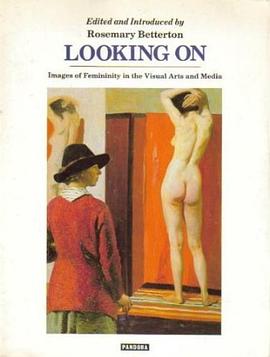
Synopsis This collection of articles by feminist writers explores the different ways in which images of women in advertising, magazines, fine art, fashion, and pornography continue to influence commonly-held perceptions of femininity and female sexuality. They show how these images are constantly being reworked and remade in changing cultural and social contexts. Developing original and exciting connections between visual arts and the media Rosemary Betterton bridges the gap between more advanced theoretical work and our everyday practices of looking at and making sense of images of femininity.
Revisualizing Visual Culture
Douban
Chris Bailey publishing house: Ashgate Publishing Limited 2010 - 1
In the past twenty years digital technology has had a radical impact on all the disciplines associated with the visual arts - this book provides expert views of that impact. By looking at the advanced ICT methods now being employed, this volume details the long-lasting effects and advances now made possible in art history and its associated disciplines. The authors analyze the most advanced and significant tools and technologies, from the ongoing development of the Semantic Web to 3D visualization, focusing on the study of art in the various contexts of cultural heritage collections, digital repositories and archives. They also evaluate the impact of advanced ICT methods from technical, methodological and philosophical perspectives, projecting supported theories for the future of scholarship in this field. The book not only charts the developments that have taken place until now but also indicates which advanced methods promise most for the future.
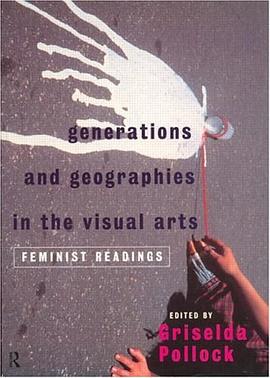
Generations and Geographies in the Visual Arts
Douban
Pollock, Griselda 编 1996
In Generations and Geographies in the Visual Achallenge of Arts: Feminist Readings the challenge of contemporary feminist theory encounters the provocation of the visual arts made by women in the twentieth century. The major issue is difference: sexual, cultural and social. The book points to the singularity of each artist's creative negotiation of time and historical and political circumstance. Griselda Pollock calls attention to the significance of place, location and cultural diversity, connecting issues of sexuality to those of nationality, imperialism, migration, diaspora and genocide.
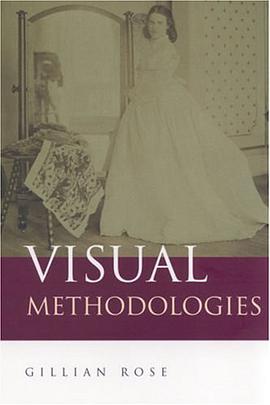
Visual Methodologies
Douban
Gillian Rose publishing house: Sage Publications Ltd 2001 - 1
Visual Methodologies is an introduction to reading visual culture. It explains which methods are available to the undergraduate student and shows exactly how to use them. The text begins with a discussion of general themes and recent debates, on the meaning of culture and the function of the visual, that offers a critical inquiry into the relation of visual images to social identities and social relations. Following chapters then go on to investigate in detail - through an integrated theoretical and applied discussion - different methods for interpreting visual images. The strengths and weaknesses of each method are discussed in relation to a detailed case study, as well as to the more general issues outlined in the introduction. These methods include: · Compositional interpretation · Content analysis · Semiology · Psychoanalysis · Discourse analysis · Audience analysis An integrated primer on studying visual culture - illustrated throughout, with key terms cross-referenced and defined - Visual Methodologies will be the first reference for any undergraduate in the social sciences beginning research.
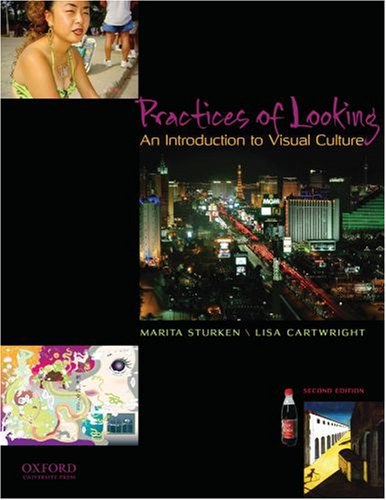
Practices of Looking
Douban
Sturken, Marita/ Cartwright, Lisa publishing house: OUP USA 2009 - 1
Visual culture is central to how we communicate. Our lives are dominated by images and by visual technologies that allow for the local and global circulation of ideas, information, and politics. In this increasingly visual world, how can we best decipher and understand the many ways that our everyday lives are organized around looking practices and the many images we encounter each day? Now in a new edition, Practices of Looking: An Introduction to Visual Culture provides a comprehensive and engaging overview of how we understand a wide array of visual media and how we use images to express ourselves, to communicate, to play, and to learn. Marita Sturken and Lisa Cartwright--two leading scholars in the emergent and dynamic field of visual culture and communication--examine the diverse range of approaches to visual analysis and lead students through key theories and concepts. Using clear, accessible language, vivid examples, and more than 250 full-color illustrations, the authors both explain and apply theory as they discuss how we see paintings, prints, photographs, film, television, video, advertisements, the news, the Internet, digital media, and visualization techniques in medicine and science. This truly interdisciplinary text bridges art history, film, media, and cultural studies to investigate how images carry meaning within and between different cultural arenas in everyday life, from art and commerce to science and the law. Sturken and Cartwright analyze images in relation to a wide spectrum of cultural and representational issues (desire, power, the gaze, bodies, sexuality, and ethnicity) and methodologies (semiotics, Marxism, psychoanalysis, feminism, and postcolonial theory). Thoroughly updated to incorporate cutting-edge theoretical research, the second edition examines the following new topics: the surge of new media technologies; the impact of globalization on the flow of information and media form and content; and how nationalism and security concerns have changed our looking practices in the aftermath of 9/11. Challenging yet accessible, Practices of Looking is ideal for courses across a range of disciplines, including media and film studies, communications, art history, and photography. Beautifully designed and now in a larger format and in full color throughout, Practices of Looking is an invaluable guide to understanding the complexities, contradictions, and pleasures of the visual world. Instructor's manual availalbe online.
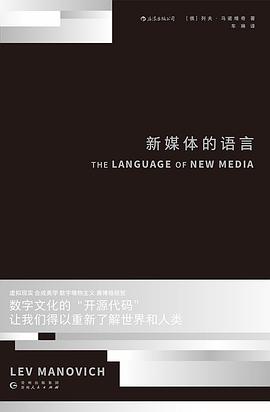
新媒体的语言
The Language of New Media Douban
★ 8.9 14 ratings
[俄] 列夫·马诺维奇 / Lev Manovich translator: 车琳 publishing house: 后浪丨贵州人民出版社 2020 - 8
21世纪数字媒体革命的理论奠基之作 麦克卢汉后最重要的媒体思想家 刷新《理解媒介》对媒体技术与人类未来的预言 解码数字时代的文化形态和视觉美学 麻省理工学院出版社认知突围名著 问世20周年,15种语言译本影响全世界 跨越人文与科技鸿沟,连接学界与业界 全球数百高校学术项目推荐阅读书目 —————————————————————— 在“新媒体”还炙手可热的时候,马诺维奇就看到了变革的创造性可能,但他从未落入“新媒体没有历史”“新媒体单枪匹马创造了一个新世界”的窠臼。他的眼光是独到的、冒险的、有说服力的。 ——汤姆•冈宁,当代电影理论家 —————————————————————— 📖编辑推荐 —————————————————————— 媒体与计算机的相遇改变了二者的定义。 从此,计算机成为媒体的合成者和操控者,“新媒体”就此诞生。 媒体是人的延伸,当媒体更新换代,将如何影响我们感知世界的方式?“新媒体”为我们描绘出怎样的世界? 本书预言了我们正生活于其中的未来,也记录下了一些没有实现的可能性,以及那些前人展望,但后人无法想象的视界。 - - - - - - - - - - - - - - - - - - - - - - - - - - - - ☆ “最有趣的未来建设者”列夫•马诺维奇 列夫•马诺维奇是一位媒体理论学者,也是世界上蕞早运用计算机数字特效的程序员暨艺术家之一。他接受过古典绘画、建筑学、计算机编程、视觉科学与认知心理学、文化研究等方面的训练。在他和马云、埃隆•马斯克、蒂姆•库克等人被列入“50位蕞有趣的未来建设者”时,媒体给出注解是“关于我们与计算机交互的方式,蕞聪明的声音之一”。 - - - - - - - - - - - - - - - - - - - - - - - - - - - - ☆ 新媒体理论开山之作,系统化详尽分析新媒体视觉美学 在电影发展史上,众多的大师之作完善了电影的语言。随着计算机的普及,新媒体作品层出不穷,我们应该如何认识这些作品所使用的语言呢?新媒体语言的历史和理论亟待建立。在这本开创性的书中,列夫•马诺维奇朝着这个目标,做了大量基础性的概念工作。 - - - - - - - - - - - - - - - - - - - - - - - - - - - - ☆ 新媒体并非凭空诞生,它从何而来? 马诺维奇借鉴电影理论、艺术史、文学、计算机科学等学科的理论,试图从绘画、摄影、电影和电视中追溯新媒体美学的源头,在视觉与物质文化史的空间中绘出一系列轨迹,新媒体就位于这条轨迹之上。 - - - - - - - - - - - - - - - - - - - - - - - - - - - - ☆ 新媒体多种多样,如何被归纳为一门语言? 马诺维奇考察了数字影像、人机交互界面、超媒体、计算机游戏、合成、动画、远程在场及虚拟世界等新媒体领域,归纳出独属新媒体的维度以及创作范式,也引出全新的概念:文化交互界面、空间蒙太奇、影图…… - - - - - - - - - - - - - - - - - - - - - - - - - - - - ☆ 新媒体时代,电影还是会是我们今天熟知的样子吗? 曾几何时,电影影像在黑暗的影院中主宰一切。在数字时代,电影是计算机屏幕上的小小窗口、网络中的一条数据流、硬盘中众多文件中的一个——电影已经成为一种代码。马诺维奇做出了关于未来电影的预言,一些预言已经实现,另一些则揭开了电影发展史上的另一种可能。 - - - - - - - - - - - - - - - - - - - - - - - - - - - - ☆ 新媒体的语言,便是未来文化生态的语言,是未来人类感知世界的语言 新媒体增强了现有的文化形式和语言,也为重新定义它们打开了大门——它将文化和文化理论转化为一种“开源代码”,给予我们一个重新思考世界和人类的机会。 - - - - - - - - - - - - - - - - - - - - - - - - - - - - ☆ 封面暗藏复古与新锐元素,呼应新媒体“史前史” 护封的设计灵感源自故障艺术(Glitch Art)、DOS系统命令行、90年代初计算机交互界面风格、电影胶片,印刷上选用了手感特殊的土豆淀粉艺术纸以衬托未来感印银工艺,极具收藏价值。 —————————————————————— 📖内容简介 —————————————————————— 本书力图为新媒体研究这一新兴领域描绘出一幅未来的发展图景。作者将新媒体置于过去几个世纪以来的视觉与媒体文化史框架中,揭示了新媒体在技术与文化方面的来龙去脉。在本书中,作者运用艺术、人文、计算机等学科的相关理论,讨论新媒体对旧媒体传统的借鉴,展示新媒体作品如何创造现实的假象、与观众交互、呈现空间,涵盖虚拟现实、计算机游戏、人机交互界面等多种新媒体类型。书中详细地阐述了新媒体的普遍法则与逻辑。此外,作者还考察了新媒体时代的到来如何影响了电影语言的演进。 在宏大的历史视野下,本书引出了一个问题——“新媒体”从何而来,又如何为我们打开了前所未见的世界? 本书被全球数百个学术项目用作教学参考书,曾被译为俄、法、意、日、韩等多种语言。中文版是其第十五个语言版本。
落差
La Dénivelée : A l'épreuve de la photographie Douban
[法] 于贝尔·达弥施 translator: 董强 publishing house: 广西师范大学出版社 2011 - 7
本书是法国艺术史家于贝尔•达弥施有关摄影与电影研究成果的汇总,分为四个部分:第一部分探讨摄影的本质,同时提出一个一直萦绕着他的问题:摄影是没有历史的,或者说,由于摄影的本质,不可能存在一种摄影史——哪怕在纪念他所崇敬的瓦尔特•本雅明撰写的《摄影小史》时,他也多次重申这一问题;第二部分,分述三种不同的摄影实践,包括曾经昙花一现的立体视像、法国当代作家兼摄影家德尼•洛什的创作,以及加拿大多才多艺的全能艺术家迈克尔•斯诺的作品;第三部分专门讨论“建筑摄影”这一特殊类型;第四部分探讨运动的图像,也就是电影中的影像,最终提出一个“节奏-影像”的概念,与德勒兹的“时间-影像”与“运动-影像”相映成趣。
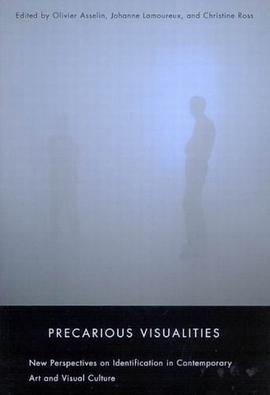
Precarious Visualities
Douban
Asselin, Olivier (EDT)/ Lamoureux, Johanne (EDT)/ Ross, Christine (EDT) 2008 - 7
Bringing together international scholars from various disciplines, "Precarious Visualities" examines the transformation of our relation to images in contemporary visual culture. Through the study of exemplary media arts works and practices - photography, film, video, performance, installations, webcams, etc - these essays call attention to the precarious attachments of contemporary spectatorship. To look at an image that prevents the stabilization of identification, identity and place; to perceive a representation that keeps oscillating between visibility and invisibility; to be interpellated by screen-images that have ceased to mirror, resemble or refer in that their power lies exclusively on their simulating, hallucinating, blinding or generating function; to relate to an image which entails a rebalancing of sight through the valorization of other senses; to be exposed - through surveillance devices - to the gaze of new figures of authority, unanticipated. Others: the aesthetic experiences examined here concern a spectator whose perception lacks in certainty, identification and opticality what it gains in fallibility, complexity and interrelatedness. Attentive to these precarious attachments, "Precarious Visualities" provides a new understanding of spectatorship, as a relation that is at once corporeal and imaginary, yet persistently prolific in its cultural, social and political effects.
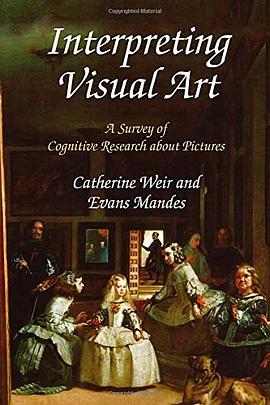
Interpreting Visual Art: A Survey of Cognitive Research About Pictures
Douban
Interpreting Visual Art explores the psychological and cognitive mechanisms that underlie one's interpretation of art. After the brain encodes visual information, this encoding is then processed by perceptual mechanisms to identify objects and depth in pictures. The brain incorporates many factors in order for people to "see" the art. Cognitive processes have a major role in how people interpret artworks because attention, memory, and language are also linked to the aesthetic experience. Catherine Weir and Evans Mandes first examine major attributes of aesthetic judgement - balance, symmetry, color, line, and shape - from an empirical point of view as opposed to more philosophical and speculative approaches. Then, they explore the perceptual process, paying special attention to art history in the Western world and emphasizing techniques from cave paintings to modern art. The role beauty and emotions play in our interpretations of pictures have been investigated from many approaches: evolutionary psychology, neuroscience, and appraisal theory. Through the application of empirical research in cognitive science to master works from Botticelli to Pollock, readers are introduced to a research-oriented understanding of how art has been perceived, interpreted, and appreciated in the twenty-first century. This book will appeal to those interested in art as well as those teaching art history, psychology, and neuroscience.
Interpreting Visual Culture
Douban
Ian Heywood publishing house: Routledge 1999 - 1
Interpreting Visual Culture brings together original writings from leading experts in art history, philosophy, sociology and cultural studies. Ranging from an analysis of the role of vision in current critical discourse to discussion of specific examples taken from the visual arts, ethics and sociology, it presents the latest material on the interpretation of the visual in modern culture. Among topics covered are: * the visual rhetoric of modernity * the drawings of Bonnard * recent feminist art * practices and perception in arts and ethics.
Dealing with the Visual: Art History, Aesthetics and Visual Culture
Douban
One of the issues underlying current debates between practitioners of art history, visual culture and aesthetics is whether the visual is a unique, irreducible category, or whether it can be assimilated with the textual or verbal without any significant loss. Can paintings, buildings or installations be 'read' in the way texts are read or deciphered, or do works of visual art ask for their own kind of appreciation? This is not only a question of choosing the right method in dealing with visual works of art, but also an issue that touches on the roots of the disciplines involved: can a case be made for the visual as an irreducible category of art, and if so, how is it best studied and appreciated? In this anthology, this question is approached from the angles of three disciplines: aesthetics, visual culture and art history. Unlike many existing overviews of visual culture studies, it includes both painting and architecture, and investigates historical ways of defining and appreciating the visual in their own, contemporary terms. Dealing with the Visual will be of great use to advanced students because it offers an overview of current debates, and to graduate students and professionals in the field because the essays offer in-depth investigations of the methodological issues involved and various historical ways of defining visuality. The topics included range from early modern ways of viewing pictures and sixteenth-century views of Palladio's villas in their landscape settings to contemporary debate about whether there is life yet in painting.
Collage Culture
Douban
David Banash publishing house: Rodopi 2013 - 6
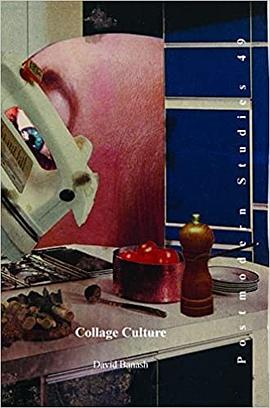
Collage Culture develops a comprehensive theory of the origins and meanings of collage and readymades in modern and postmodern art, literature, and everyday life. Demonstrating that the origins of collage are found in assembly line technologies and mass media forms of layout and advertising in early twentieth-century newspapers, Collage Culture traces how the historical avant-garde turns the fragmentation of Fordist production against nationalist, fascist, and capitalist ideologies, using the radical potential unleashed by new technologies to produce critical collages. David Banash adeptly surveys the reinvention of collage by a generation of postmodern artists who develop new forms including cut-ups, sampling, zines, plagiarism, and copying to cope with the banalities and demands of consumer culture. Banash argues that collage mirrors the profoundly dialectical relations between the cut of assembly lines and the readymades of consumerism even as its cutting-edges move against the imperatives of passive consumption and disposability instituted by those technologies, forms, and relations. Collage Culture surveys and analyzes works of advertising, assemblage, film, literature, music, painting, and photography from the historical avant-garde to the most recent developments of postmodernism.
The Visual Culture Reader
Douban
Mirzoeff, Nicholas 编 publishing house: Routledge 2012 - 7
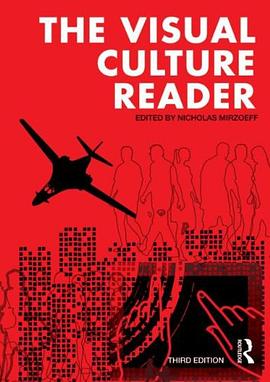
Ten years after the last edition, this thoroughly revised and updated third edition of The Visual Culture Reader highlights the transformed and expanded nature of globalized visual cultures. It assembles key new writings, visual essays and specially commissioned articles, emphasizing the intersections of the Web 2.0, digital cultures, globalization, visual arts and media, and the visualizations of war. The volume attests to the maturity and exciting development of this cutting-edge field. Fully illustrated throughout, The Reader features an introductory section tracing the development of what editor Nicholas Mirzoeff calls "critical visuality studies." It develops into thematic sections, each prefaced by an introduction by the editor, with an emphasis on global coverage. Each thematic section includes suggestions for further reading. Thematic sections include: Expansions War and Violence Attention and Visualizing Economy Bodies and Minds Histories and Memories (Post/De/Neo)Colonial Visualities Media and Mediations Taken as a whole, these 47 essays provide a vital introduction to the diversity of contemporary visual culture studies and a key resource for research and teaching in the field. Contributors: Ackbar Abbas, Morana Alac, Malek Alloula, Ariella Azoulay, Zainab Bahrani, Jonathan L. Beller,Suzanne Preston Blier, Lisa Cartwright, Dipesh Chakrabarty, Wendy Hui Kyong Chun, Beth Coleman, Teddy Cruz, Rene Descartes, Faisal Devji, Henry Drewal, Okwui Enwezor, Frantz Fanon, Allen Feldman, Mark Fisher, Finbarr Barry Flood, Anne Friedberg, Alex Galloway, Faye Ginsburg, Derek Gregory, J. Jack Halberstam, Donna Haraway, Brian Holmes, Amelia Jones, Georgina Kleege, Sarat Maharaj, Brian Massumi, Carol Mavor, Tara McPherson, Nicholas Mirzoeff, Timothy Mitchell, W. J. T. Mitchell, Naeem Mohaiemen, Fred Moten, Lisa Nakamura, Trevor Paglen, Lisa Parks, Sumathi Ramaswamy, Jacques Ranciere, Andrew Ross, Terence E. Smith, Marita Sturken, Paolo Virno, Eyal Weizman