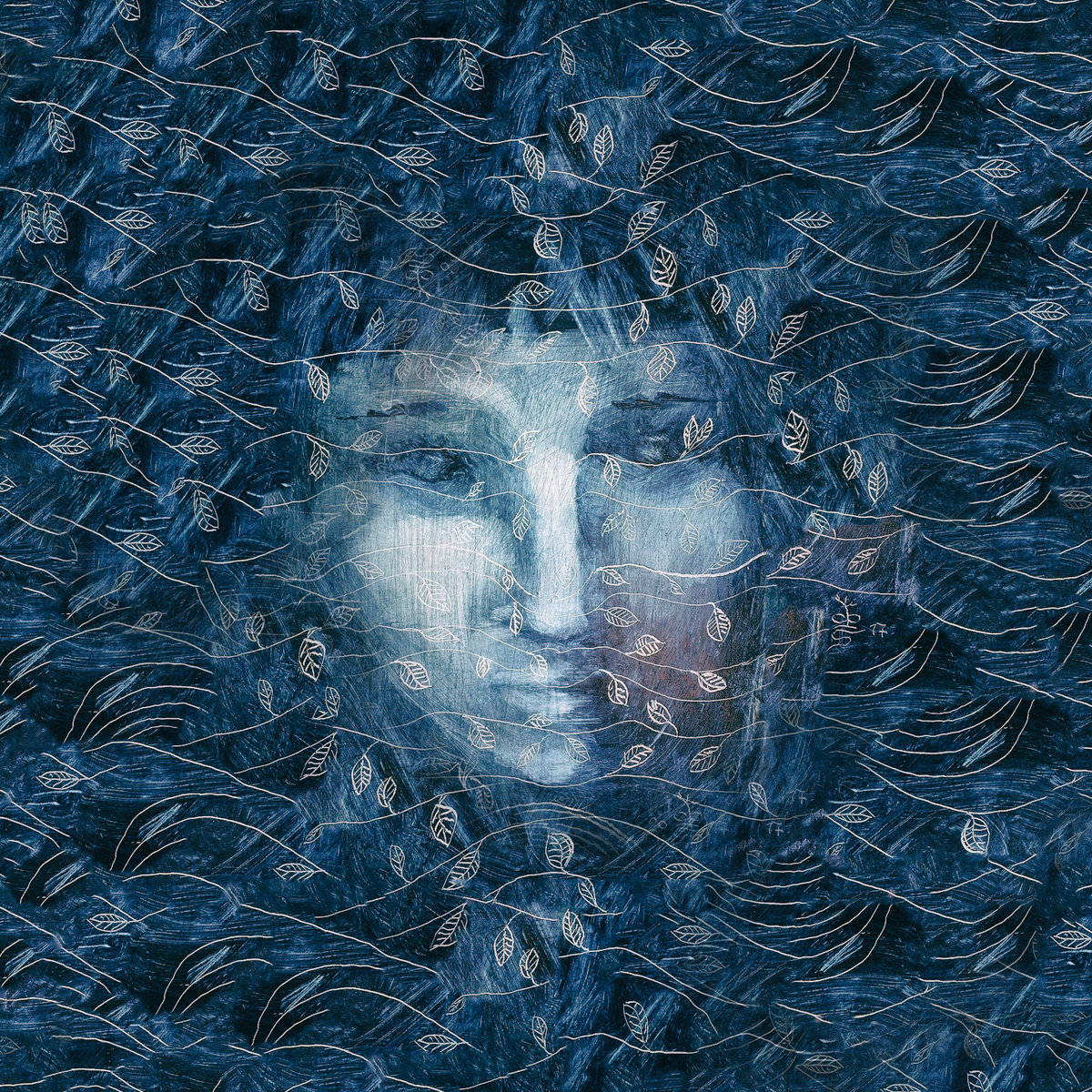
Short story behind of Ataraxia
I can remember those days well. Scorching summer made our daily lives difficult. Thoughts too were only willing to emerge with a tiring effort. Even they thought it was better to hide in the darker, cooler refuge of the mind, where they could rest undisturbed and weave plans free from the heat. Insomnia tormented for days. During the day, I lived almost instinctively, thoughtlessly. At night however, when the darkness overwhelmed everything, thoughts ventured out of their hiding places and forced me into a dialogue. My mind was stripped, as they came to the standpoint they had found in the cooling shadow without me. We started talking and they asked their questions.
They asked: Why are you convinced that the world around you exists? You may be surprised at the question, but let’s just take a closer look at the question: what lays the foundation for the self-existence of beings if you can never experience this self-independence. Maybe you see into the minds of others? Maybe you feel the feelings of others? Or are you just aware of others or able to perceive? But if you feel the feelings of others, don’t they become exactly your own feelings? If you see the thoughts of others, will they not be exactly your thoughts? If you could perceive the consciousness of another, wouldn’t it become your own consciousness? Such thing that two does not exist. There is only one. A consciousness, a thought, a feeling. There are people, living beings, beings around you. Are they there always, or only if they appear in your consciousness?
Because while they appear in your mind, you can justify their existence because you perceive them, but how do they exist when you are not perceiving them? Is it existence or non-existence? Let’s take a more universal example. Suppose if all sources had disappeared about the Egyptian civilization. Thus, no one but themselves would have known of their existence. With what existence can you describe that the name of which you can not even say? In such a case, even non-existing is too little to describe it, because you cannot even mark the object, since it does not exist in your consciousness. Can anything beyond consciousness exist in this way? Just imagine it as a canvas on which colors appear, which become the image, the painting itself.
If there is no canvas (consciousness), there is no existence either. But let's not rush things. Let's take a closer look at vision. You claim that what you see exists independently of you (too). Do you intentionally want to narrow your consciousness and lock it in your body? Let's do that. Suppose the world exists in itself. Everything you experience is in the world. Animals, trees, objects, people and even yourself! But I have a question. When you see something do you see it in its true reality? What your vision is focused on - or any of your senses -, does that exist really in that way? You assumed that there was an objective reality around you. How can you define anything objective about the world if you can only perceive the world through yourself? Will this objectivity inadvertently become subjectivity? Or maybe the object sees itself? Does the world perceive itself? Isn’t total objectivity exactly when a given object perceives itself in its “objectivity” but in the meantime doesn’t know about its own “objectivity”? Because if that happened, it would immediately become a subject and lose its objectivity. Only “is” the complete objectivity. Because, ad absurdum, no one has ever seen existence among the existing, the true existence of their existence. For this, it is the consciousness and perception that must cease, so that the real face of reality can be revealed. That is just as impossible as you claiming the existence of objective reality. Only death, or the cessation of the subject could create objective reality, if there were any reality at all outside the perceiver. The subject itself clings to everything and perceives everything through the subject. That is why there can be no objectivity. Remember how Schoppenhauer said it? “I see no sun, only eyes that see the sun. I am not touching the ground, I am touching a hand that touches the ground.”
To better understand, just play with the following thought. What happens when you dream? You see pictures, people, figures. Your consciousness forms them into what they are. Do they have an independent existence outside of you? Do they have independence? Do you know their “real” form outside of you? Could this be possible at all? What happens to them when you wake up? Maybe they continue living their reality outside of you? There is no need to nuance the problem with additional questions. Our goal was to reshape experiencing, not the ideological persuasion.
My mind was forced to bow to these thoughts and put my life into its new stage. Not only because they shed light on the possibility of a different interpretation of reality, but also because they broke the previous experience of reality. I saw things differently around me. There has been an elementary change between the perception of myself and the world where the duality of object and subject has disappeared. Two became one, and I could no longer establish reality outside of myself. I was not able to detach the world from myself.
Being and consciousness joined together, and I experienced that when everything is one. I felt like there was no - and never was - an end, that every beginning comes from me, and every end would end in me. There was never anything, and there never will be, because existence is the same as nothing. Intangible and unnameable. An eternal fall that has no end. I remember those thoughts finding me at night, and after I opened my eyes, I looked around the dark room where I could no longer find anything but myself. I began to tremble and I was afraid. I didn’t feel my presence, it seemed as if I didn’t even exist. As if I never existed. I was independent of everything. I closed my eyes and tried to fall asleep. I was hoping that sleep would get me out of this state, but when I woke up in the morning and the first rays of the sun lit up the room, I found myself in the same state. While a day ago I still knew where my place was in the world, the next day it was gone. I experienced everything in one and tried to escape. But there was no one to help me, since I was alone. There could be no one here except for me. I have a very striking memory with me from this day. I found myself in the garden.
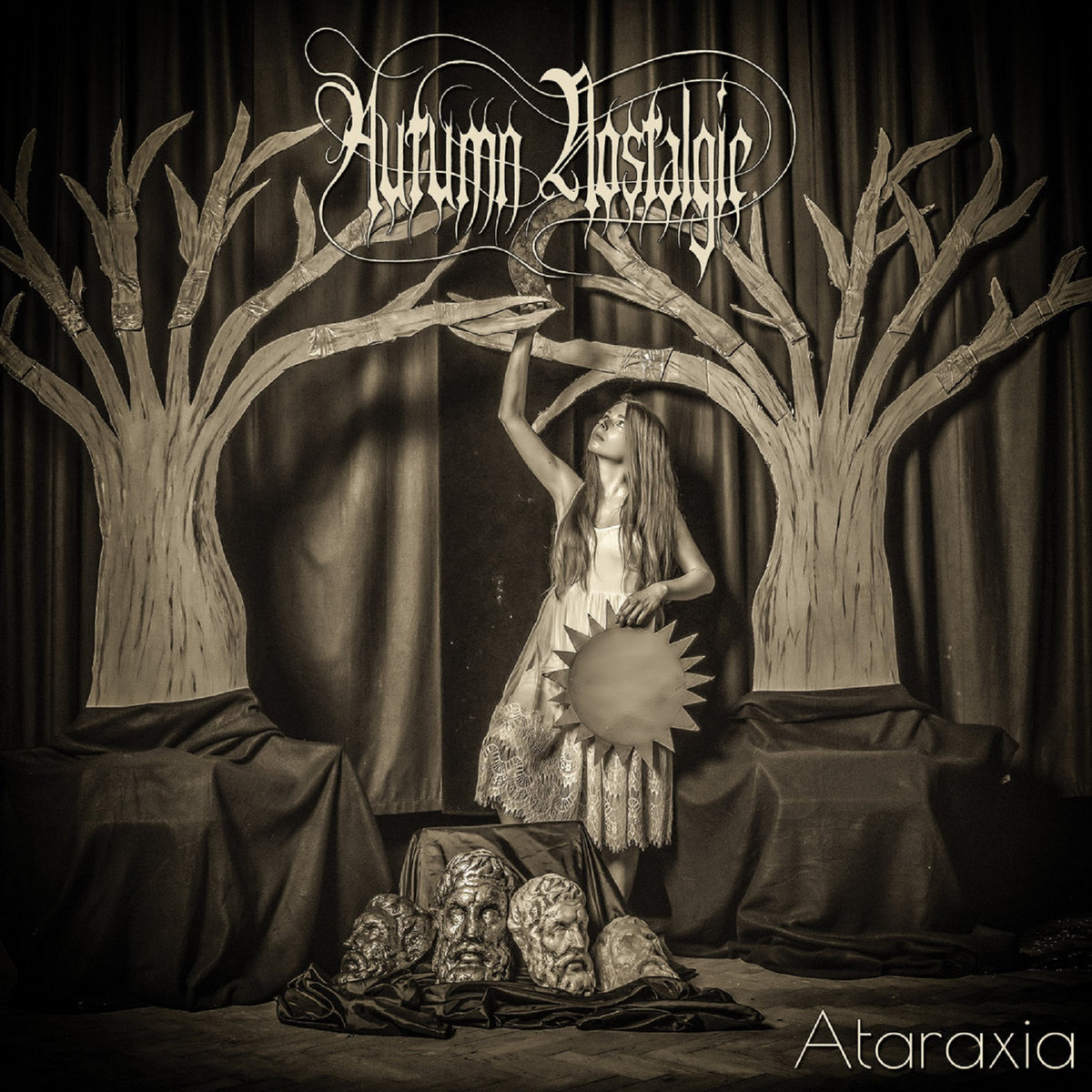
While a lot of fruit trees used to be in our garden, that day only one withered peach tree leaned against the stakes with its stretching, tired and old branches. I tried to escape myself into action. We picked peaches for canning. And then, in the simple act of picking the fruit, suddenly like a bolt of lightning, the infinite simplicity of existence was revealed. In the moment there was neither past nor future, only the present, in its entirety, which has no master, which does not appear to anyone. I reached for the work of Béla Hamvas. I was looking for the secret of a simple life. And with him - if only for the duration of a few thoughts - I found reassurance. I tried to live in a way that wouldn’t hurt anything. And at one point reality returned. I was not alone. Then there was music in the distance: Ataraxia neoclassical band from Italy. These were the first stanzes of my consciousness. And if I recall how many memories are tied to this band, I grow feeble. I owe them my whole life. I think back to them as my rescuers. Ataraxia - ataraxia! The beginning and the end - reassurance and shelter too is ataraxia! Epicurus did not live in vain! Italy does not exist in vain!
HUN:
Jól emlékszem azokra a napokra. Perzselő nyár nehezítette meg mindennapjainkat. A gondolatok is csak fáradtságos erőfeszítéssel voltak hajlandóak előbukkanni. Még ők is jobbnak látták elbújni az elme sötétebb, hűvösebb menedékébe, ahol forróságtól mentesen, zavartalanul tudtak pihenni és terveket szőni. Álmatlanság gyötört napokig. Napközben szinte ösztönszerűen, gondolatmentesen éltem. Éjszaka viszont, mikor már a sötétség mindent ellepett, a gondolatok előmerészkedtek búvóhelyükről és párbeszédre kényszerítettek. Értelmemet letarolták, hiszen nélkülem jutottak arra az álláspontra, amelyet a hűsítő árnyékban találtak meg. Beszélgetni kezdtünk, s feltették kérdéseiket. A következőképpen szóltak:
Miért vagy meggyőződve arról, hogy a világ körülötted létezik? Talán meglepődsz a kérdésen, de vizsgáljuk csak meg közelebbről a felvetést. Mi alapozza meg a létezők önálló létét, ha ezt az önállóságot soha nem tudod megtapasztalni. Talán bele látsz mások fejébe? Talán érzed mások érzéseit? Vagy éppen mások tudatát vagy képes észlelni? De ha érzed mások érzéseit, azok nem éppen a saját érzéseiddé vállnak? Ha látod mások gondolatait, azok nem éppen a te gondolataid lesznek? Ha más tudatát lennél képes észlelni, az nem éppen a saját tudatoddá válna? Olyan, hogy kettő nem létezik. Csak egy van. Egy tudat, egy gondolat, egy érzés. Emberek, élőlények, létezők vannak körülötted. Ők amúgy is ott vannak, vagy csak akkor, ha a tudatodban megjelennek? Mert míg a tudatodban megjelennek, létezésüket meg tudod indokolni, mert észleled őket, de milyen módon léteznek akkor, ha éppen nem észleled őket? Létezés az, vagy nem-létezés? Vegyünk egy egyetemesebb példát. Tegyük fel, ha minden forrás eltűnt volna az egyiptomi civilizációról. Így magukon kívül senki sem tudott volna létezésükről. Azt, amit még csak ki sem tudsz mondani, milyen létezéssel írod le? Ilyen esetben még a nem létezés is kevés, mert még csak megjelölni sem tudod a tárgyat, hiszen a tudatodban nem létezik. Létezhet így bármi is a tudaton kívül? Képzeld csak el úgy, mint egy vásznat, amin a megjelenő színek, amik képpé, festménnyé válnak, maga a lét. Ha nincs vászon (tudat), nincs lét sem. De ne siessük el a dolgokat. Vizsgáljuk meg közelebbről a látást. Azt állítod, hogy amit látsz az függetlenül tőled (is) létezik. Szándékosan akarod saját tudatod beszűkíteni, és a testedbe zárni? Rendben, tegyük meg. Tételezzük fel, hogy a világ létezik önmagában. Minden, amit tapasztalsz, az a világban van. Állatok, fák, tárgyak, emberek, sőt még te magad is! De lenne egy kérdésem. Mikor látsz valamit, azt önmaga valós voltában látod? Amire a látásod - vagy bármelyik érzékszerved - irányul, az tényleg olyan, amilyen? Feltételezted, hogy körülötted tárgyi, azaz objektív valóság áll fenn. Hogy tudsz bármi objektívet meghatározni a világról, ha a világot csak magadon keresztül vagy képes észlelni? Nem lesz ebből az objektivitásból akaratlanul is szubjektivitás? Vagy talán a tárgy magát látja? A világ magát észleli? A teljes objektivitás nem éppen az, ha az adott dolog magát észleli önmaga “dologiságában”, de közben nem tud saját “dologiságáról”? Mert ha ez megtörténne, rögtön szubjektummá válna, elveszítené tárgyilagosságát. Egyedül a “van” a teljes objektivitás. Hiszen ad absurdum soha senki nem látta még a létezők közül a létezést, létezésének valós létezésében. Ehhez éppen a tudatnak, érzékelésnek kéne megszűnnie, hogy a valóság valódi arca feltárulhasson. Ez épp olyan lehetetlenség, mint hogy fenntartod az objektív valóság létezését. Csak a halál, avagy a szubjektum megszűnése tudná megteremteni az objektív valóságot, ha egyáltalán fennállna az észlelőn kívül bármiféle valóság. A szubjektum maga, mindenre rátapad, s mindent magán keresztül észlel. Éppen ezért nem létezhet objektivitás. Emlékezz csak, hogy is mondta Schoppenhauer? “Nem napot látok, csak szemet, ami napot lát. Nem földet érintek, hanem kezet, ami földet érint.” Hogy jobban megértsd, játssz csak el a következő gondolattal. Mi történik, mikor álmodsz? Képeket látsz, embereket, alakokat. A tudatod formálja olyanokká, amilyenek. Van önálló létük rajtad kívül? Van függetlenségük? Ismered “valódi”, rajtad kívüli formájukat? Fennállhat egyáltalán ilyen? Mi történik velük, mikor felébredsz? Talán rajtad kívül tovább élik valóságukat? Felesleges további kérdésekkel árnyalni a problémát. Célunk a tapasztalás átformálása volt, nem az eszmei meggyőzés.
Értelmem kénytelen volt meghajolni eme gondolatok előtt, s életemet egy új szakaszba helyezte. Nem csak azért, mert rávilágítottak a valóság értelmezésének egy másik lehetőségére, hanem azért, mert megtörték a valóság korábbi tapasztalását. Máshogy láttam a dolgokat magam körül. Egy olyan elementáris változás állt be saját magam és a világ észlelése között, ahol a kettőség, az objektum és szubjektum dualitása megszűnt. A kettőből egy lett, és nem tudtam már magamon kívül megalapozni a valóságot. Nem voltam képes önmagamtól függetleníteni a világot. A lét és a tudat egybe ért, s megtapasztaltam azt, amikor minden egy. Úgy éreztem nincs, és soha nem is volt vég, hogy minden kezdet belőlem származik, és minden vég is belém fog torkollni. Soha nem volt semmi, és nem is lesz semmi, mert a létezés a semmivel azonos. Megfoghatatlan és megnevezhetetlen. Egy örök zuhanás, aminek nincs vége. Emlékszem rá, hogy ezek a gondolatok éjjel találtak rám, s miután kinyitottam a szemem, körbenéztem a sötét szobában, ahol nem találtam már semmit magamon kívül. Reszketni és félni kezdtem. Nem éreztem a jelenlétemet, úgy tűnt, mintha nem is léteznék. Mintha soha sem léteztem volna. Mindentől független voltam. Becsuktam a szemem és megpróbáltam elaludni. Azt reméltem, hogy az alvás majd kiment ebből az állapotból, de mikor reggel felébredtem, s az első napsugarak bevilágítottak a szobába, ugyanígy találtam magam. Míg egy nappal ezelőtt még tudtam, hogy hol a helyem a világban, másnapra ez eltűnt. Mindent egyben tapasztaltam, s menekülni próbáltam. De nem volt ki segítsen, hiszen egyedül voltam. Rajtam kívül nem lehetett itt senki. Egy nagyon markáns emlékem maradt meg erről a napról. A kertben találtam magam. Míg korábban nagyon sok gyümölcsfa díszítette kertünket, azon a napon már csak egy szikkadt barackfa támaszkodott szétnyúló, megfáradt, öreg ágaival, egy-egy karóval kitámasztva. Önmagam elől a cselekvésbe próbáltam menekülni. Barackot szedtünk a befőzéshez. S ekkor a gyümölcs leszedésének egyszerű cselekvésében hirtelen, mint egy villámcsapás feltárult a létezés végtelen egyszerűsége. A pillanatban nem volt sem múlt, sem jövő, csak a jelen, mégpedig egész teljességében, aminek nincs gazdája, mint ami nem mutatkozik meg senkinek. Hamvas Béla művéhez nyúltam. Kerestem az egyszerű élet titkát. Ha csak pár gondolat erejéig is, de nála megnyugvást találtam. Megpróbáltam élni oly módon, hogy ne sértsek meg semmit. S egyszerre a valóság visszatért. Nem voltam egyedül. Ekkor zene csendült fel a távolban: Ataraxia Olaszországból. Eszmélésemnek első strófái voltak ezek. S ha felidézem mennyi emlék kötődik ehhez a zenekarhoz, elgyengülök. Egész életemet köszönhetem nekik. Úgy gondolok vissza, mint a megmentőimre. Ataraxia – ataraxia! A kezdet és a vég – azaz a megnyugvás, és a menedék is ataraxia! Nem hiába élt Epikurosz! Nem hiába létezik Olaszország!