文化研究
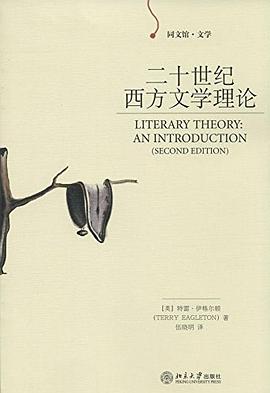
二十世纪西方文学理论 Google Books Douban
Literary Theory: An Introduction (Second Edition)
author:
(英)特雷·伊格尔顿
translator:
伍晓明
publishing house:
北京大学出版社
2007
- 1
《二十世纪西方文学理论》初版于1983年,是伊格尔顿向英国普通读者系统介绍和评论西方世纪文学理论的一本专著。作者将起自俄国形式主义的纷繁复杂的20世纪西方文学理论革命梳理出从形式主义、结构主义到后结构主义,从现象学、诠释学到接受美学以及精神分析理论三条主要的发展脉络,对其产生和流变、问题和局限进行了深入分析。
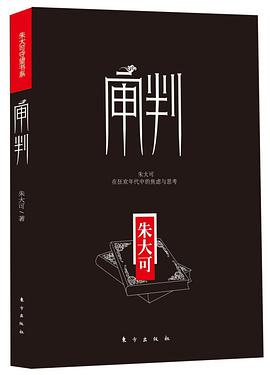
审判 Douban
author:
朱大可
2013
- 1
《审判》是“朱大可守望书系”中的第二部文集,通过对文化、文学、绘画、摄影、雕塑、电影、语言文字、文学大师等各个方面、各个团体的守望与反思,清晰勾勒出了中国当代的文化处境。大片的风起云涌,大师的风云际会,以及大众对文化事件、文化热点的广泛参与,使我们习惯性地相信,文化大繁荣的时代已经来临。然而,我们也要看到文学已走入末路,只能靠皈依影视而生存;电影除了“烧钱”的盛大场面,其内涵却苍白无力;汉字的再造和词语的创新,戏谑的背后是多少普通人的辛酸和无奈。守望着这种含泪的“繁荣”,朱大可发出声音:当今社会,自我的迷失与彷徨日益严重,重塑人本主义精神才是文化发展的唯一出路。
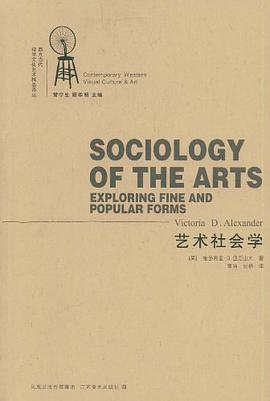
艺术社会学 Douban
Sociology of the Arts: Exploring Fine and Popular Forms
author:
[英] 维多利亚·D. 亚历山大
translator:
章浩
/
沈杨
publishing house:
江苏美术出版社
2009
- 1
《艺术社会学》是对艺术社会学研究的全面概述,同时也是该领域一位最重要的专家撰写的学术专著。《艺术社会学》综合艺术社会学中的多种理论模式,并提供了大量经验性的案例,包括艺术社会学研究中极具启发性的的经典案例。这些关于艺术作品的案例研究来自于文化谱系的两端:美的艺术(戏剧、舞蹈、交响乐、歌剧)和流行艺术(好莱坞电影、流行音乐、低俗小说、电视剧、情景喜剧、广告)。这些研究和《艺术社会学》具有相当广度和深度的理论相结合,揭示了艺术被创造、分配、接受、消费和使用的过程。《艺术社会学》还讨论丁关于艺术作品本身、艺术作品的意义方面新近出现的争议。“从事社会学研究和教学的25年来,这是我记忆中唯——本让我既觉得有趣又收益良多的教科书。亚历山大的(艺术社会学)同时鲜活地展现丁关于文学、音乐、艺术和流行文化的社会学领域最经典和最前沿的研究,学生可以从中感受到研究者用社会学的方式研究艺术时所发现的迷人风景,而专业学者可以从中看到这一领域的研究前沿正在发生什么。”——艺术/文化社会学研究领域重量级学者安·斯威德勒(Ann Swidler),加州伯克利大学。
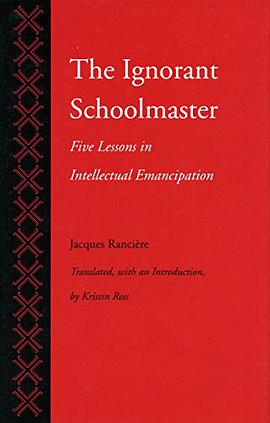
The Ignorant Schoolmaster Douban Goodreads Skybridge
author:
Jacques Rancière
translator:
Kristin Ross
publishing house:
Stanford University Press
1991
- 7
other title:
The Ignorant Schoolmaster: Five Lessons in Intellectual Emancipation
Review
'An extremely provocative, original, and engaging book, it raises questions of great relevance and urgency about the process of cultural selection and canonization.'Denis Hollier, Yale UniversityIgnorant Schoolmaster
In The Ignorant Schoolmaster, Rancière uses the historical figure of Joseph Jacotot as a way of discussing human nature, education, pedagogy, ignorance, intelligence, and emancipation. These ideas have profound implications on the nature of schooling and research, and the role that teachers and scholars play. Contents [hide]
1 Joseph Jacotot (1770-1840)
2 Explication
3 Emancipation
4 Ignorance
5 Intelligence
6 Will
7 Language
[edit]
Joseph Jacotot (1770-1840)
Jacotot was a French instructor who taught subjects as far-ranging as French, literature, mathematics, ideology and law (p. 1). He had a profound realization one time when he had to teach a group of Flemish students French. Since he didn’t know Flemish himself, he had the challenge of teaching these students French.
[edit]
Explication
The conventional view of the teacher’s (or master’s, as Rancière calls it), is to “explicate”. But Jacotot noticed that his Flemish students were able to learn French without any explication from him. He had given them a bilingual text of Télémaque; using that, his students were able to eventually under French grammar and spelling, using a text that was aimed for adults, and not “simplified” for school children. Jacotot (or maybe Rancière?) was inspired to ask: Were schoolmaster’s explications superfluous? (p. 4) Rancière believes that explication stultifies learning by short-circuiting the journey that the student is able to make. Teachers who rely on explication inadvertently creates a “veil of ignorance” (p. 6) what the student is expected to learn, thus creating a world of superior (i.e. the master, the explicator) and inferior (i.e. the student, the ignorant). But Rancière believes that all people are capable of learning without explication because they have all acquired their mother tongues without explication (p. 5, 10). They learn, imitate, and correct themselves, and universally, all children will grow up to understand their parents without every spent one day in school. Why do we presume this intelligence goes away?
[edit]
Emancipation
Rancière distinguishes between two human traits: intelligence and will. In Jacotot’s classroom, there are two wills (the students’ and Jacotot’s) and two intelligences (the students’ and the book’s). Students may need to follow the teacher’s will, who guides them towards the subject. But stultification occurs when the students’ intelligences are linked with the teacher’s, when they have to rely on the schoolmaster to explain what they have learned. The opposite of stultification is, therefore, emancipation. But who emancipates? Once again, conventionally, it is the scholar, the philosopher, the wise, the learned, the Teachers College doctoral student. But Rancière believes that the only way to emancipate is when an intelligence obeys only itself even if its will obeys another’s will (p. 13). In reality, universal teaching has existed since the beginning of the world, alongside all the explicative methods...Everyone has done this experiment a thousand times in life, and yet it has never occurred to someone to say to someone else: I’ve learned many things without explanations, I think that you can too... (p. 16)In Jacotot’s class, the students learned using their own methods, not his. And in the end, they learned French, and they have done so using the oldest method in the world: universal teaching.
[edit]
Ignorance
Rancière argues that the “Socratic Method” is a perfected form of stultification, where the role of the Master is to interrogate (demand speech) and verify that intelligence is done with attention (p. 29). Even if these pedagogies are aimed at “empowering” the student, it is still done so after the master has verified it. Thus, it is still the master’s method, not the student’s.
The ignorant schoolmaster does not verify what the student has found, only that the student has searched (p. 31). This means that anyone, including illiterate parents, can teach their children how to read and write. For example, they can question whether they pronounce the same word each time in the same way, or hide it under their hand and ask the student what is under it. This is true not only for re
[edit]
Intelligence
Most people become stultified because they believe in their inferiority (p. 39). And superior minds can only be superior if they can make everyone else inferior. Thus we never break out of that circle, not matter how generous our intentions may be. The word intelligence is often understood as a number, or variable, that describes different people’s capacities to comprehend complex ideas or solve logic problems. But Rancière believes that everyone has the same intelligence (p. 50). He argues that a statement like “Bob is smarter because he produces better work” is a tautological statement that explains nothing. It’s true that people will produce different types of work, but he doesn’t see this as the result of different intelligence, but as a result of not bringing sufficient attention to the work.
[edit]
Will
Intelligence has to do with attention while will has to do with the “power to be moved” (p. 54). Rancière argues that each of us represents a will that is served by an intelligence. We see, analyze, compare, reason, correct, reconsider, on an everyday basis. We do not always learn the same things because we do not pay the same amount of attention to the situation. Furthermore, he suggests that “[m]eaning is the work of the will” (p. 56). He calls “secret” of universal teaching, something that geniuses all know. All humans are capable of anything they want.
[edit]
Language
Jacotot/Rancière believed that truth cannot be told. When it is expressed in language it becomes fragmented (p. 60). Hence, he goes into the arbitrariness of language to suggest that there is no language that is superior than others because they are equally arbitrary. Intelligence does not have a language. As Jacotot argued, we are not intelligent because we speak; we are intelligent because we exist. But this is not a problem. It is precisely because all languages are arbitrary that we employ all we have access to (including but not limited to language) in expressing truth. (p. 62) Rancière calls our expression through language as a form of art, like improvisation. He calls “telling the story” and “figuring things out” the two master operations of intelligence (p. 64). He believes that the artist is the exact opposite of the professor. He argues: “Each one of us is an artist to the extent that he carries out a double process; he is not content to be a mere journeyman but wants to make all work a means of expression, and he is not content to feel something but tries to impart it to others” (p. 70).
'An extremely provocative, original, and engaging book, it raises questions of great relevance and urgency about the process of cultural selection and canonization.'Denis Hollier, Yale UniversityIgnorant Schoolmaster
In The Ignorant Schoolmaster, Rancière uses the historical figure of Joseph Jacotot as a way of discussing human nature, education, pedagogy, ignorance, intelligence, and emancipation. These ideas have profound implications on the nature of schooling and research, and the role that teachers and scholars play. Contents [hide]
1 Joseph Jacotot (1770-1840)
2 Explication
3 Emancipation
4 Ignorance
5 Intelligence
6 Will
7 Language
[edit]
Joseph Jacotot (1770-1840)
Jacotot was a French instructor who taught subjects as far-ranging as French, literature, mathematics, ideology and law (p. 1). He had a profound realization one time when he had to teach a group of Flemish students French. Since he didn’t know Flemish himself, he had the challenge of teaching these students French.
[edit]
Explication
The conventional view of the teacher’s (or master’s, as Rancière calls it), is to “explicate”. But Jacotot noticed that his Flemish students were able to learn French without any explication from him. He had given them a bilingual text of Télémaque; using that, his students were able to eventually under French grammar and spelling, using a text that was aimed for adults, and not “simplified” for school children. Jacotot (or maybe Rancière?) was inspired to ask: Were schoolmaster’s explications superfluous? (p. 4) Rancière believes that explication stultifies learning by short-circuiting the journey that the student is able to make. Teachers who rely on explication inadvertently creates a “veil of ignorance” (p. 6) what the student is expected to learn, thus creating a world of superior (i.e. the master, the explicator) and inferior (i.e. the student, the ignorant). But Rancière believes that all people are capable of learning without explication because they have all acquired their mother tongues without explication (p. 5, 10). They learn, imitate, and correct themselves, and universally, all children will grow up to understand their parents without every spent one day in school. Why do we presume this intelligence goes away?
[edit]
Emancipation
Rancière distinguishes between two human traits: intelligence and will. In Jacotot’s classroom, there are two wills (the students’ and Jacotot’s) and two intelligences (the students’ and the book’s). Students may need to follow the teacher’s will, who guides them towards the subject. But stultification occurs when the students’ intelligences are linked with the teacher’s, when they have to rely on the schoolmaster to explain what they have learned. The opposite of stultification is, therefore, emancipation. But who emancipates? Once again, conventionally, it is the scholar, the philosopher, the wise, the learned, the Teachers College doctoral student. But Rancière believes that the only way to emancipate is when an intelligence obeys only itself even if its will obeys another’s will (p. 13). In reality, universal teaching has existed since the beginning of the world, alongside all the explicative methods...Everyone has done this experiment a thousand times in life, and yet it has never occurred to someone to say to someone else: I’ve learned many things without explanations, I think that you can too... (p. 16)In Jacotot’s class, the students learned using their own methods, not his. And in the end, they learned French, and they have done so using the oldest method in the world: universal teaching.
[edit]
Ignorance
Rancière argues that the “Socratic Method” is a perfected form of stultification, where the role of the Master is to interrogate (demand speech) and verify that intelligence is done with attention (p. 29). Even if these pedagogies are aimed at “empowering” the student, it is still done so after the master has verified it. Thus, it is still the master’s method, not the student’s.
The ignorant schoolmaster does not verify what the student has found, only that the student has searched (p. 31). This means that anyone, including illiterate parents, can teach their children how to read and write. For example, they can question whether they pronounce the same word each time in the same way, or hide it under their hand and ask the student what is under it. This is true not only for re
[edit]
Intelligence
Most people become stultified because they believe in their inferiority (p. 39). And superior minds can only be superior if they can make everyone else inferior. Thus we never break out of that circle, not matter how generous our intentions may be. The word intelligence is often understood as a number, or variable, that describes different people’s capacities to comprehend complex ideas or solve logic problems. But Rancière believes that everyone has the same intelligence (p. 50). He argues that a statement like “Bob is smarter because he produces better work” is a tautological statement that explains nothing. It’s true that people will produce different types of work, but he doesn’t see this as the result of different intelligence, but as a result of not bringing sufficient attention to the work.
[edit]
Will
Intelligence has to do with attention while will has to do with the “power to be moved” (p. 54). Rancière argues that each of us represents a will that is served by an intelligence. We see, analyze, compare, reason, correct, reconsider, on an everyday basis. We do not always learn the same things because we do not pay the same amount of attention to the situation. Furthermore, he suggests that “[m]eaning is the work of the will” (p. 56). He calls “secret” of universal teaching, something that geniuses all know. All humans are capable of anything they want.
[edit]
Language
Jacotot/Rancière believed that truth cannot be told. When it is expressed in language it becomes fragmented (p. 60). Hence, he goes into the arbitrariness of language to suggest that there is no language that is superior than others because they are equally arbitrary. Intelligence does not have a language. As Jacotot argued, we are not intelligent because we speak; we are intelligent because we exist. But this is not a problem. It is precisely because all languages are arbitrary that we employ all we have access to (including but not limited to language) in expressing truth. (p. 62) Rancière calls our expression through language as a form of art, like improvisation. He calls “telling the story” and “figuring things out” the two master operations of intelligence (p. 64). He believes that the artist is the exact opposite of the professor. He argues: “Each one of us is an artist to the extent that he carries out a double process; he is not content to be a mere journeyman but wants to make all work a means of expression, and he is not content to feel something but tries to impart it to others” (p. 70).
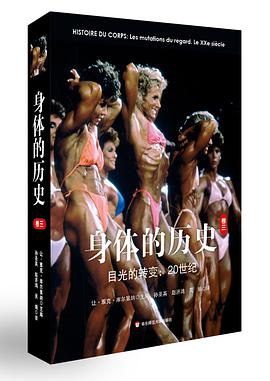
身体的历史(卷三) Douban
author:
[法]让-雅克•库尔第纳
translator:
孙圣英
/
赵济鸿
…
publishing house:
华东师范大学出版社
2013
- 4
《身体的历史》第三卷主要从肌体与知识、欲望与标准、异常与危险性、苦难与暴力、目光与表演五个方面对20世纪身体的历史进行了论述。在20世纪,投射在身体上的目光的转变是前所未有的:人体从未如此深入地被医学视觉技术洞察;私密的两性身体从未经历如此多的曝光;表现身体遭受战争和集中营暴行的影像在我们的视觉文化中从未达到如此无与伦比的程度;以身体为对象的表演也从未如此接近由当代绘画、摄影和电影给身体的形象所带来的巨大颠覆。“我的身体还一直是我的身体吗?”身体的历史才刚刚开始。

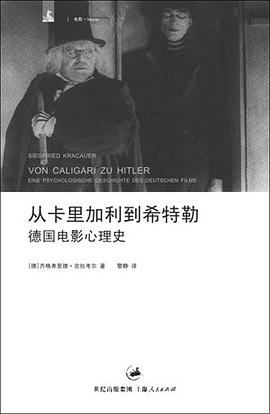
从卡里加利到希特勒 Douban
Von Caligari zu Hitler: Eine psychologische Geschichte des deutschen Films
author:
[德] 齐格弗里德·克拉考尔
translator:
黎静
publishing house:
世纪出版集团·上海人民出版社
2008
《从卡里加利到希特勒》,全名为《从卡里加利到希特勒——德国电影心理史》,1947年成书于美国,作者为德国著名电影理论家齐格弗里德·克拉考尔。
这部具有里程碑意义的著作是一份魏玛共和国时期电影史研究的成果。克拉考尔在1941年4月25日到达美国后便着手这项准备多年的计划,他当时的身份是纽约现代艺术博物馆电影资料馆馆长艾里斯·巴里的“特别助理”,此项研究先后得到洛克菲勒基金会和古根海姆基金会的资助。
在这部作品中,克拉考尔通过分析二十年代和三十年代初的德国影片,检视了从1918年至1933年的德国历史,借以展现“一战”后德国人的心理图景。在二十年代的德国影片中,他追踪到一些反复出现的视觉和叙事母题,他认为这些母题暴露了德国人对混乱的恐惧和对秩序的渴望,以致他们甘愿臣服于威权统治。克拉考尔在书中开辟了探查电影美学、一个民族(魏玛时期德国人)的普遍心理状况以及同时期社会、政治现实之间关联的新领域,并提出一项惊人的(时至今日仍有争议的)主张:作为通俗艺术的电影为人们洞察一个民族的无意识动机和幻想提供了可能。
这部具有里程碑意义的著作是一份魏玛共和国时期电影史研究的成果。克拉考尔在1941年4月25日到达美国后便着手这项准备多年的计划,他当时的身份是纽约现代艺术博物馆电影资料馆馆长艾里斯·巴里的“特别助理”,此项研究先后得到洛克菲勒基金会和古根海姆基金会的资助。
在这部作品中,克拉考尔通过分析二十年代和三十年代初的德国影片,检视了从1918年至1933年的德国历史,借以展现“一战”后德国人的心理图景。在二十年代的德国影片中,他追踪到一些反复出现的视觉和叙事母题,他认为这些母题暴露了德国人对混乱的恐惧和对秩序的渴望,以致他们甘愿臣服于威权统治。克拉考尔在书中开辟了探查电影美学、一个民族(魏玛时期德国人)的普遍心理状况以及同时期社会、政治现实之间关联的新领域,并提出一项惊人的(时至今日仍有争议的)主张:作为通俗艺术的电影为人们洞察一个民族的无意识动机和幻想提供了可能。
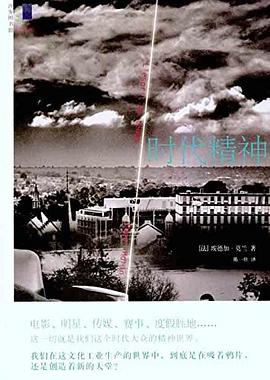
时代精神 Douban
author:
埃德加·莫兰(Edgar Morin)
translator:
陈一壮
publishing house:
北京大学出版社
2011
- 6
•本书是一本探讨现代娱乐和文化工业的学术经典。
•现代社会中,人类的精神生活主要分为三个大的领域:娱乐、艺术、休闲。现代人为什么崇拜影星、歌星、运动员?现代人为什么不听歌剧不懂现代派绘画但却敬畏这些东西?现代人为什么如此热衷于度假和旅游?
•作者认为现代人的这些精神生活,其实和古代社会和近代社会有着深刻的关联。
•这种关联就是,从近代以来,人们的精神生活是通过巨大的文化工业和资本运作,转化成现代生活的,是大工业和大资本把近代人变成了现代人。这就解释了现代娱乐的产生,现代人精神生活的产生。
•该书是从哲学、社会学、人类学、文化研究的角度对这一宏大主题进行研究的经典。
•现代社会中,人类的精神生活主要分为三个大的领域:娱乐、艺术、休闲。现代人为什么崇拜影星、歌星、运动员?现代人为什么不听歌剧不懂现代派绘画但却敬畏这些东西?现代人为什么如此热衷于度假和旅游?
•作者认为现代人的这些精神生活,其实和古代社会和近代社会有着深刻的关联。
•这种关联就是,从近代以来,人们的精神生活是通过巨大的文化工业和资本运作,转化成现代生活的,是大工业和大资本把近代人变成了现代人。这就解释了现代娱乐的产生,现代人精神生活的产生。
•该书是从哲学、社会学、人类学、文化研究的角度对这一宏大主题进行研究的经典。
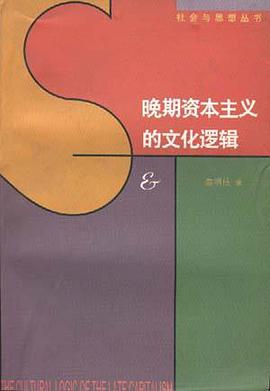
晚期资本主义的文化逻辑 Douban
The cultural logic of the late capitalism
author:
[美] 詹明信
/
张旭东 编
translator:
陈清侨 等
publishing house:
生活·读书·新知三联书店
1997
本书辑选詹氏的九篇重要论文及三篇附录,反映了詹氏理论的框架和中心思想,在后结构主义和马克思主义这两个似乎互相排斥的领域、詹氏进行了结合的尝试,并据此奠定了自己的地位。在他看来,理论的深刻含义不在于其自成体系,而在于理论所揭示、所叙述的问题。他对资本主义的文化设置和逻辑进行了解构性的分析,并运用“辩证法”的叙事原则,重新审视人与环境及历史变化的无穷尽的搏斗。

表演中國 Douban
author:
周慧玲
publishing house:
城邦(麥田)
2004
- 6
本書仔細翻檢五四運動以降,幾位著名女性戲劇演員和電影明星在舞台、銀幕上的演出,以及在生活上的表演。這些女演員和女明星不只是人們茶餘飯後的消閒對象,更是文藝青年、媒體大亨與意見領袖們追逐評論、念玆在玆的焦點。她們在流言、輿論、批判之間,輾轉折衝,尋找安頓、詮釋自己的方式。這些女性風頭人物既是舞台銀幕上的「戲劇演員」,也是社會實踐裡的「社會演員」。
她們將舞台銀幕的虛構情節推向「社會劇」的境界,掀起另一場風起雲湧的「文化表演」形態。在摸索表演方法的路上,她們意外發現「人生如戲」其實意味人生模仿戲劇?她們甚至被期待粉墨登場搞革命。
這些女演員、女明星的表演生涯代表一代中國人尋找現代女性國民形象的歷程,而她們在中國現代化進程裡的表演行為,更透露了與國家想像、城市造景、身體操作,乃至現代人印象整飾等議題息息相關的表演文化與視覺政治。
她們將舞台銀幕的虛構情節推向「社會劇」的境界,掀起另一場風起雲湧的「文化表演」形態。在摸索表演方法的路上,她們意外發現「人生如戲」其實意味人生模仿戲劇?她們甚至被期待粉墨登場搞革命。
這些女演員、女明星的表演生涯代表一代中國人尋找現代女性國民形象的歷程,而她們在中國現代化進程裡的表演行為,更透露了與國家想像、城市造景、身體操作,乃至現代人印象整飾等議題息息相關的表演文化與視覺政治。

视觉文化导论 Douban
An Introduction to Visual Culture
author:
(美)尼古拉斯·米尔佐夫
translator:
倪伟
publishing house:
江苏人民出版社
2006
- 11
《视觉文化导论》全面介绍了视觉文化这个令人兴奋的跨学科研究领域。通过追溯从绘画到万维网的视觉文化的历史和理论,本书追问:为何视觉媒介会在当代日常生活中占据如此重要的位置。米尔佐夫提出,是视觉而非文本正在日益成为我们了解当代世界的主要方式。在这本令人耳目一新的导论性著作中,米尔佐夫探讨了: 什么是视觉文化? 视觉的基本要素,包括透视、色彩、线条和视力。 视觉媒体的广泛领域,包括绘画、雕塑、摄影、电视、电影、虚拟现实和互联网等。 “种族”和族群、性别和性以及身体在视觉文化中的重要性。 由戴安娜王妃之死引发的国际性媒体事件,它标志了一个全球视觉文化时代的来临。

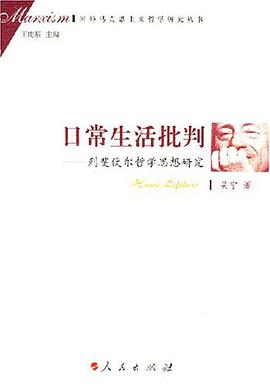
日常生活批判 Douban
author:
吴宁
2007
- 6
列斐伏尔是法国著名的马克思主义理论家、西方学界著名的“日常生活批判理论之父”、“现代法国辩证法之父”、区域社会学特别是城市社会学理论的重要奠基人,也是超现实主义的批评者、马克思主义永不疲倦的支持者、文化研究的先驱、存在主义的马克思主义的重要代表人物。
本书阐述学界关于列斐伏尔理论的研究现状及存在的问题。介绍列斐伏尔的生平和著作,立足于列斐伏尔的著作,着重考察了列斐伏尔的自然观、节奏观、女性观、资本主义观、哲学观、马克思主义观等基本观念,论述列斐伏尔的异化理论、日常生活批判理论、美学理论、国家理论、现代性理论和空间理论,把握其思想的渊源与脉络,评判其理论得失,探寻他是如何运用马克思主义理论分析西方社会历史条件、关注西方社会现实问题的,力图为研究马克思主义在新的形势下的发展提供丰富的素材。
本书阐述学界关于列斐伏尔理论的研究现状及存在的问题。介绍列斐伏尔的生平和著作,立足于列斐伏尔的著作,着重考察了列斐伏尔的自然观、节奏观、女性观、资本主义观、哲学观、马克思主义观等基本观念,论述列斐伏尔的异化理论、日常生活批判理论、美学理论、国家理论、现代性理论和空间理论,把握其思想的渊源与脉络,评判其理论得失,探寻他是如何运用马克思主义理论分析西方社会历史条件、关注西方社会现实问题的,力图为研究马克思主义在新的形势下的发展提供丰富的素材。
现代性的平庸与神奇 Douban
author:
刘怀玉
publishing house:
中央编译出版社(北京图书发行部)
2006
- 3
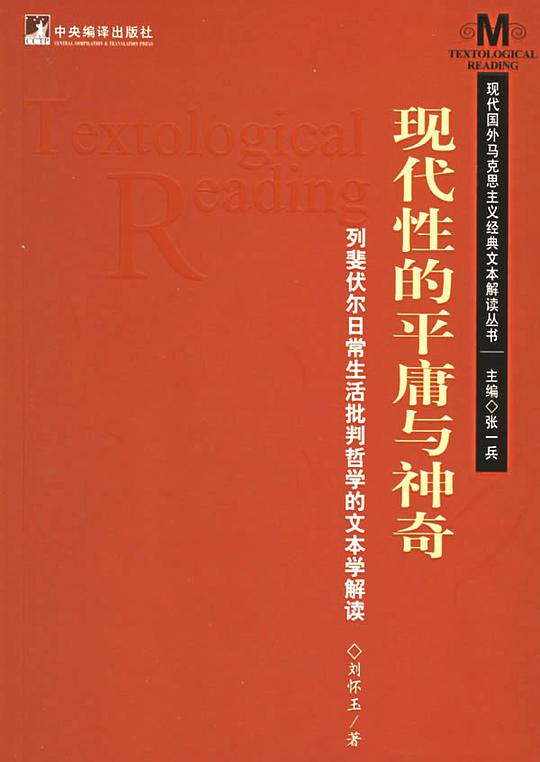
本书以文本学的解读方法,研究列斐伏尔这位现代法国哲学家、西方马克思主义创始人的日常生活批判哲学思想及其发展过程。在列斐伏尔那里,“每天生活”同“日常生活”以及“日常 性”之间是有质的区别的。他的早期思想集中研究了那种从来就存在着的,但充满着价值与神秘,即具有风格的“每天生活”;而他的中后期思想则侧重批判了作为现代社会异化现象的“日常 生活”及作为现代性的机械重复节奏的“日常性”问题。他早期对日常生活主要采取了一种相对比较哲学化的与乐观的立场,认为被异化的日常生活世界既包括着被压迫的因素,也包括着解放的因素;而他的后期则对日常生活理解得更加微观与社会学化一些,也相对悲观了一些。他认为在发达资本主义社会,日常生活被全面地纳入到生产与消费的总体环节中去,现代社会成了一个“消费引导型科层制社会”,而不是一个可供人们自由选择的休闲社会、丰裕社会。拯救现代性的命运只能通过一场以日常生活为平台的文化革命。列斐伏尔既是西方马克思主义的创始人,也是20世纪70年代以来所谓“后马克思主义思潮”的不自学推动者,在其晚年他把社会历史辩证法改造所谓“空间化本体论”,这实际上是把历史辩证法“空间法”的“后现代转向”。但他直到生命的最后一刻,还坚守着马克思的政治信仰与哲学理论基本底线。
反现代派 Douban
Les antimodernes
author:
安托瓦纳·贡巴尼翁
translator:
郭宏安
publishing house:
生活·读书·新知三联书店
2009
- 3
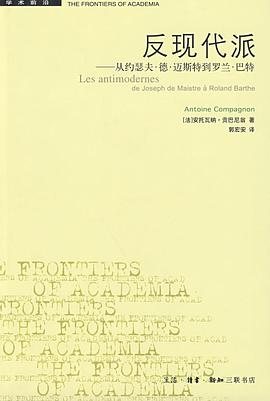
《反现代派:从约瑟夫·德·迈斯特到罗兰·巴特》从反现代派的第一批奠基者约瑟夫·德·迈斯特、夏多布里昂和波德莱尔开始,论述了反现代派的几个强有力的观念:反革命、反启蒙、悲观主义、原罪、崇高、抨击;并对19世纪和20世纪几位被忽视的著名的反现代派加以详尽论述,试图藉此对反现代派,或曰现代性中的反现代派传统做一梳理。反现代派不是指守旧者、保守派和反革命分子,也不是指对其时代感到忧郁的失望者、牢骚鬼和愤怒者,而是指与“现代主义”或“现代性”关系微妙的人。其实他们是不合时宜的现代派,他们在文学上和政治上既非右派,亦非左派,他们是现代派的精华。
文化哲学 Douban
author:
[法]阿尔贝特·施韦泽
translator:
陈泽环
publishing house:
上海人民出版社
2008
- 5
是施韦泽生前发表的最重要的哲学——伦理学著作,包括其关于写作《文化哲学》的宏大计划中的第1卷《文化的衰落和重建》和第2卷《文化和伦理》。此外,《文化哲学》的第3卷《敬畏生命的世界观》只留下了手稿,于1999年和2000年由德国贝克出版社(Verlag C.H. Beck)作为遗著出版。《文化哲学》是施韦泽哲学和伦理学研究的代表作,其发挥的社会影响也主要基于这部著作。而且,由于其思想的深刻性和视角的独特性,《文化哲学》成为20世纪西方一部独创性的伦理学著作、尖锐的文化和社会批判著作、现代生态伦理学的奠基性著作。因此,研究施韦泽的哲学和伦理思想,一般说来通过阅读这部著作就可以了。