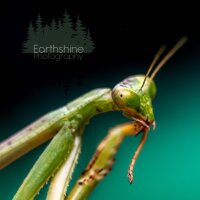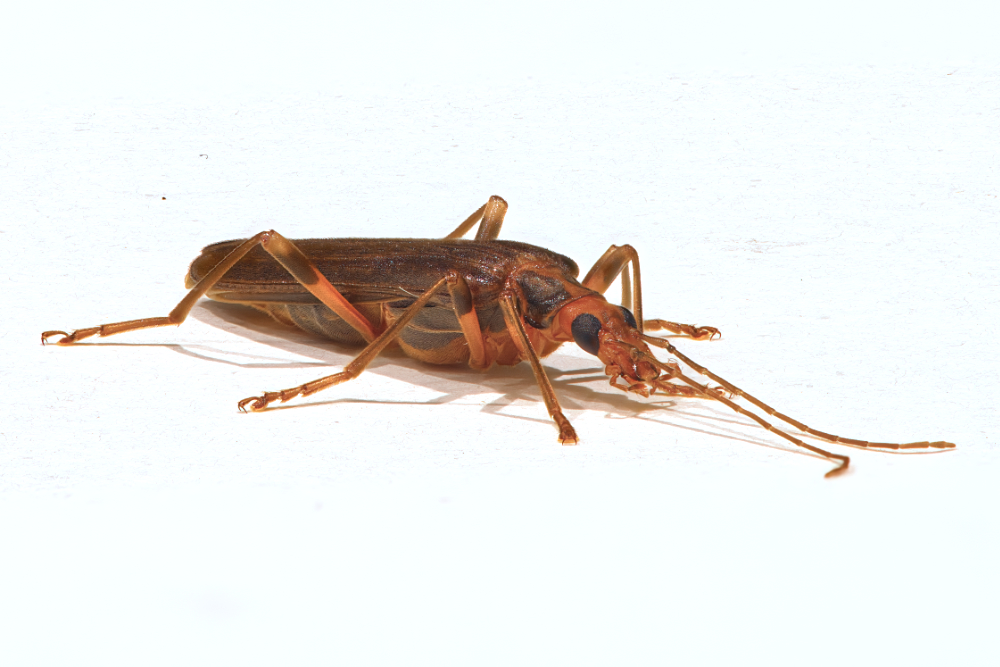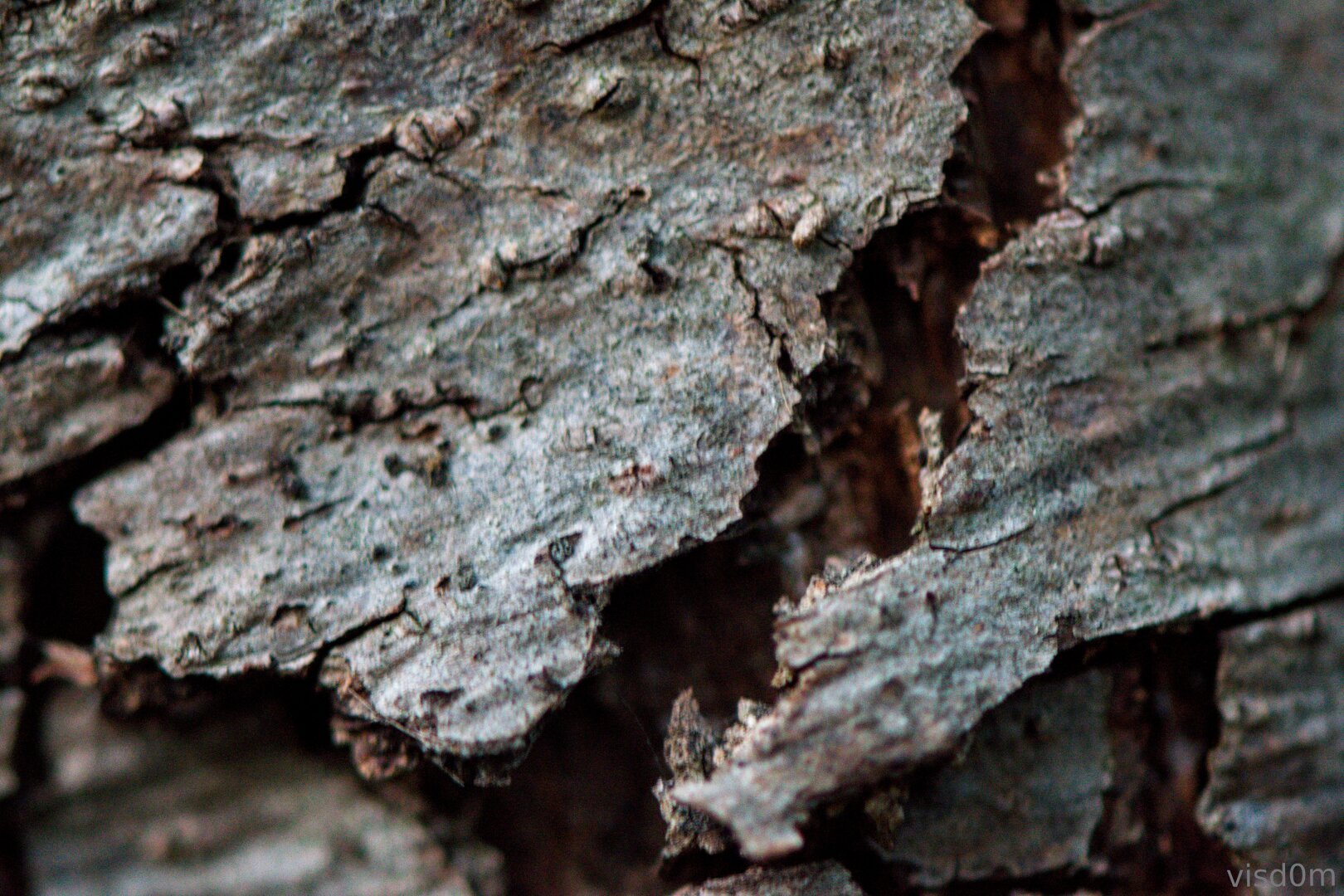
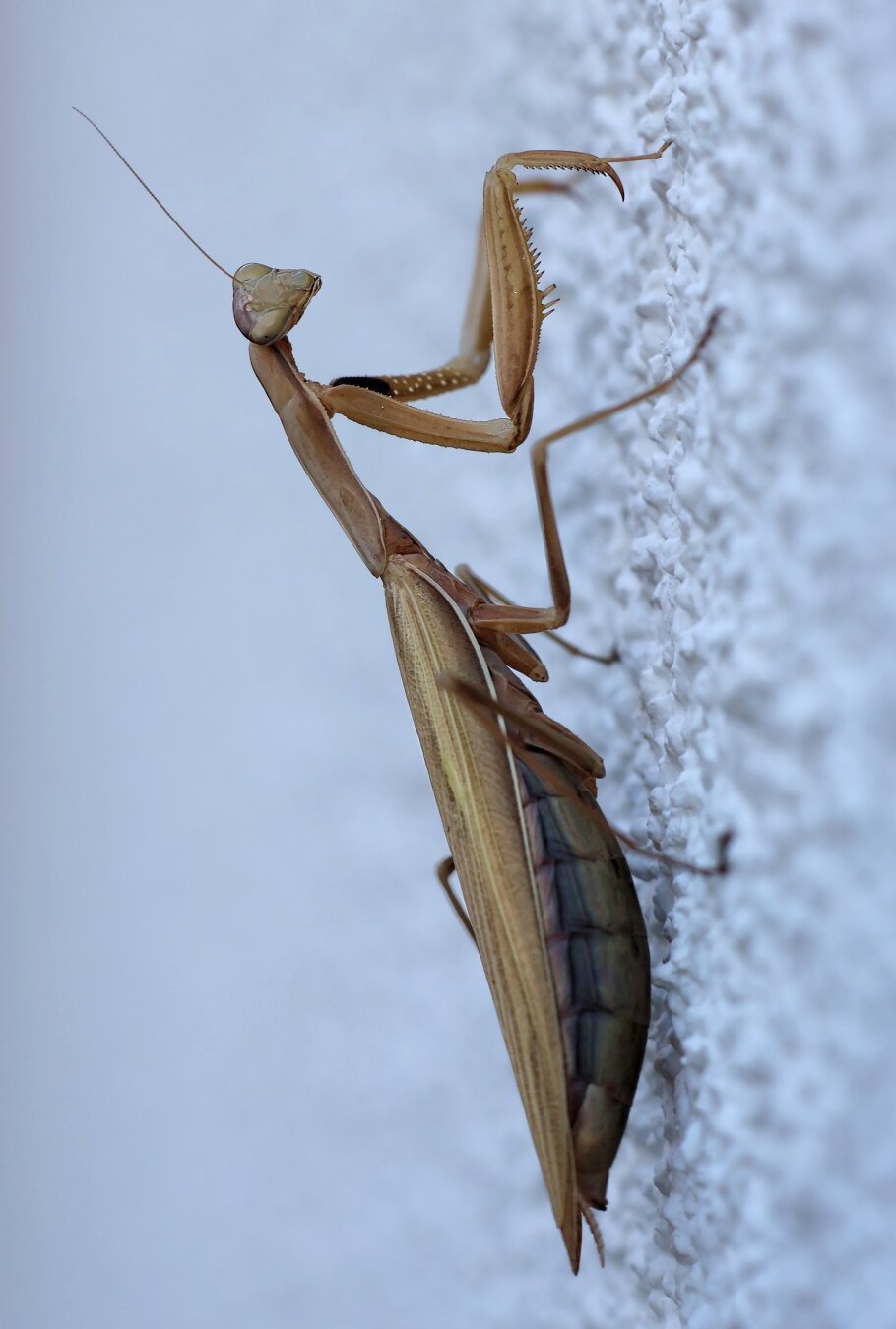
We had another #mantis visitor last week! This is the first brown one I've spotted. I saw my first one ever at my parents' place last year, and now they're everywhere here (an hour north of them). 😅 The survivor I posted two weeks ago came back for another photo session on the drive (put it in the wildflower plot afterwards), then I saw a crushed one on our street, and found one drowned in a pot of water I'd forgotten in the garden. 🙈
This one spent the whole day at eye level on a white wall by our drive, and I managed to take a few photos.
#Gottesanbeterin #prayingMantis #EuropeanMantis #EuropäischeGottesanbeterin #MantisReligiosa #insect #insects #Insekt #Insekten #nature #Natur #wildlife #urbanWildlife #Biederitz #InsektenSamstag #InsectSaturday #MinimalistMonday #MinimalismMonday #WildlifeWednesday
This one spent the whole day at eye level on a white wall by our drive, and I managed to take a few photos.
#Gottesanbeterin #prayingMantis #EuropeanMantis #EuropäischeGottesanbeterin #MantisReligiosa #insect #insects #Insekt #Insekten #nature #Natur #wildlife #urbanWildlife #Biederitz #InsektenSamstag #InsectSaturday #MinimalistMonday #MinimalismMonday #WildlifeWednesday

![++ This image was one of the photos chosen for the digital exhibit at Thessaloniki, Greece from the Best of 2016 Contest. Thessaloniki International Contemporary Art Fair. (From the Guru Shots site) > https://gurushots.com/challenge/best-of-2016/winners/exhibit-digital
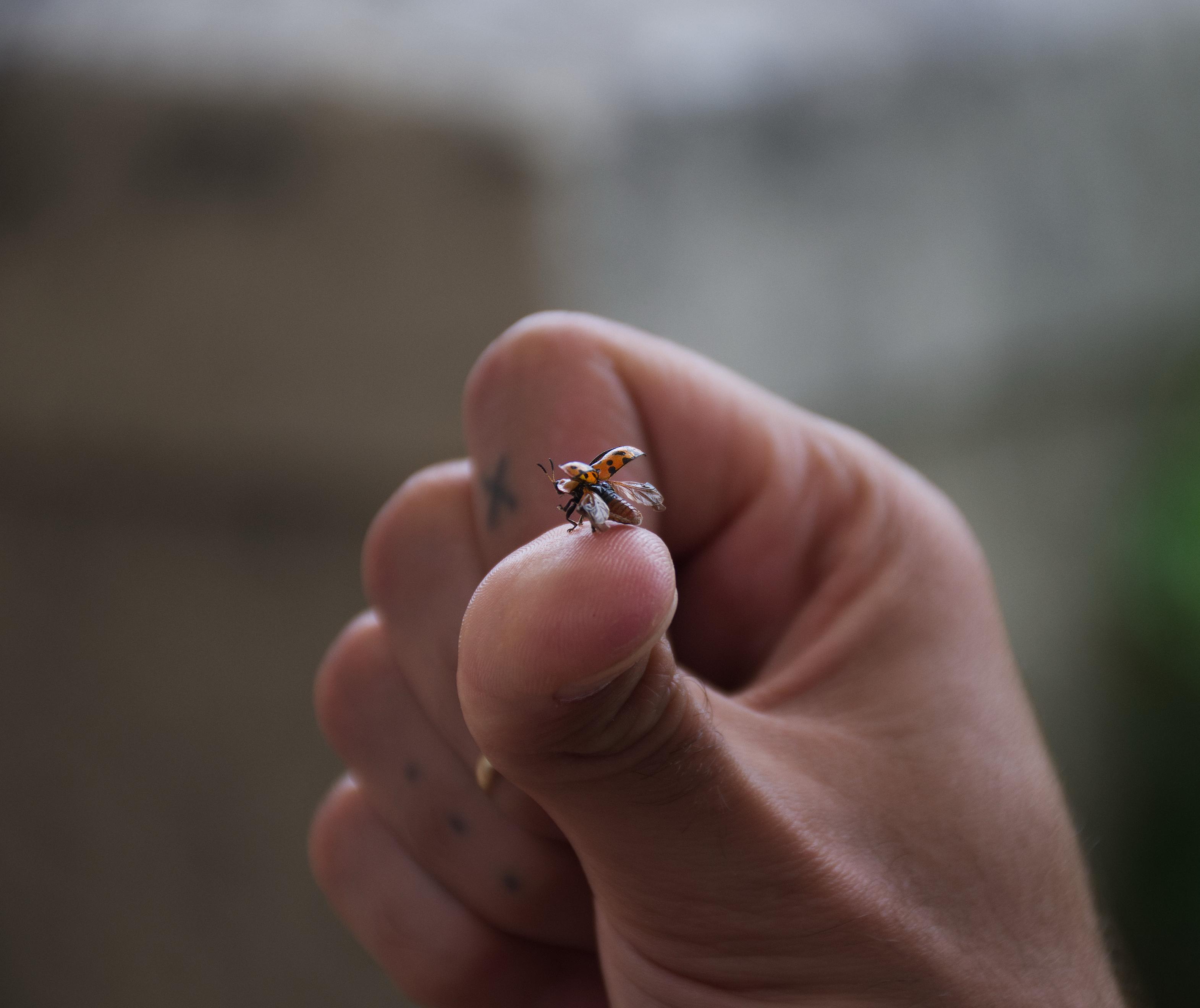
A pretty little yellow black ladybird exploring some red autumn leaves captured on a maple tree in my garden in the north of Sydney, NSW, Australia.
THE FINE ART AMERICA LOGO WILL NOT SHOW ON PURCHASED PRINTS OR PRODUCTS.
[From Wikipedia]
The Coccinellidae are a family of small beetles, ranging from 0.8 to 18 mm (0.0315 to 0.708 inches). They are commonly yellow, orange, or red with small black spots on their wing covers, with black legs, heads and antennae. Such color patterns vary greatly, however; for example, a minority of species, such as Vibidia duodecimguttata, a twelve-spotted species, have whitish spots on a brown background. Coccinellids are found worldwide, with over 6,000 species described.](/proxy/post_attachment/150174/2c86e62083.jpeg "++ This image was one of the photos chosen for the digital exhibit at Thessaloniki, Greece from the Best of 2016 Contest. Thessaloniki International Contemporary Art Fair. (From the Guru Shots site) > https://gurushots.com/challenge/best-of-2016/winners/exhibit-digital
A pretty little yellow black ladybird exploring some red autumn leaves captured on a maple tree in my garden in the north of Sydney, NSW, Australia.
THE FINE ART AMERICA LOGO WILL NOT SHOW ON PURCHASED PRINTS OR PRODUCTS.
[From Wikipedia]
The Coccinellidae are a family of small beetles, ranging from 0.8 to 18 mm (0.0315 to 0.708 inches). They are commonly yellow, orange, or red with small black spots on their wing covers, with black legs, heads and antennae. Such color patterns vary greatly, however; for example, a minority of species, such as Vibidia duodecimguttata, a twelve-spotted species, have whitish spots on a brown background. Coccinellids are found worldwide, with over 6,000 species described.")




![A side-profile macro photograph of a large Elephant Hawk-moth (about 6cm long and very chunky) resting calmly on the tip of a person's index finger. It faces right. The moth displays a striking, high-contrast colour scheme of deep magenta-pink underneath of its abdomen and golden olive-green on its head and top of abdomen. Its long, aerodynamic wings are held up and slightly swept back as they flap ready for take-off, showing broad stripes of olive-green bordered by thick bands of bright pink. Its head features a smooth, round greenish eye and a thick coat of pink and olive fur, while its long, spindly legs are a stark, contrasting white. The background is a blurred blend of green foliage and purple garden flowers.jpg].](/proxy/post_attachment/284600/25f97c0c7a.jpeg "A side-profile macro photograph of a large Elephant Hawk-moth (about 6cm long and very chunky) resting calmly on the tip of a person's index finger. It faces right. The moth displays a striking, high-contrast colour scheme of deep magenta-pink underneath of its abdomen and golden olive-green on its head and top of abdomen. Its long, aerodynamic wings are held up and slightly swept back as they flap ready for take-off, showing broad stripes of olive-green bordered by thick bands of bright pink. Its head features a smooth, round greenish eye and a thick coat of pink and olive fur, while its long, spindly legs are a stark, contrasting white. The background is a blurred blend of green foliage and purple garden flowers.jpg].")
![A direct head-on macro photograph of an Elephant Hawk-moth balancing on the tip of a person's index finger. The moth faces the camera showing its fluffy face covered in deep magenta-pink. Two very large, round, greenish-yellow compound eyes are prominently visible on either side of its pink palps which extend down like two goofy teeth. Extending widely to the left and right are its thick, tapered antennae, which are detailed with fine ridges and coloured in a pale pinkish-orange. The top of its thorax features a thick patch of golden-olive fur. Its long, thin legs are mostly white with pink accents and they extend downward to grip the finger. In the background, its vibrant pink and olive wings are swept upward and slightly out of focus, set against a soft blur of green garden leaves and purple flowers.jpg].](/proxy/post_attachment/284601/03fc48bb39.jpeg "A direct head-on macro photograph of an Elephant Hawk-moth balancing on the tip of a person's index finger. The moth faces the camera showing its fluffy face covered in deep magenta-pink. Two very large, round, greenish-yellow compound eyes are prominently visible on either side of its pink palps which extend down like two goofy teeth. Extending widely to the left and right are its thick, tapered antennae, which are detailed with fine ridges and coloured in a pale pinkish-orange. The top of its thorax features a thick patch of golden-olive fur. Its long, thin legs are mostly white with pink accents and they extend downward to grip the finger. In the background, its vibrant pink and olive wings are swept upward and slightly out of focus, set against a soft blur of green garden leaves and purple flowers.jpg].")