Wei-chieh Tsai - Review
The Cambridge History of Inner Asia
Douban
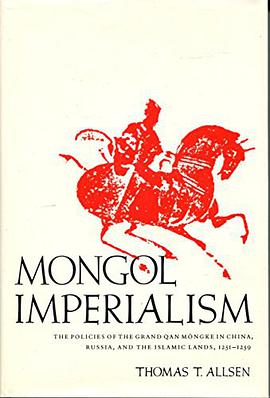
Di Cosmo, Nicola (EDT)/ Frank, Allen J. (EDT)/ Golden, Peter B. (EDT) publishing house: 劍橋大學出版社 2009 - 9
This volume centres on the history and legacy of the Mongol World Empire founded by Chinggis Khan and his sons, including its impact upon the modern world. An international team of scholars examines the political and cultural history of the Mongol empire, its Chinggisid successor states, and the non-Chinggisid dynasties that came to dominate Inner Asia in its wake. Geographically, it focuses on the continental region from East Asia to Eastern Europe. Beginning in the twelfth century, the volume moves through to the establishment of Chinese and Russian political hegemony in Inner Asia from the sixteenth to the nineteenth centuries. Contributors use recent research and new approaches that have revitalized Inner Asian studies to highlight the world-historical importance of the regimes and states formed during and after the Mongol conquest. Their conclusions testify to the importance of a region whose modern fate has been overshadowed by Russia and China.
Sweetness and Power
Douban Goodreads
Sidney W. Mintz publishing house: Penguin 1986 - 11
A fascinating persuasive history of how sugar has shaped the world, from European colonies to our modern diets. In this eye-opening study, Sidney Mintz shows how Europeans and Americans transformed sugar from a rare foreign luxury to a commonplace necessity of modern life, and how it changed the history of capitalism and industry. He discusses the production and consumption of sugar, and reveals how closely interwoven are sugar's origins as a "slave" crop grown in Europe's tropical colonies with is use first as an extravagant luxury for the aristocracy, then as a staple of the diet of the new industrial proletariat. Finally, he considers how sugar has altered work patterns, eating habits, and our diet in modern times.
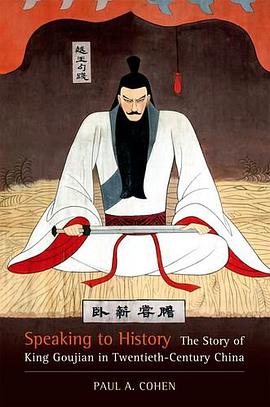
Speaking to History
Douban
Paul A. Cohen publishing house: University of California Press 2008 - 11
The ancient story of King Goujian, a psychologically complex fifth-century BCE monarch, spoke powerfully to the Chinese during China's turbulent twentieth century. Yet most Americans—even students and specialists of this era—have never heard of Goujian. In Speaking to History, Paul A. Cohen opens this previously missing (to the West) chapter of China's recent history. He connects the story to each of the major traumas of the last century, tracing its versatility as a source of inspiration and hope and elegantly exploring, on a more general level, why such stories often remain sealed up within a culture, unknown to outsiders. Labeling this phenomenon "insider cultural knowledge," Cohen investigates the relationship between past story and present reality. He inquires why at certain moments in their collective lives peoples are especially drawn to narratives from the distant past that resonate strongly with their current circumstances, and why the Chinese have returned over and over to a story from twenty-five centuries ago. In this imaginative stitching of story to history, Cohen reveals how the shared narratives of a community help to define its culture and illuminate its history.
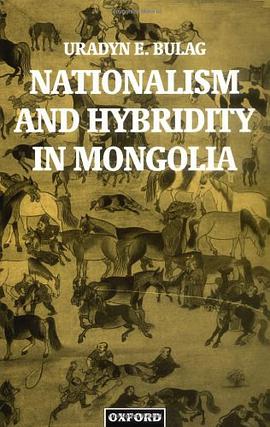
Nationalism and Hybridity in Mongolia
Douban
Uradyn E. Bulag publishing house: Oxford University Press 1998 - 4
In this unique and important study of what it means to be a Mongolian in today's world, Dr. Uradyn E. Bulag draws on a vast amount of illuminating research to argue that all Mongols are in fact confronted with a choice between a purist, racialized nationalism (which they inherited from the Soviet discourses of the past) and a more open, adaptive, and inclusive nationalism (which would accept diversity, hybridity, and multiculturalism). The book calls into question the idea of Mongolia as a homogeneous place and people, and urges that unity be sought through a country-wide acknowledgment of diversity.
元代史新探
Douban
蕭啟慶 publishing house: 新文豐出版社 1983 - 6
本書著者是元史權威學者姚從吾教授之高足,研究元史二十多年,精通中西語文,論著十一篇,於元代家族、典章制度、對外關係、學術文化皆有探究,為近代出版元史研究著作中之佳構。
Read
April 29, 2014
既然Wang Lixiong的書評不讓發,那只好先搬移一些不太敏感的書評了。
April 29, 2014 Review A Classic Study about the Yuan Dynasty - a review of 元代史新探
想象异域
Google Books Douban Goodreads
★ 8.0 28 ratings
葛兆光 publishing house: 中华书局 2014 - 1 other title: 想象异域:读李朝朝鲜汉文燕行文献札记
李朝朝鲜的燕行文献里面有很多有趣的轶闻和失落的历史,其中不少是在中国史料中难得看到的。作者在阅读这些史料的过程中,受到极大的震撼,因为在燕行文献中,“中国”对于李朝朝鲜,并不是一个简单的“异国”,“大清”对于朝鲜文人,也不是一个单纯的游览胜地。“中国”对于他们来说,既是一个曾经是文明来源的天朝上国,又已经“华夷变态”,充满“膻腥胡臭”的地方。他们在复杂心态下,近距离观看中国,记录下他们感到不寻常的种种现象,又在想象异域悲情的情感驱使下,李代桃僵地为大明王朝招魂,处处搜寻大清帝国的种种怪现状。这似乎可以让我们重新审视近世东亚以及中国,重看东亚与中国的文化史,重新思考亚洲与中国、民族与认同、族群与疆域等等问题。
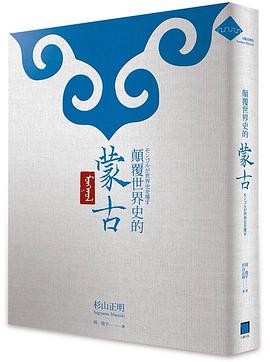
顛覆世界史的蒙古
モンゴルが世界史を覆す Douban
[日] 杉山正明 translator: 周俊宇 publishing house: 八旗文化/远足文化事业股份有限公司 2014 - 3
真相不在歷史課本上。你的「世界史」和「中國史」圖像,實際上謬誤多多。 13-14世紀的蒙古時代,顛覆了世界史,而《顛覆世界史的蒙古》,則無情挑戰了我們的歷史常識。 ◎世界史圖像以十九世紀的歐洲為核心,其根基是善惡的對立,進步和落後的分野。然而遊牧民與其國家所創造出來的歷史,堪稱是「另一個世界史」。十三、十四世紀的蒙古世界帝國,便處於這「另一個世界史」的頂點。 ◎歐洲史觀認為:世界是在西方地理大發現後才一體化的。錯了!事實是,十三世紀末,人類史上首次圍繞著歐亞陸海循環的交通網絡,是蒙古人在和平狀態下形成並掌控。若無「蒙古時代」,便不會出現西方人的「地理大發現」。 ◎蒙古人掌握的帝國大體上都是寬鬆的,而帝國變得接近嗜血、鎮壓、歧視、戰爭,乃是西歐殖民海外之後的現象。特別是19世紀到20世紀之間的各種帝國,幾乎都取法歐洲。 ◎遊牧民推動的世界史,大家耳熟能詳的是匈人西遷,壓迫日耳曼各族並導致羅馬崩解,比較少知道的是,遊牧帝國貴霜王朝連接起中亞和印度次大陸,在佛像的誕生和佛法的北傳、東漸中具有關鍵地位。 ◎蒙古對伊斯蘭很不友善嗎?錯!在蒙古帝國的擴展中,穆斯林扮演的角色極其重要。調查、外交、勸降、謀略活動中,必有穆斯林參與,特別是徵稅和財務,幾乎全部委任穆斯林官員。其結果是:蒙古與穆斯林以軍事和通商的結合為主軸,形成了共生共存關係。這種完美折中調和,比今日的世界帝國美國與伊斯蘭打交道的方式智慧得多。 ◎「資本主義」、以「銀本位制」為背景的紙幣政策,這些早於近代的經濟樣貌,是在蒙古主導下出現的!蒙古帝國治下,還創造出形式統一的施令公文系統,以及負責翻譯不同語言的機構,這是非常具有「近代」性質的事情。 ◎蒙古殺伐無數?又錯了!蒙古軍整體而言乃是一直不戰的軍隊,重視情報戰和組織戰。目的不是使他人降伏,而是使之「成為夥伴」(蒙古術語:成為伊兒il)。只要成為夥伴,就沒有敵我之分。蒙古之所以令人驚駭的擴展,可以說是這個彈性自如的、豁達的國家觀使然。 再從蒙古等遊牧民國家的角度看中國史,結論也令人大跌眼鏡。 ◎關於漢朝和匈奴,事實上,匈奴讓漢王朝屈服,將之作為事實上的「屬國」將近七十年。而漢武帝的北征,其實是為了推翻自己的「臣屬」狀態。漢匈戰爭由漢主動發起,長達七十年,結果在漢武帝殴後,由漢一方提出和平要求,才結束戰爭。我們一般持中國本位觀,將漢朝視為善良的被害者,而匈奴是邪惡的加害者,這種解釋實在是不可思議。 ◎被歸類為中華王朝典型的隋唐,無論王室還是國家,其實都和之前的北魏、東魏、西魏、北齊、北周等鮮卑拓跋部一脈相連。坦白說,與其視為中國式的朝代國家,不如以拓跋國家之名來涵蓋北魏到唐的五百年,才更符合歷史事實。 ◎契丹帝國和北宋王朝兩國皇帝簽署的和平條約——澶淵之盟,使得契丹成為北宋的保護國,雙方和平共存長達約百年。這否定了所謂「中華帝國只有一個」的刻板看法。而從近現代的眼光看,澶淵之盟也推翻了前近代亞洲不存在國界和條約關係的謬論。 ◎就中華地區而言,形成統合的力量幾乎都來自外部:蒙古人的大元汗國,實現了南北的再統合,而之前統合中華地區的,是隋唐這兩個鮮卑系遊牧國家。中間的幾百年,則是遼、五代、北宋、金、南宋、西夏等分裂、多級、縮小版的「中國」。 ◎忽必烈政權擁有史上前所未有的大型艦隊,實行以穆斯林商人為主軸的國際通商和自由經濟政策。十三世紀末,從中國東海經印度洋到中東的海上絲綢之路,是掌握於蒙古人之手,這一點在過去都被抹殺。也因為此,才有明初的穆斯林鄭和下西洋。 ◎青花瓷的鈷藍染料是伊朗特有,但瓷器則是中華特產,串聯起這兩種技術的,是同時控制了中華和伊朗的世界帝國蒙古。深藍和白是蒙古的品味,青花瓷因此歐亞普及,調和成所謂的「時代的品味」。 ◎從秦到清的歷代王朝,通常被理解為是以中國為名的持續二千年以上的整體國家。其實若以各個政權為單位檢視,就會發現這些王朝的規模、結構、內容、形態,彼此差異頗大。有的是北亞型、有的是中亞型、甚至還有包含北亞和中亞的巨大帝國蒙古,而不只局限在中華地區。 種種挑戰歷史常識的結論,在《顛覆世界史的蒙古》一書中比比皆是。作者杉山正明指出,蒙古,是理解世界史的重要元素。一則因蒙古時代本身,乃是世界史上游牧文明的頂點;二則蒙古時代是世界史的分水嶺,它開啟了通往近代史的門扉;最後,蒙古時代在「世界史」上的意義,則是彌補了現有世界史圖像的不足和結構性缺陷。
世界史的誕生
世界史の誕生: モンゴルの発展と伝統 Douban
岡田英弘 translator: 陳心慧 publishing house: 廣場 2013
世界史與蒙古帝國一同揭開了序幕!中央歐亞草原民族的活動改變了地中海文明與中國文明的命運,同時超越了東洋史與西洋史的界線,讓世界史變得可能。從蒙古的發展與傳統,重新認識世界的歷史。 所謂歷史是沿著時間與空間的雙軸,以超越一個人可以親身經歷的範圍尺度,把握、解釋、理解、說明、敘述人類住的世界。並不是只要有人就一定有歷史。 並不是地球上的所有文明都有歷史這項文化。歷史分別於西元前五世紀與西元前一○○年,誕生於地中海文明與中國文明。這二大文明之外的文明原本沒有歷史這項文化,就算有也是從這二大文明的歷史文化中衍生而出的。 創造出歷史這項文化的是二位天才。一位是在西方地中海世界,以希臘語寫下《歷史》的希羅多德。另一位則是東方中國,以漢文寫下《史記》的司馬遷。在這二人寫下最初的歷史之前,希臘語的「historia」(英語「history」的語源)與漢字的「史」都不具有我們現在認知的「歷史」的意思,當然也沒有「歷史」的觀念。 同樣是歷史,希羅多德所創造出的地中海型歷史,記述的是強國變弱、小國變強等命運的轉換。敘述的是國家甚至都還沒有統一的弱小希臘人如何戰勝亞洲大國波斯的故事,從中確立了「歐洲戰勝亞洲是歷史的宿命」這樣的歷史觀。這樣的歷史觀與基督教〈啟示錄〉善惡對決的世界觀相互重疊,「亞洲是壞人,歐洲是好人」這種相互對決的歷史觀甚至對現代的西歐文明都留下深遠的影響。 司馬遷的《史記》是皇帝制度的歷史,敘述的是皇帝權力的起源,以及權力傳承給現在皇帝的原委。「天命」(最高天神的命令)賦予皇帝統治「天下」(世界)的權限,天命傳承的順序被稱作「正統」。天命的正統如果出現了變化,皇帝將無法維持他的權力,因此,中國型的歷史無論現實世界中發生了多大的變化,記述時都會盡量忽視這些變化。 就是如此,同樣是歷史,地中海文明是以變化為主題的對決歷史觀,而中國文明則是不承認變化的正統歷史觀。二者以各自的歷史觀記述歷史,這對於今日我們的歷史觀,甚至於世界觀都造成了重大的影響。 而擁有歷史的兩大文明──地中海(西歐)文明與中國文明各自在西元前五世紀和西元前二世紀末創造出了固有的歷史觀之後,直到西元十二世紀為止,各自在各自的地區,以各自的歷史架構書寫歷史。西元十三世紀蒙古帝國出現,蒙古人四出征戰吞沒大半的歐亞大陸,讓東方中國文明直接連接了地中海(西歐)文明。這讓兩大歷史文化首度接觸,覆蓋整個歐亞大陸的世界史從此變得可能。反映這樣的狀況,在西元十四世紀蒙古帝國全盛時期,歷史學家開始書寫人類第一本真正的世界史─《史集》。
Read
April 19, 2014
日文原版於1992年,經過了21年後才被譯介到中文學界。資訊略嫌陳舊。但仍可當岡田史學管窺看。第七章「從東洋史與西洋史到世界史」有些不錯的討論火花。譯文與編輯由於專業所限,因此出現了一些錯誤,但瑕不掩瑜。看得出來譯者應該是下了不小功夫去查找這些人名、地名與術語。站在鼓勵的立場上,還是推薦本書。
April 19, 2014 Review 書寫世界史的另一種可能 - a review of 世界史的誕生
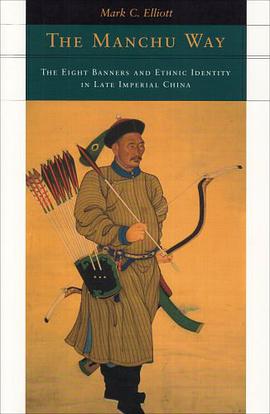
The Manchu Way
Douban Goodreads
Mark C. Elliott publishing house: Stanford University Press 2001 - 3
In 1644, the Manchus, a relatively unknown people inhabiting China’s rude northeastern frontier, overthrew the Ming, Asia’s mightiest rulers, and established the Qing dynasty, which endured to 1912. From this event arises one of Chinese history’s great conundrums: How did a barely literate alien people manage to remain in power for nearly 300 years over a highly cultured population that was vastly superior in number? This problem has fascinated scholars for almost a century, but until now no one has approached the question from the Manchu point of view. This book, the first in any language to be based mainly on Manchu documents, supplies a radically new perspective on the formative period of the modern Chinese nation. Drawing on recent critical notions of ethnicity, the author explores the evolution of the “Eight Banners,” a unique Manchu system of social and military organization that was instrumental in the conquest of the Ming. The author argues that as rulers of China the Manchu conquerors had to behave like Confucian monarchs, but that as a non-Han minority they faced other, more complex considerations as well. Their power derived not only from the acceptance of orthodox Chinese notions of legitimacy, but also, the author suggests, from Manchu “ethnic sovereignty,” which depended on the sustained coherence of the conquerors. When, in the early 1700s, this coherence was threatened by rapid acculturation and the prospective loss of Manchu distinctiveness, the Qing court, always insecure, desperately urged its minions to uphold the traditions of an idealized “Manchu Way.” However, the author shows that it was not this appeal but rather the articulation of a broader identity grounded in the realities of Eight Banner life that succeeded in preserving Manchu ethnicity, and the Qing dynasty along with it, into the twentieth century.
Read
Dec. 1, 2013
Dec. 1, 2013 Review 書評 - a review of The Manchu Way
The Mongol Conquests in World History
Douban Goodreads
Timothy May publishing house: Reaktion Books 2012 - 5
The Mongol Empire can be seen as marking the beginning of the modern age, and of globalization as well. While communications between the extremes of Eurasia existed prior to the Mongols, they were infrequent and often through intermediaries. As this new book by Timothy May shows, the rise of the Mongol Empire changed everything—through their conquests the Mongols swept away dozens of empires and kingdoms and replaced them with the largest contiguous empire in history. While the Mongols were an extremely destructive force in the premodern world, the Mongol Empire had stabilizing effects on the social, cultural and economic life of the inhabitants of the vast territory, allowing merchants and missionaries to transverse Eurasia. The Mongol Conquests in World History examines the many ways in which the conquests were a catalyst for change, including changes and advancements in warfare, food, culture, and scientific knowledge. Even as Mongol power declined, the memory of the Empire fired the collective imagination of the region into far-reaching endeavors, such as the desire for luxury goods and spices that launched Columbus’s voyage and the innovations in art that were manifested in the masterpieces of the Renaissance. This fascinating book offers comprehensive coverage of the entire empire, rather than a more regional approach, and provides an extensive survey of the legacy of the Mongol Empire.
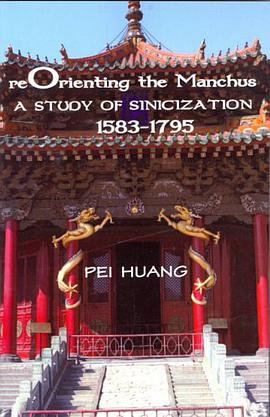
Reorienting the Manchus
Douban
Pei Huang publishing house: Cornell University East Asia Program 2011 - 1
Making extensive use of Chinese, Japanese, Manchu, and Western sources, the author adopts a historical multifaceted approach to explore the various forces geography, economics, frontier contacts, political and social institutions; language, literature and art; religion and Confucianism that made possible the Manchu adoption of Chinese ways of life.